[Dec 18, 2025]
In complex aortic repair, even small refinements in patient positioning can make a measurable difference to both imaging quality and operator safety. Recent studies highlight how overhead arm positioning during fenestrated and branched endovascular aneurysm repair (F/BEVAR) can significantly reduce radiation exposure by up to 30% while improving visualisation of the visceral vessels.
Prolonged imaging due to extensive fluoroscopic imaging of the thoracoabdominal aorta and visceral arteries can expose both patients and interventional teams to high cumulative radiation doses. Reducing this exposure without compromising image quality is a key clinical goal.
Clinical studies by Marcondes & Tenorio (2021) and Pujari et al. (2023) provide strong evidence supporting the overhead arm position:
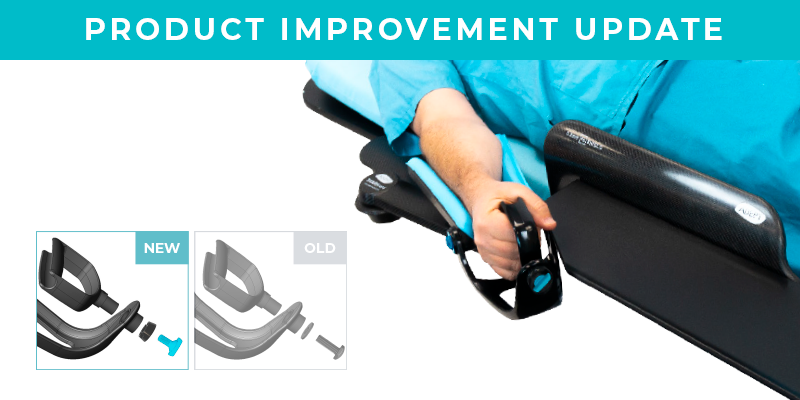
To help standardise this technique, Adept Medical developed the Overhead Arm Support MR Safe, a radiolucent arm support, designed for consistent, reproducible setup across vascular, radiology, and hybrid operating suites.
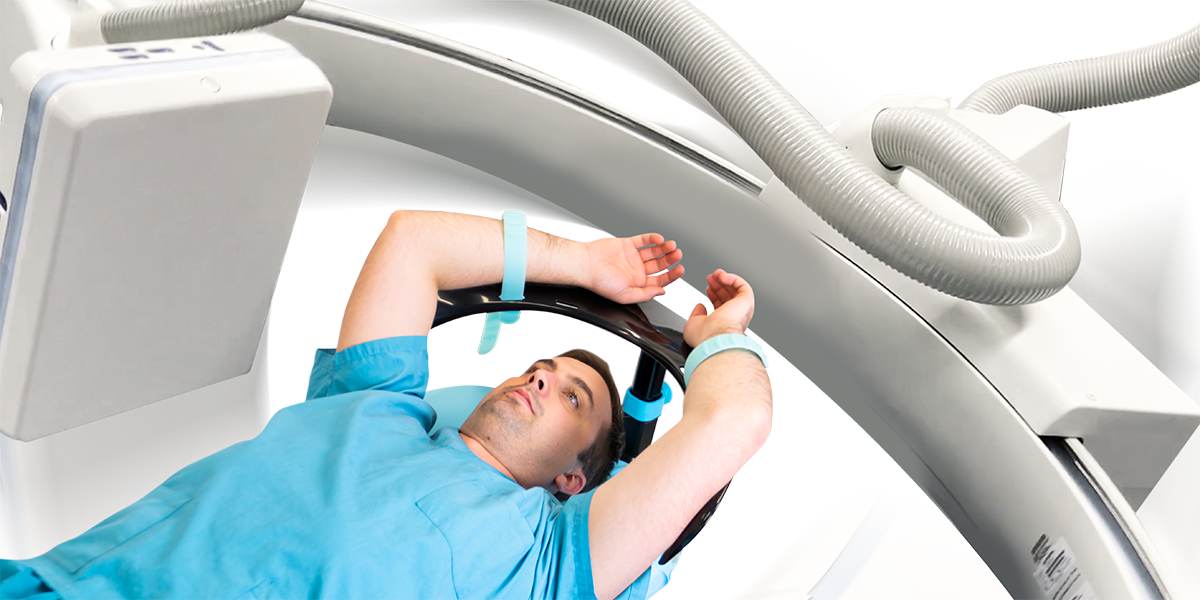
As natural extension of this device, Adept Medical has also introduced the Overhead Arm Support MR Safe – Small, designed for paediatric and small adult patients (12–40 kg). With the same ergonomic stability as the standard model, its smaller wing design allows compatibility with CT/MRI bores≥600 mm, expanding access to comfortable reproducible positioning for all patient sizes.
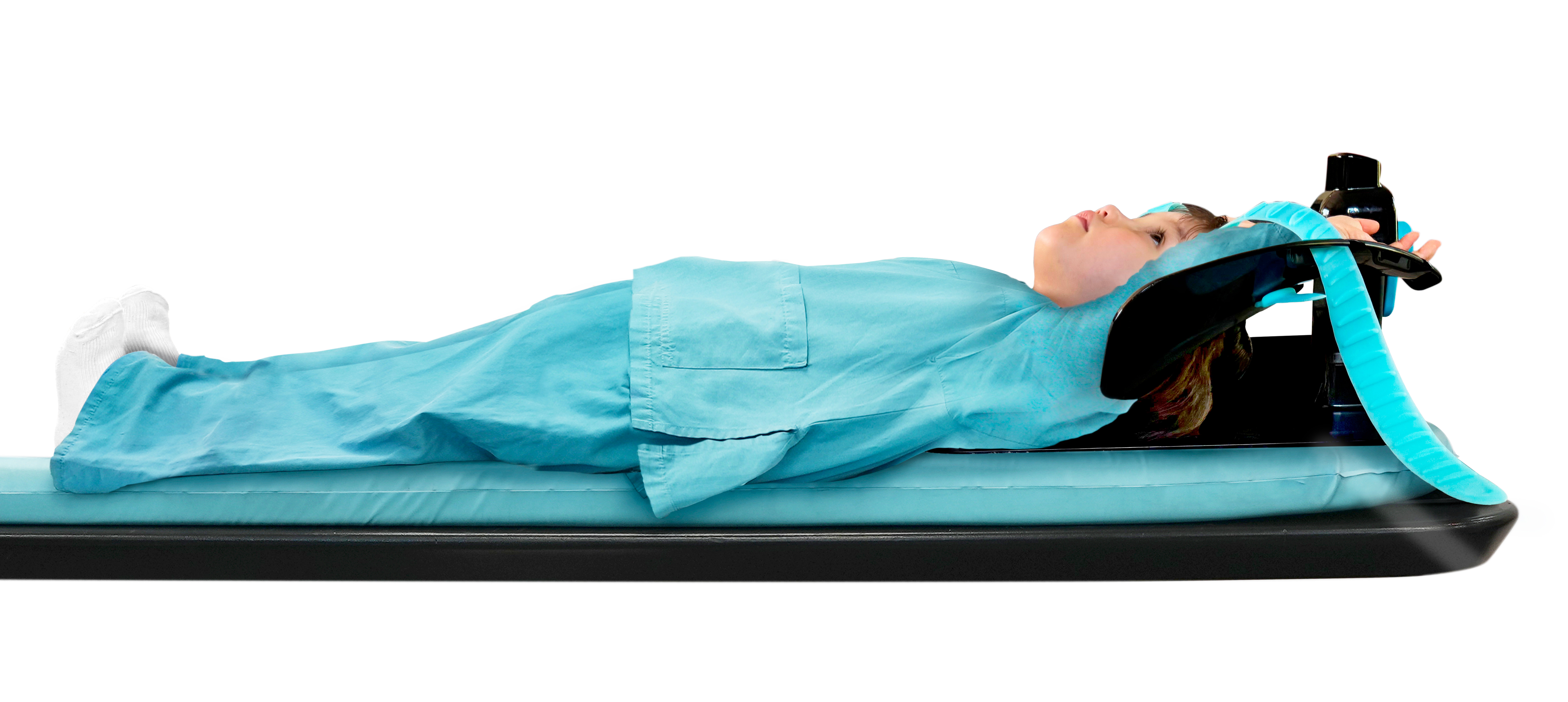
The Adept Medical Overhead Arm Support range enables clinicians to apply the proven technique of placing the arms in the overhead position for reduced radiation with stability, comfort, and confidence, supporting more efficient procedures for both patients and operators.
Learn more about our Overhead Arm Support and other interventional positioning solutions designed to improve outcomes in complex endovascular procedures.
---
Marcondes GB, Tenorio ER. Evaluation of safety of overhead upper extremity positioning during fenestrated–branched endovascular repair of thoracoabdominal aortic aneurysms. Cardiovasc Intervent Radiol. 2021;44(12):1895–1902.
Pujari A, Ahmad M, Sweet MP, Zettervall SL. Overhead arm support reduces radiation exposure during complex endovascular aortic repair. J Vasc Surg. 2023;78(2):2261–2270.
Tenorio, E. R. (Year). Patient with adequate shoulder mobility under overhead upper extremity... [Image]. Scientific Diagram. Retrieved from https://www.researchgate.net/figure/Patient-with-adequate-shoulder-mobility-under-overhead-upper-extremity-positioning-A_fig1_355692186.