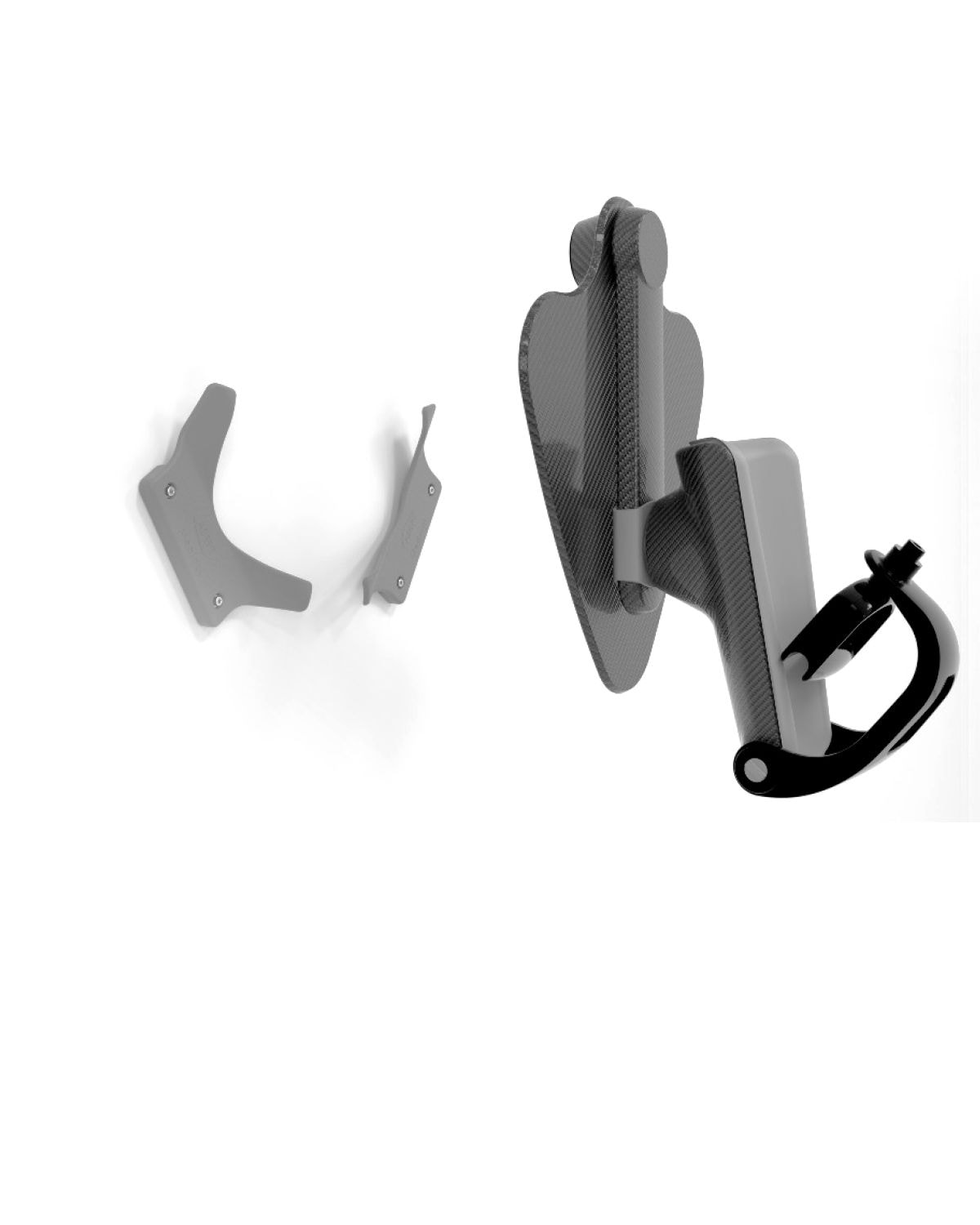
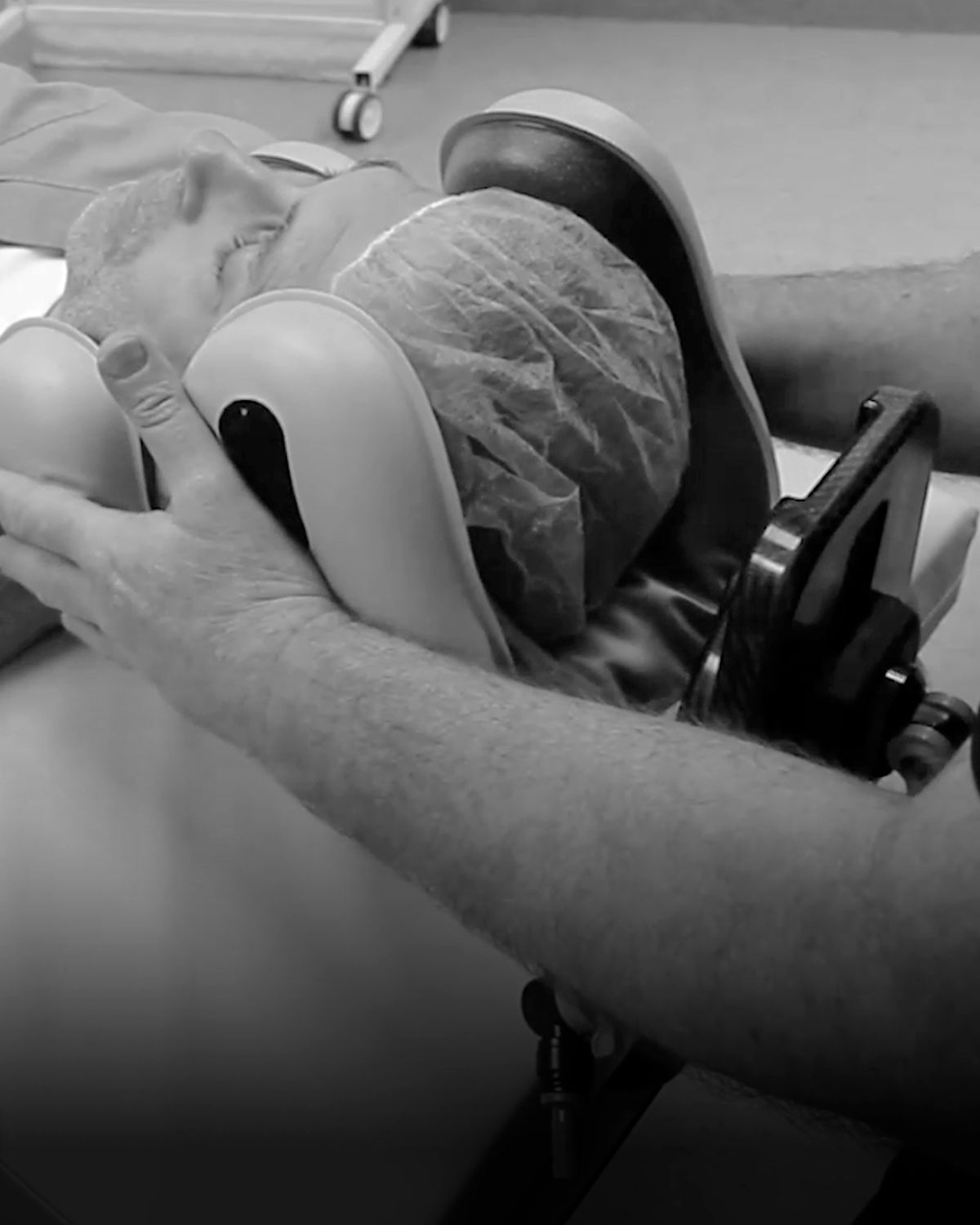
Overhead Arm Support Solution for Patient Arm Positioning
[Feb 18, 2026]
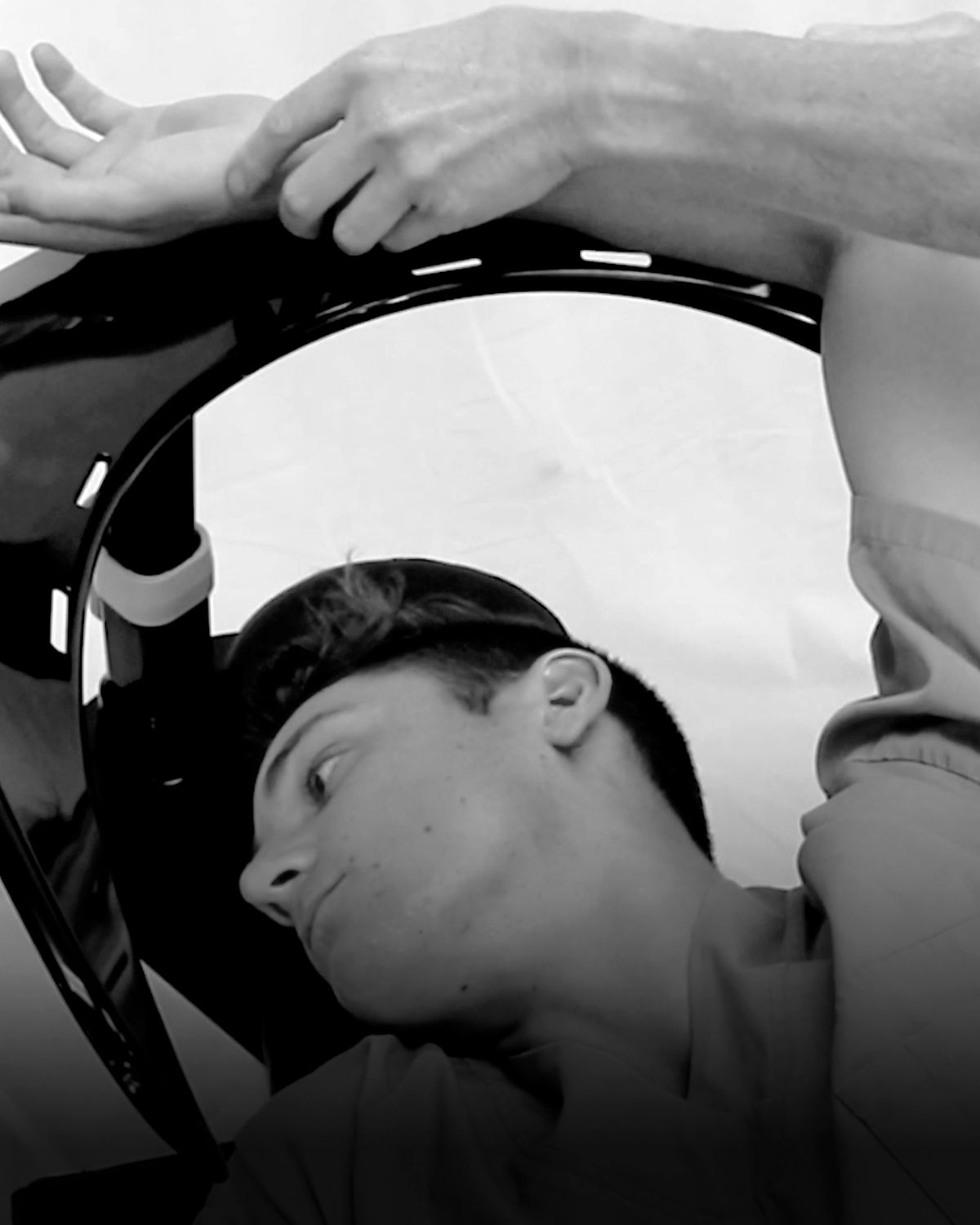
In Interventional Radiology and Cardiology, patient positioning can make a significant difference to image quality, radiation exposure, and patient safety. The Overhead Arm Support MR Safe (OHAS) addresses these continued challenges through arm positioning during imaging and minimally invasive procedures.
From Clinician Request to an Adept Solution
In 2017, Adept Medical’s design team attended Society of Interventional Radiology (SIR) meetings in the United States. After noting that Adept Medical had developed the STARBoard, doctors and nursing teams expressed the need for a dedicated solution for patient positioning within the interventional space that could:
- Safely lift one or two arms from an adducted position
- Avoid extreme shoulder flexion
- Accommodate a wide range of patient sizes and shapes
- Integrate with existing labs and imaging systems
- Avoid image artefacts and magnetic hazards
- Be quick, simple, and intuitive to use
At the time, no purpose built device addressed these combined requirements. Adept Medical’s experienced designers collaborated with clinicians for ideas and feedback to build a practical, clinician driven solution that fulfilled these needs.
Behold: The Overhead Arm Support MR-Safe (OHAS)
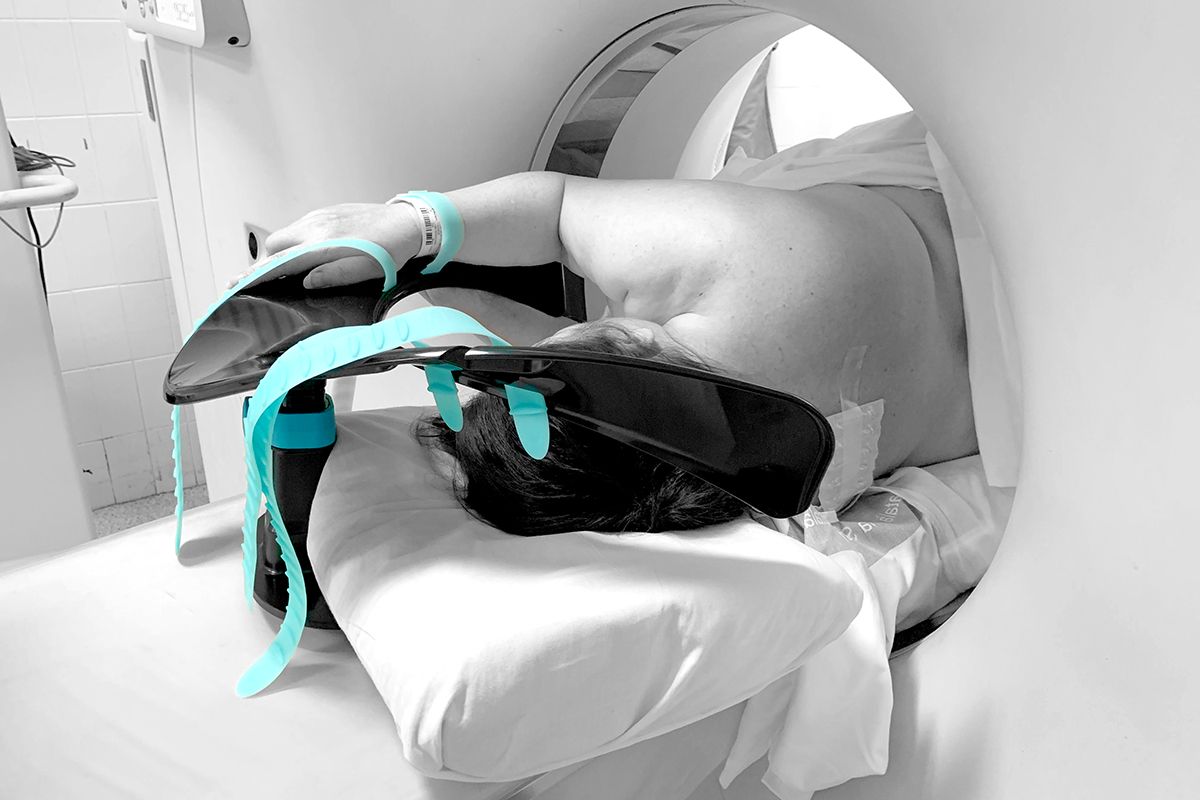
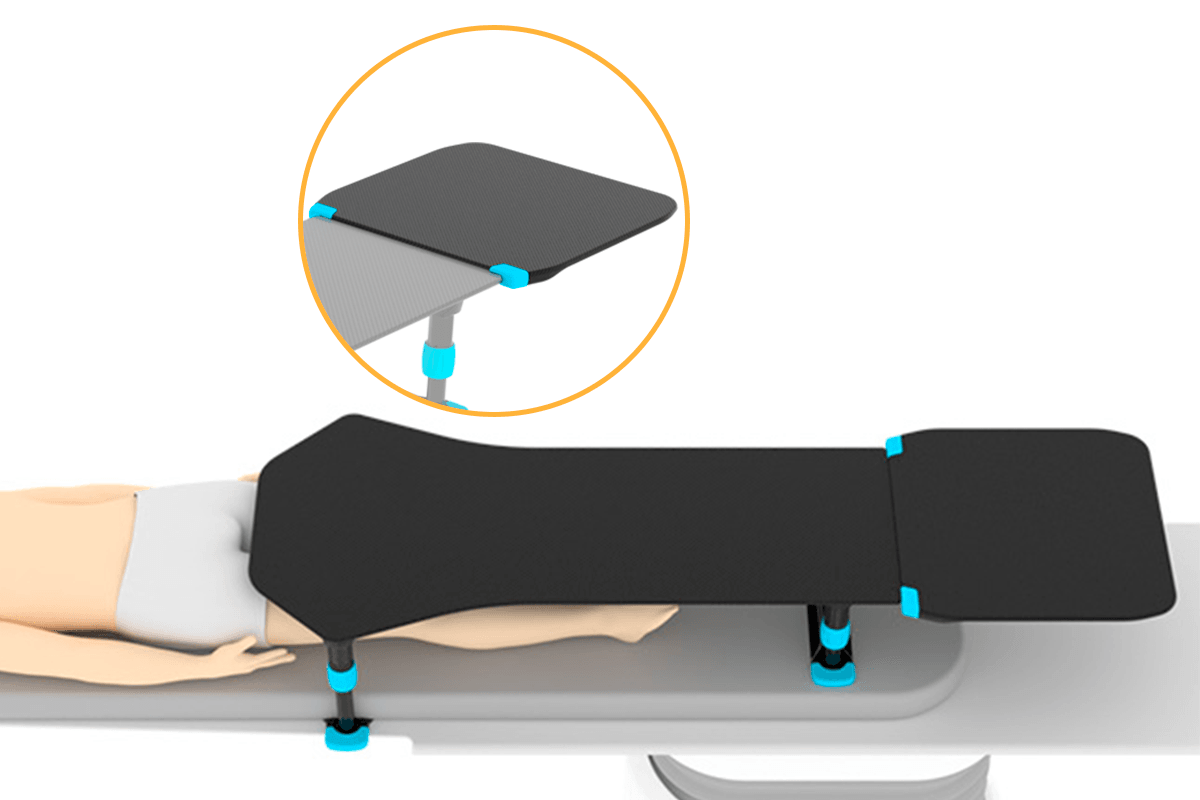
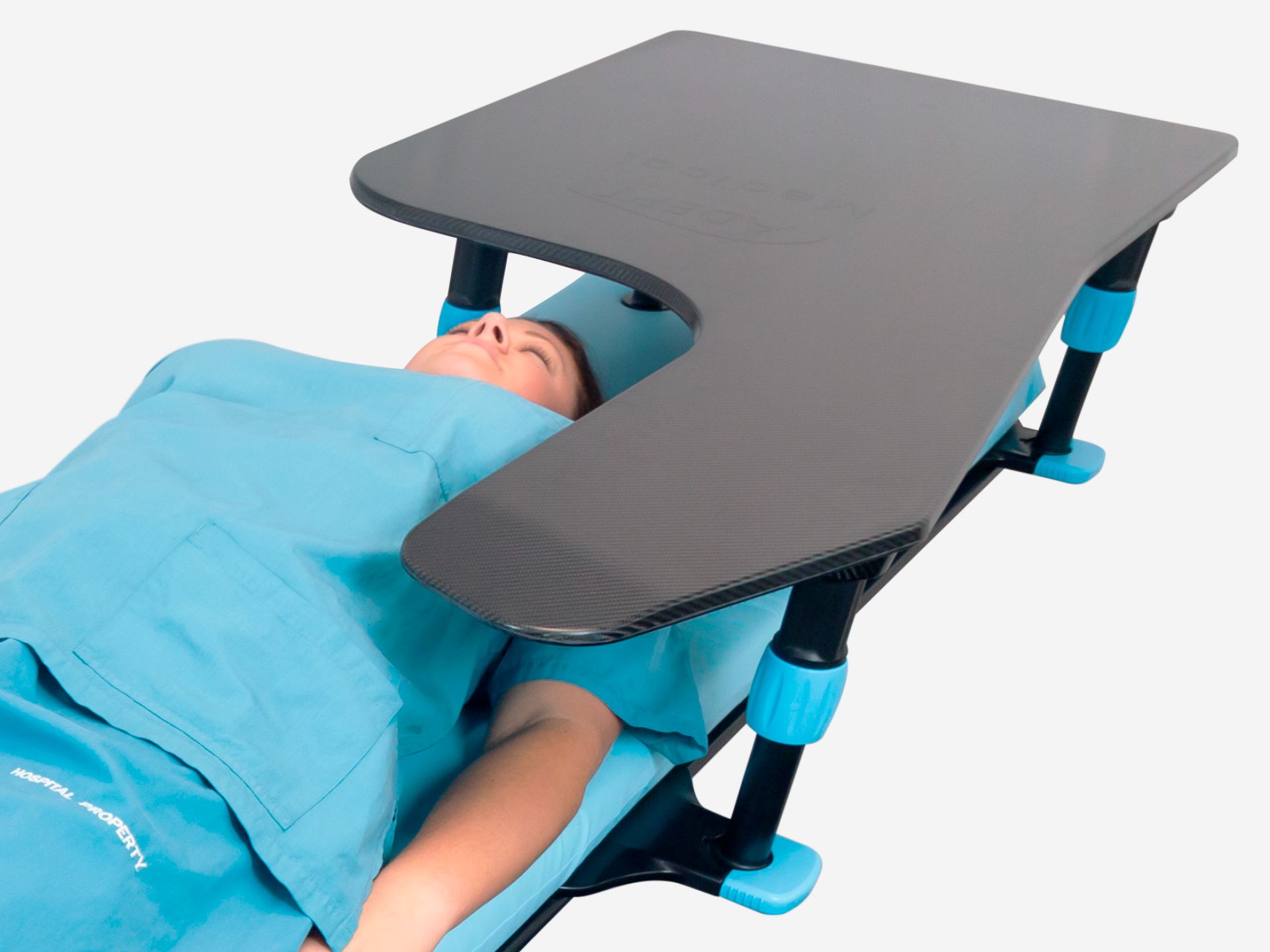
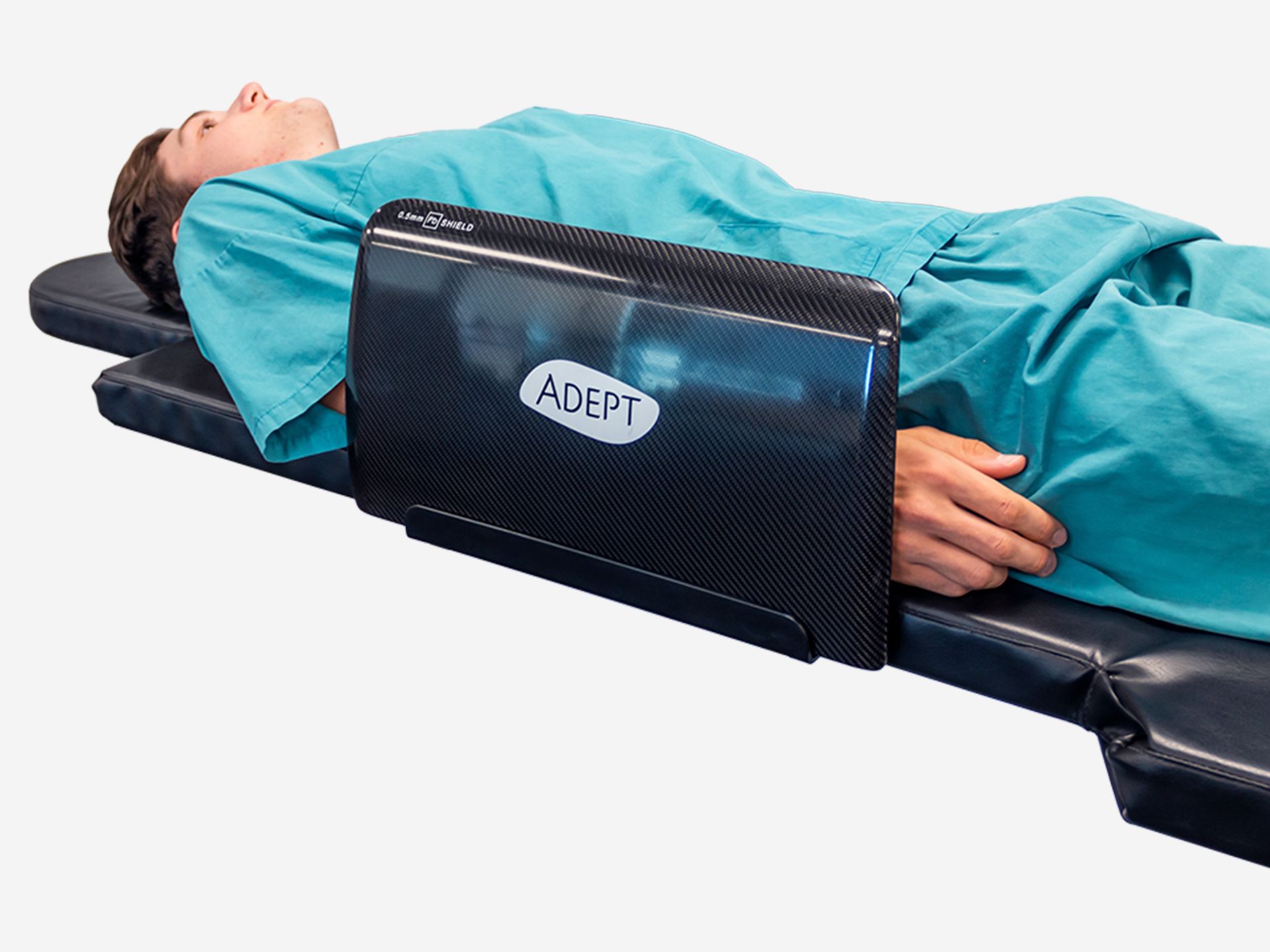
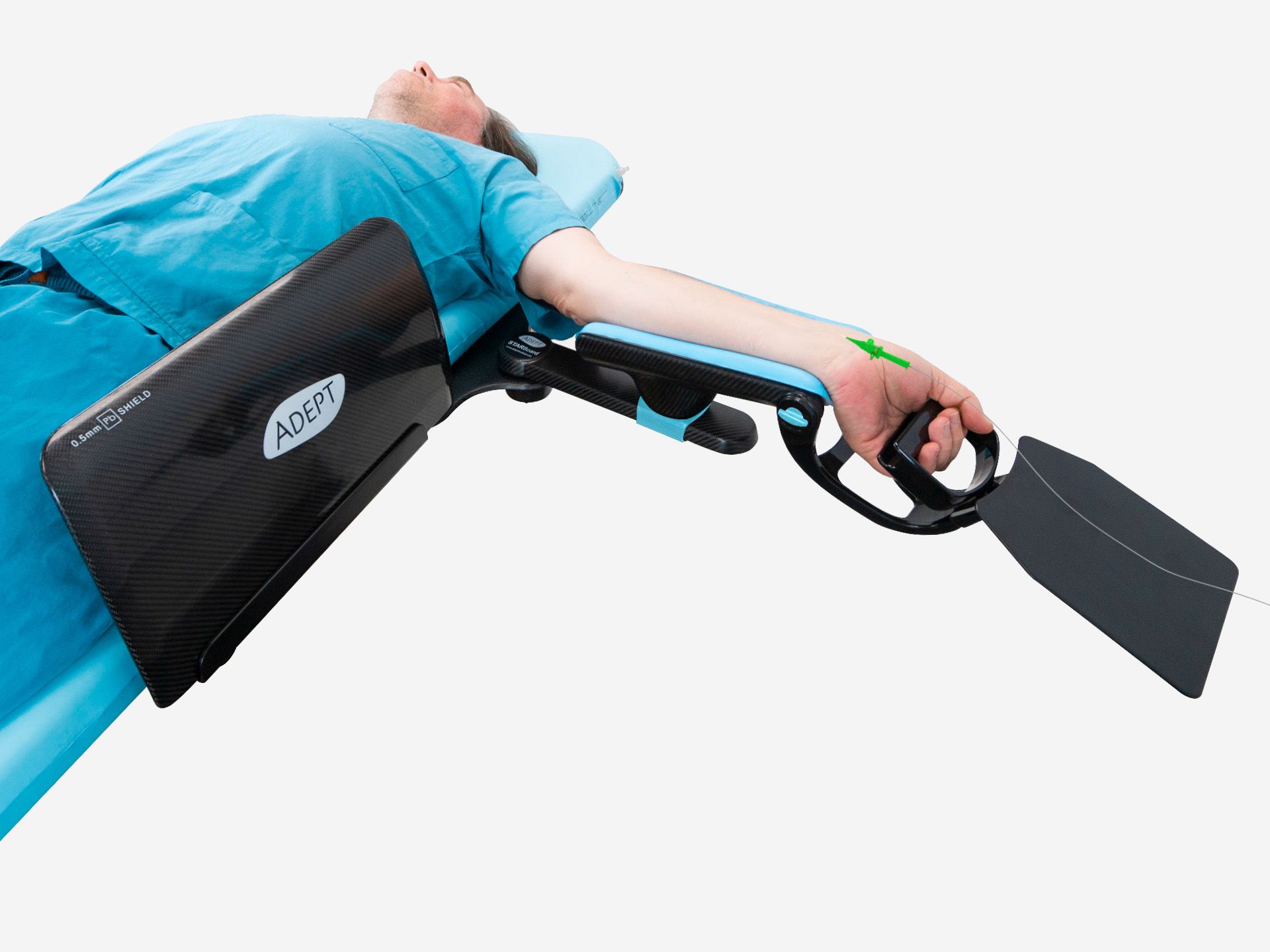
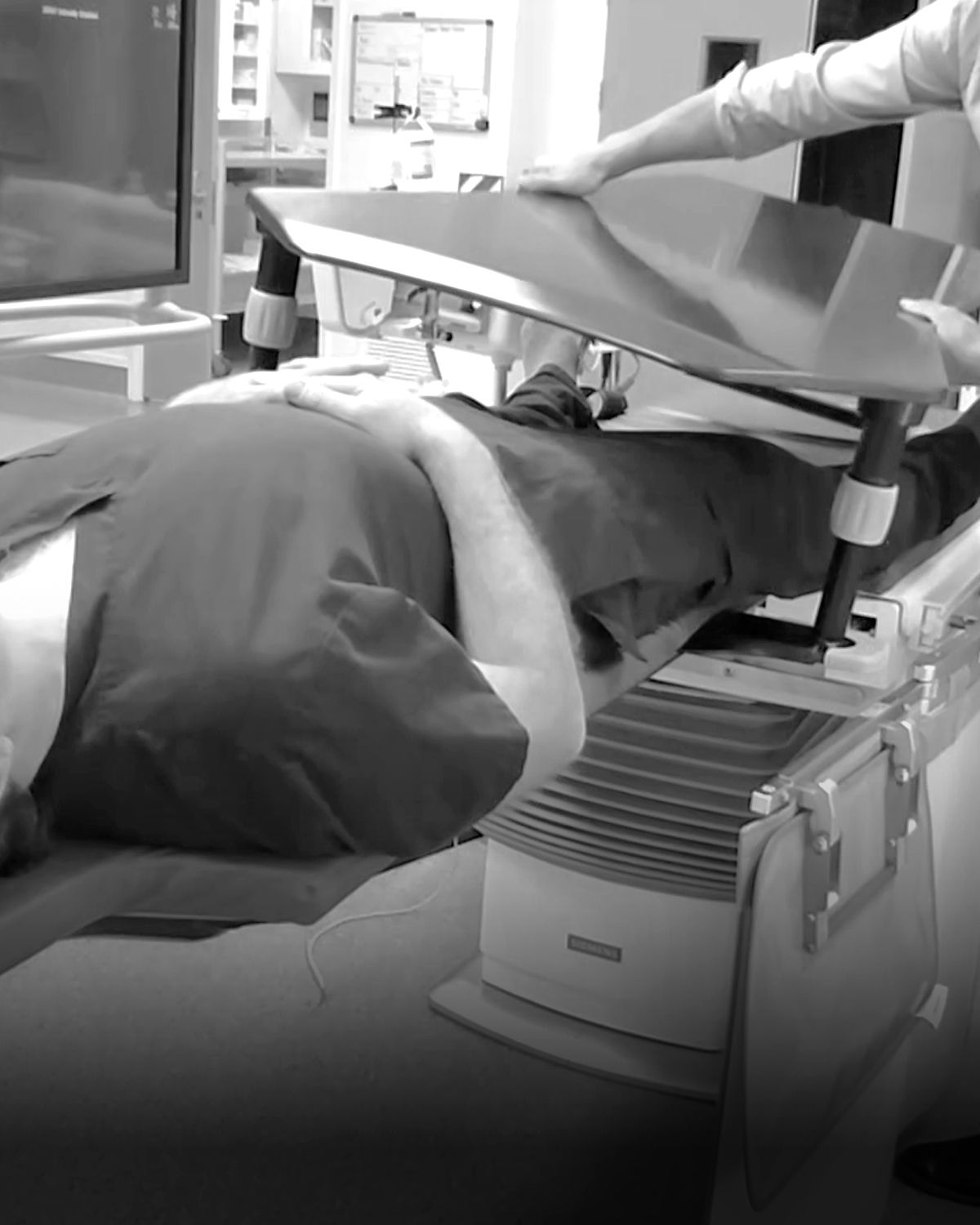
The OHAS is a patient positioning device designed to support and secure one or both arms overhead during C arm, CT, and MRI procedures. It supports numerous interventional procedures, such as:
- Percutaneous Transhepatic Cholangiogram (PTC)
- Cholecystostomy
- Iliac Artery Stenting
- Trans arterial Chemoembolization(TACE)
- Fenestrated and Branched Endovascular Aneurysm Repair (F/BEVAR)
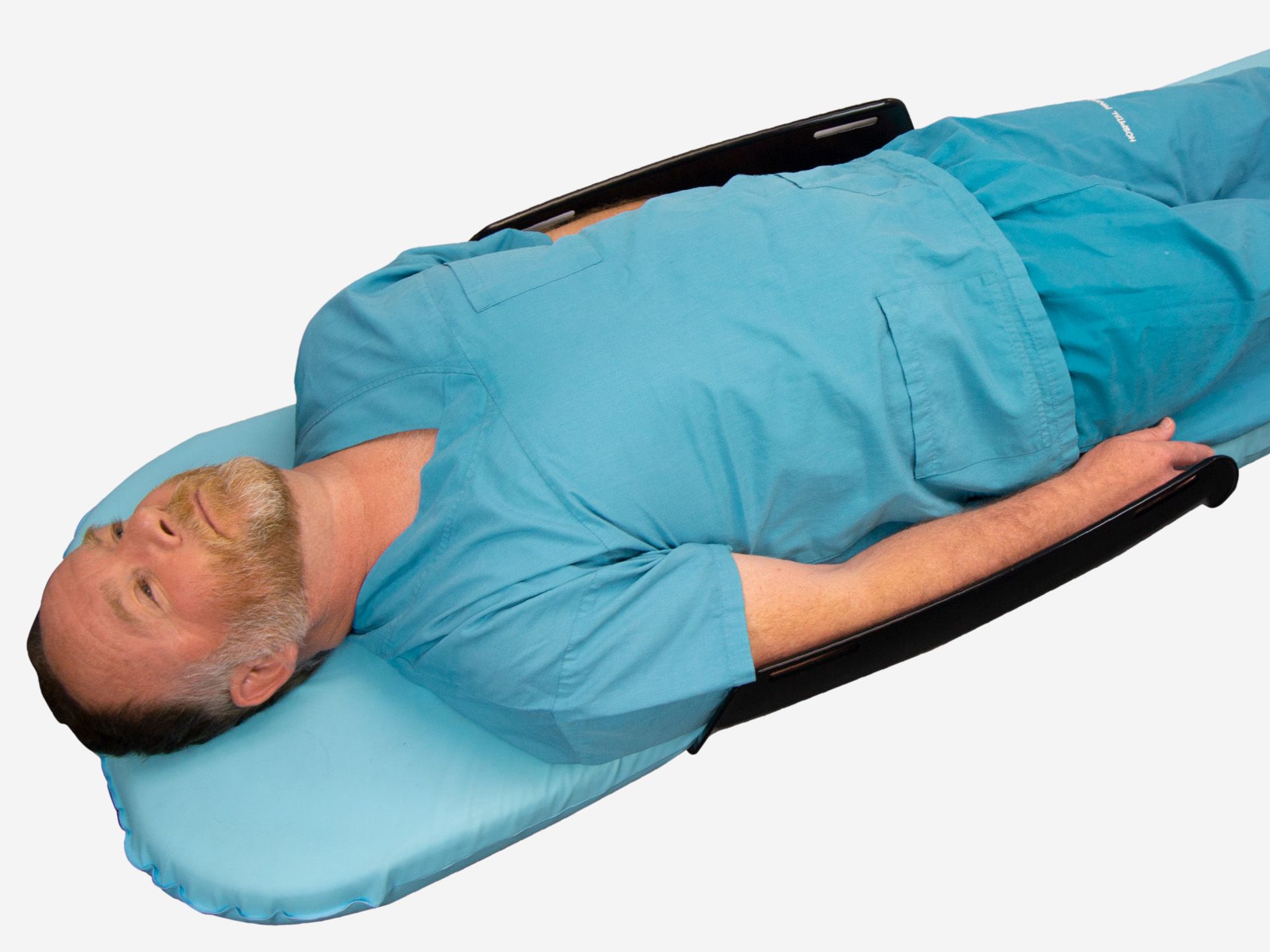
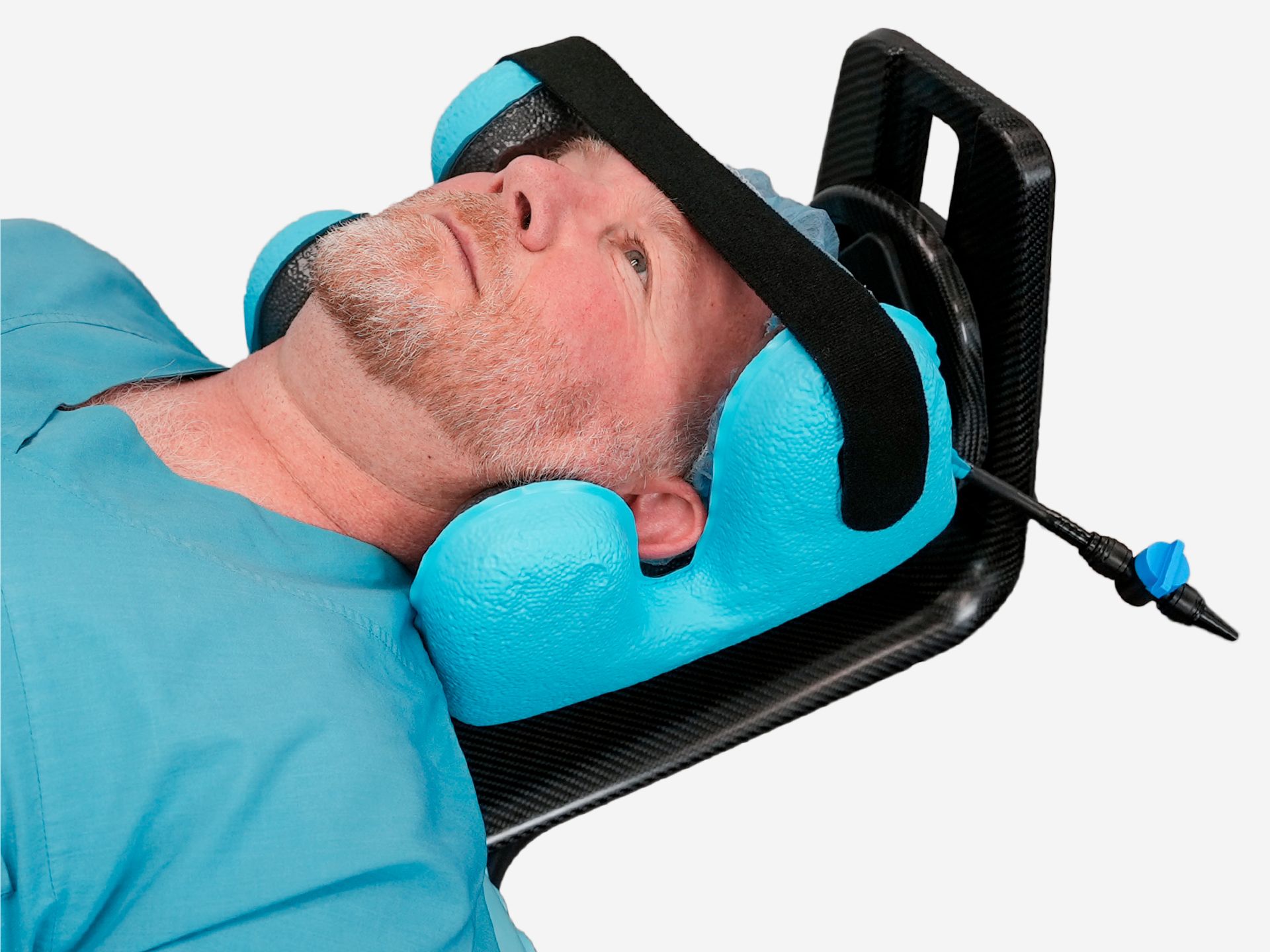
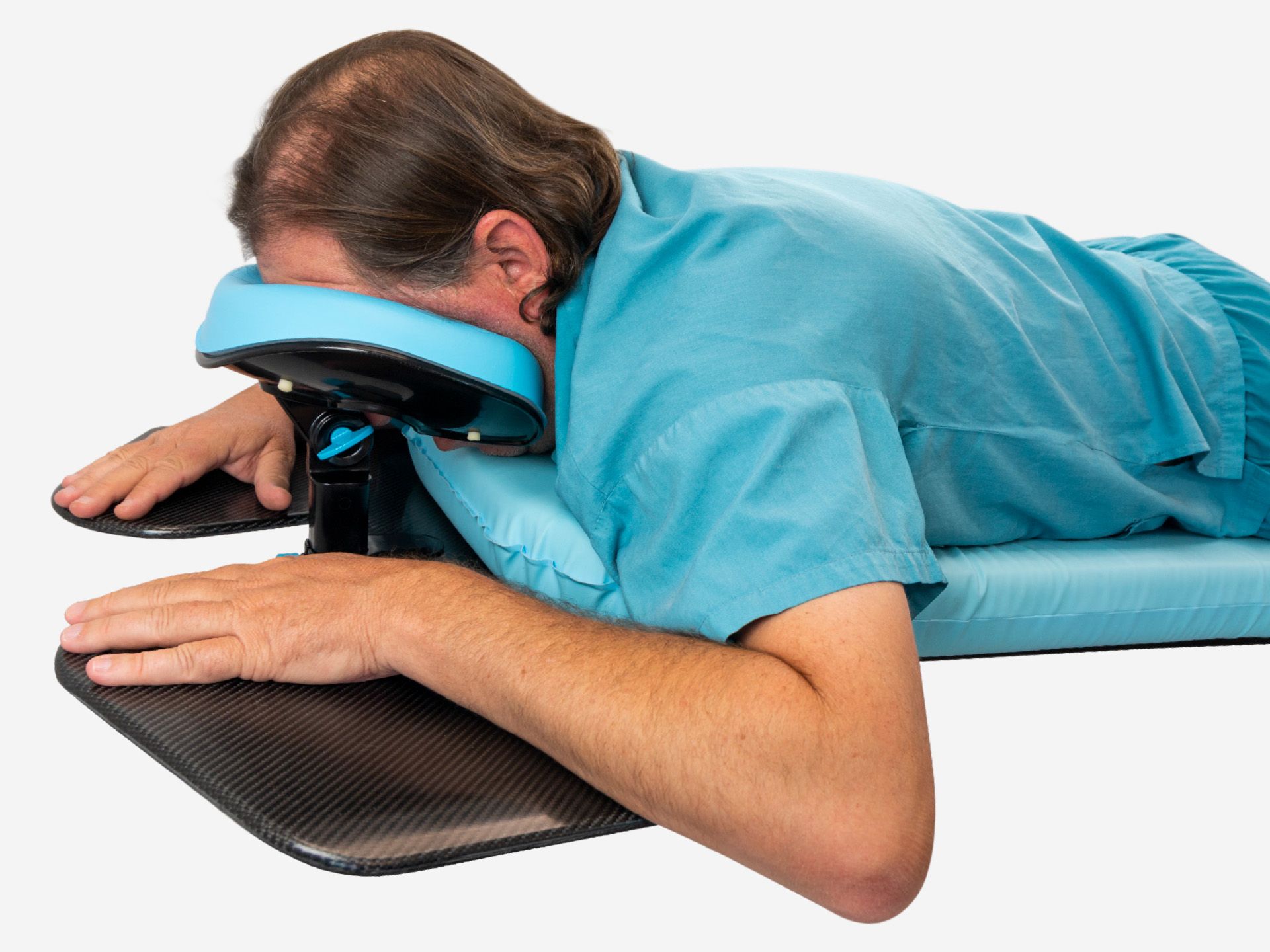
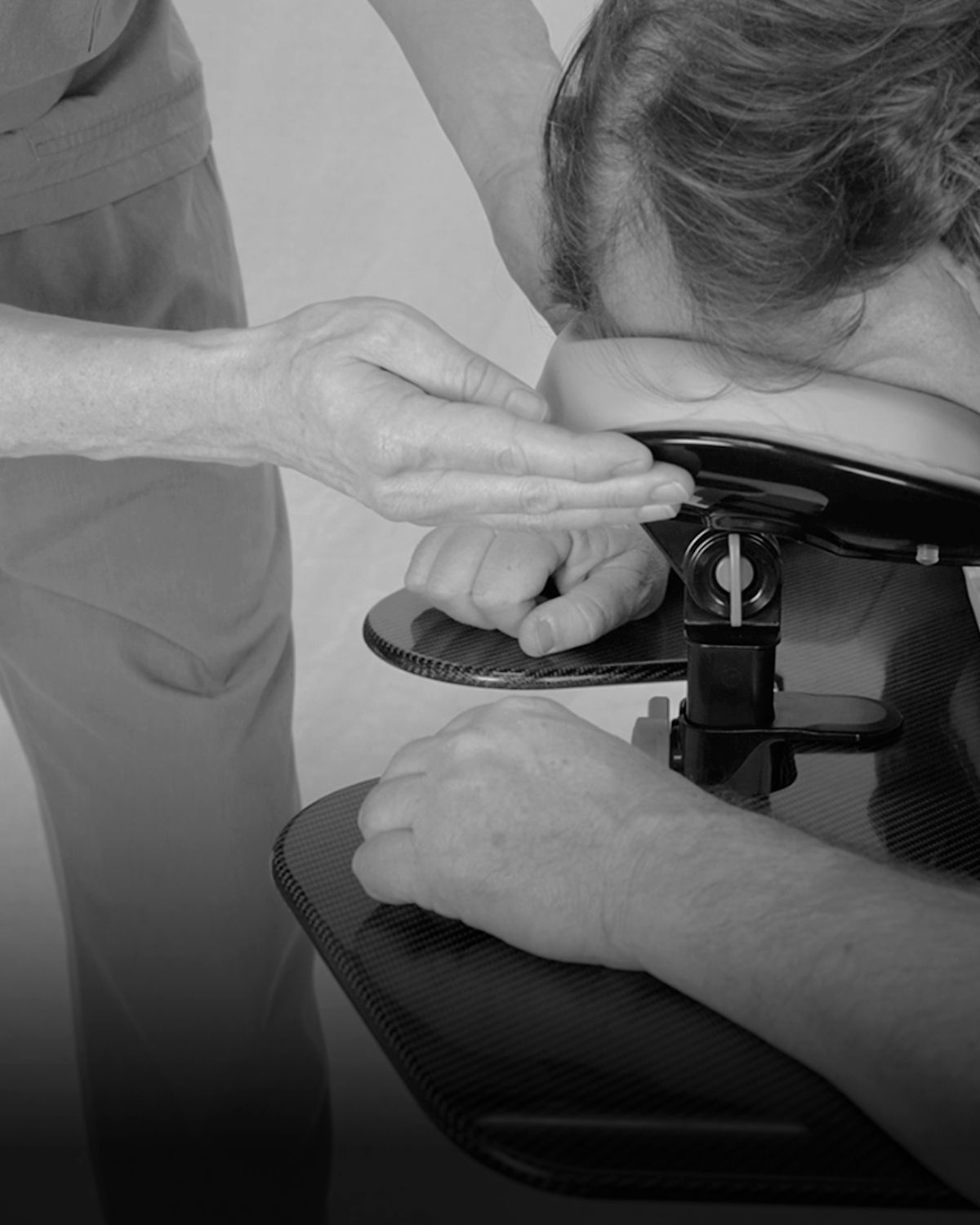
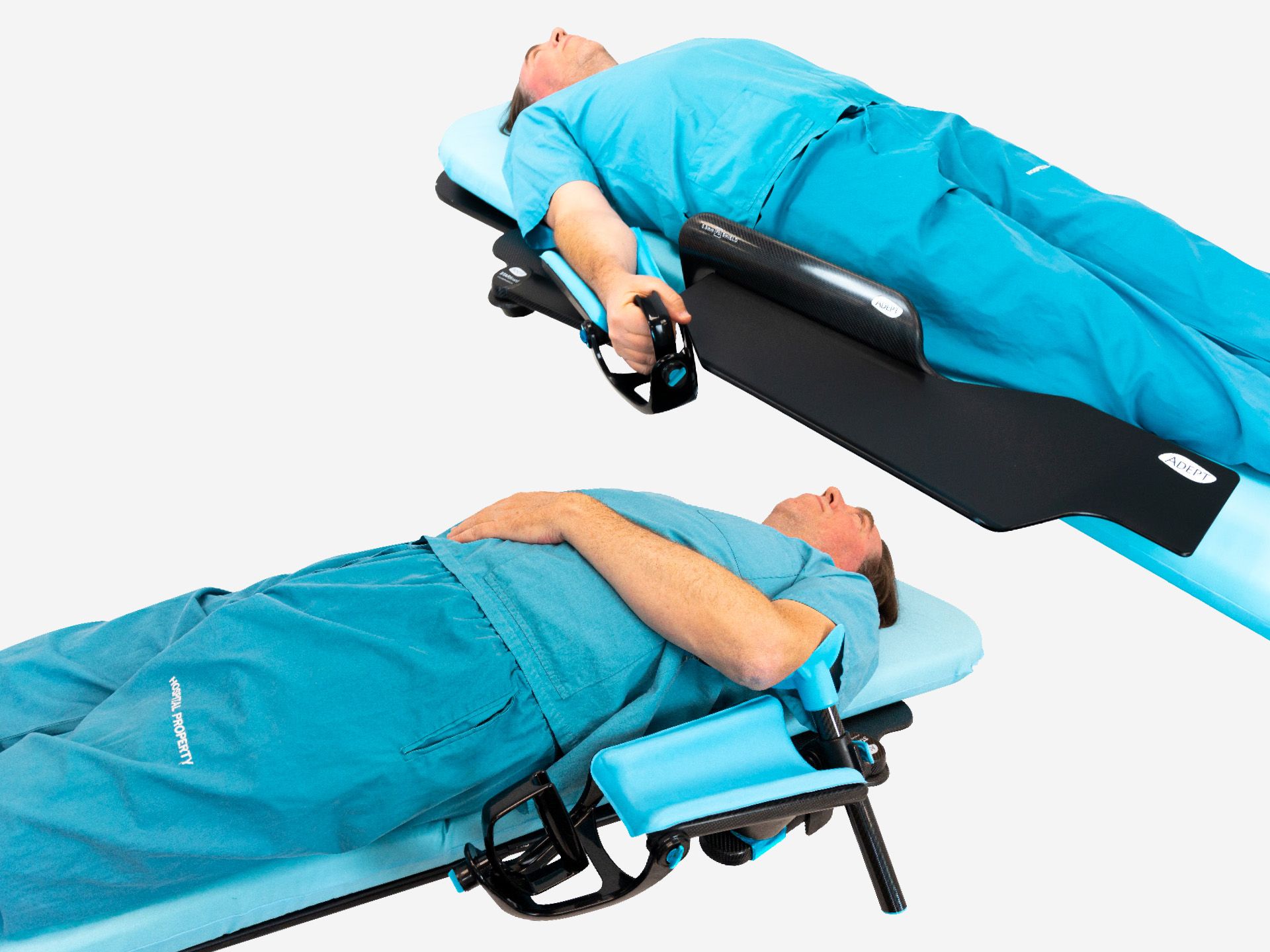
By safely moving the arms away from the torso, the device improves abdominal access and reduces unwanted imaging artefacts. It is made from durable engineered plastics and consists of a base with wings that are designed to hold a patient’s arms without creating extreme shoulder flexion. The materials used in the OHAS are all nonconducting, non-metallic, and nonmagnetic, making it suitable for MR imaging environments.
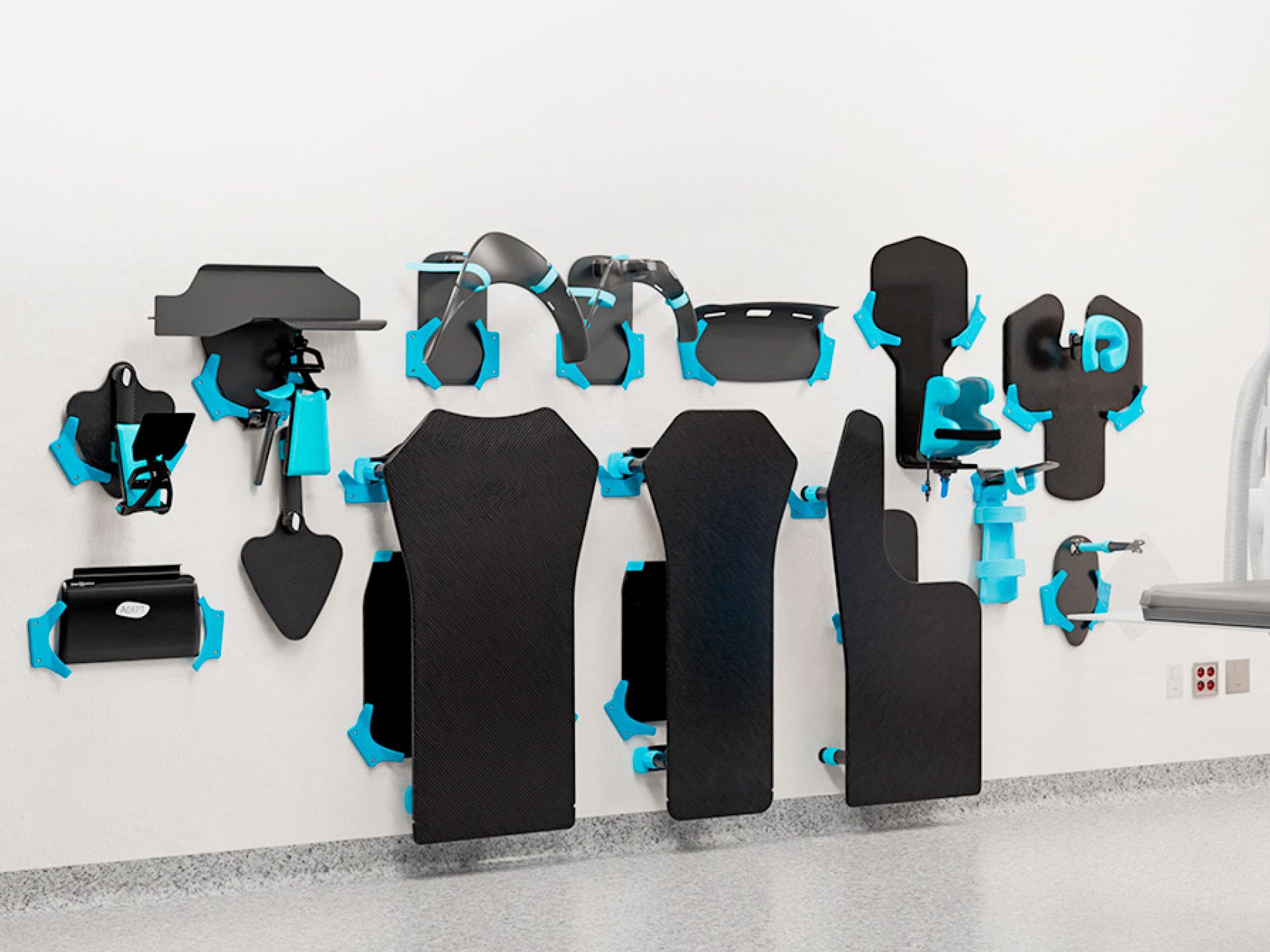
Designed to seamlessly integrate into a lab with existing procedure tables and imaging equipment, the OHAS provides a radiolucent, height-adjustable, easy-to-set-up solution that helps to simplify and support comfortable patient positioning for image-guided procedures.
How Does It Work?
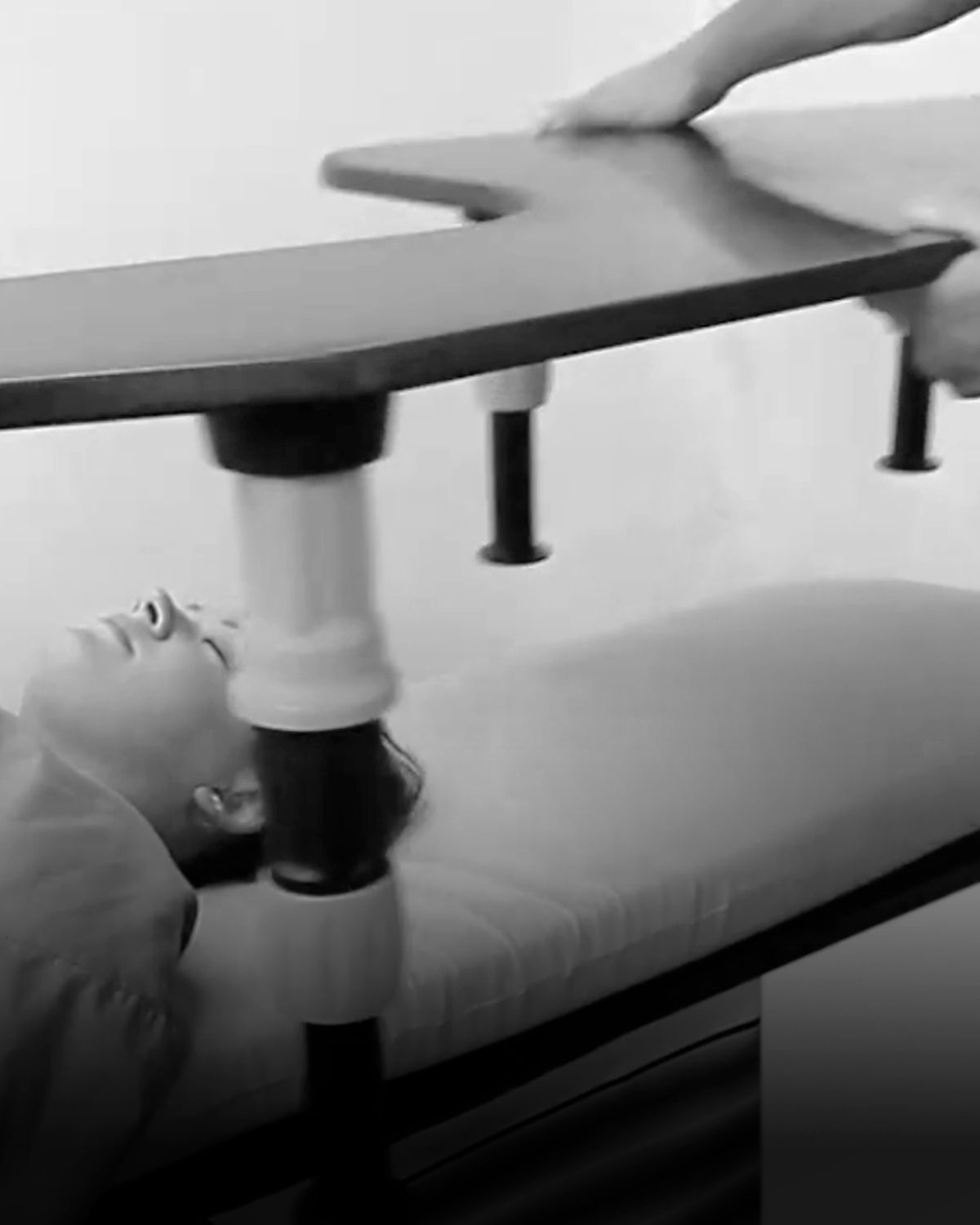
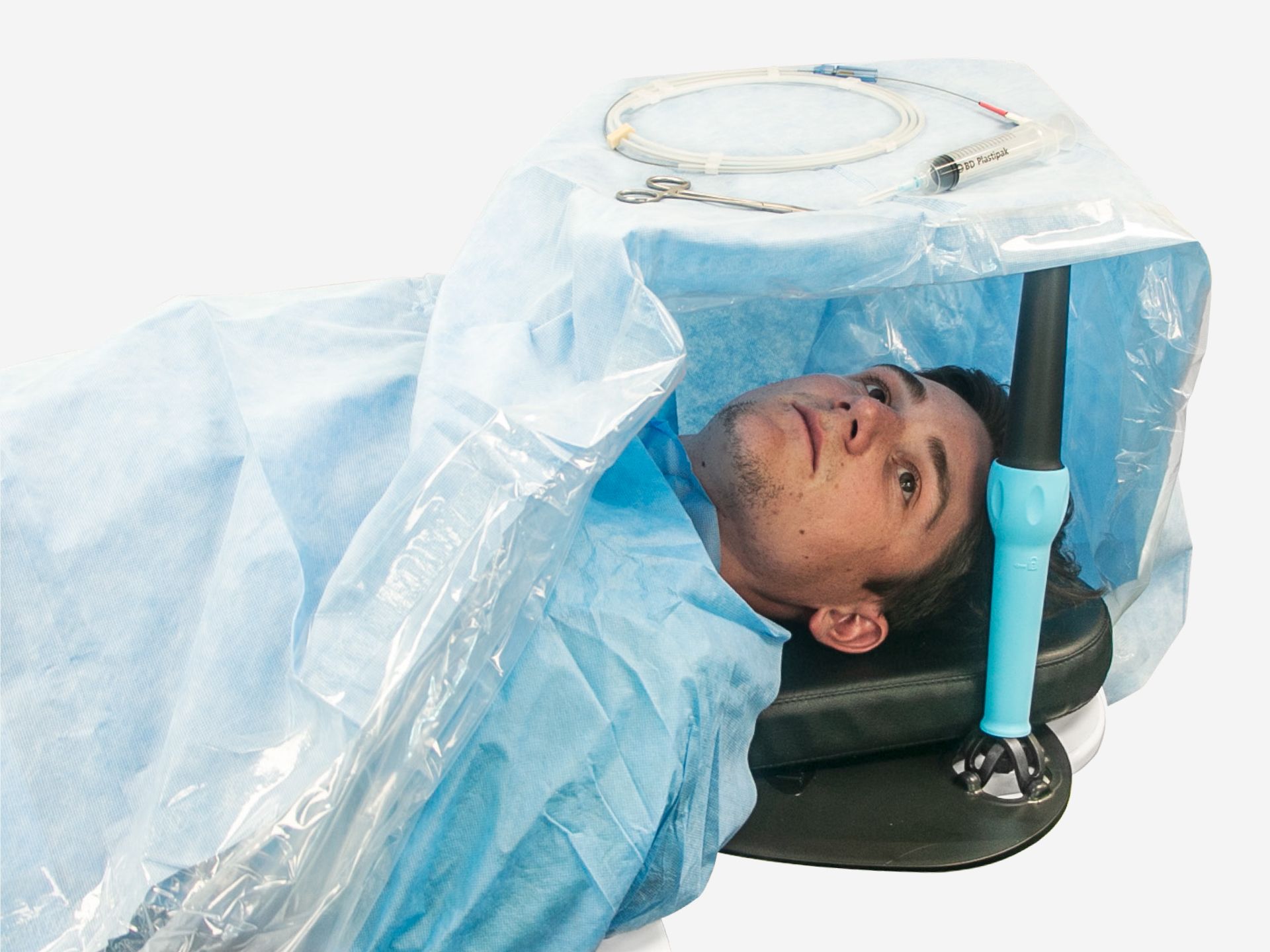
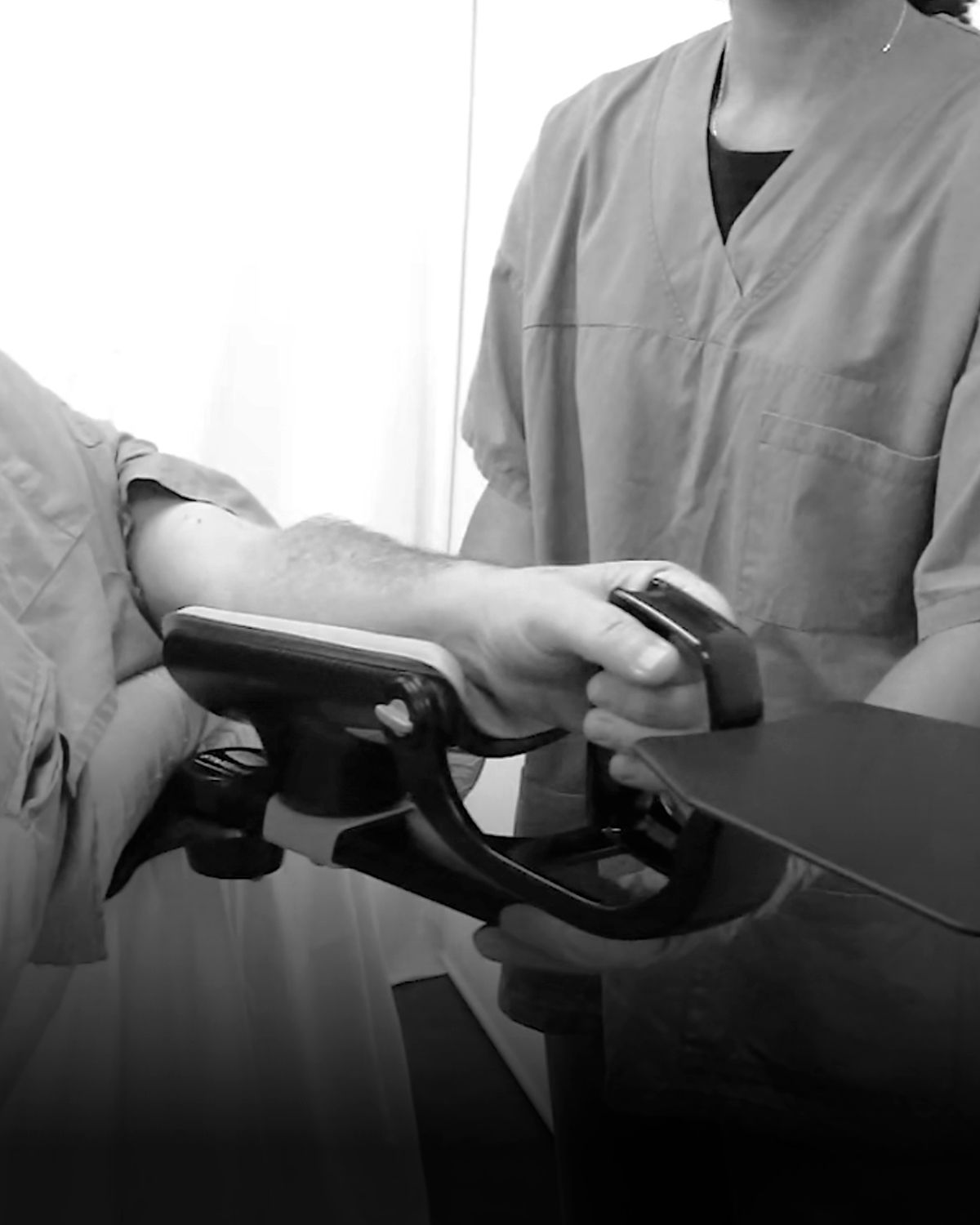
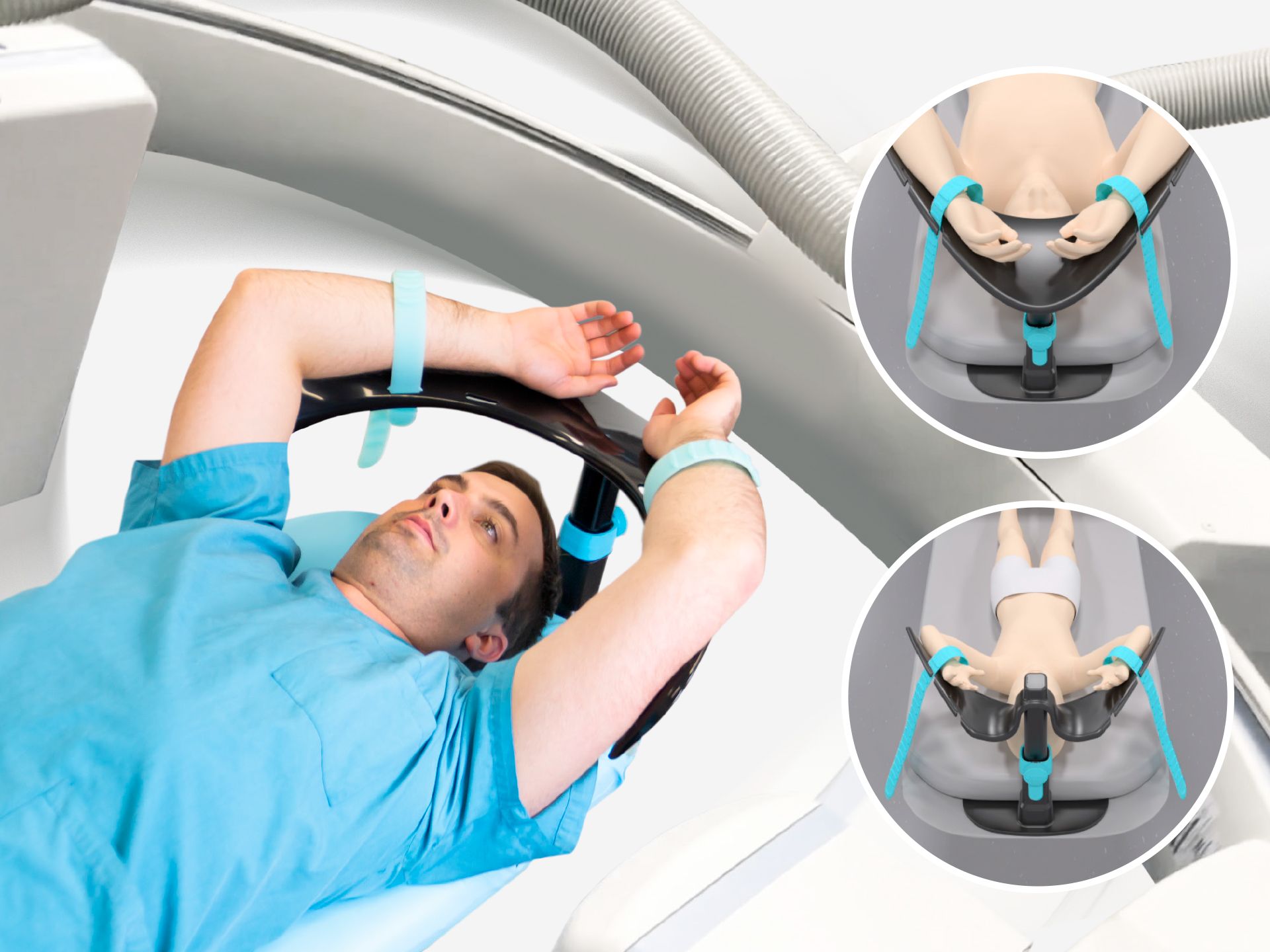
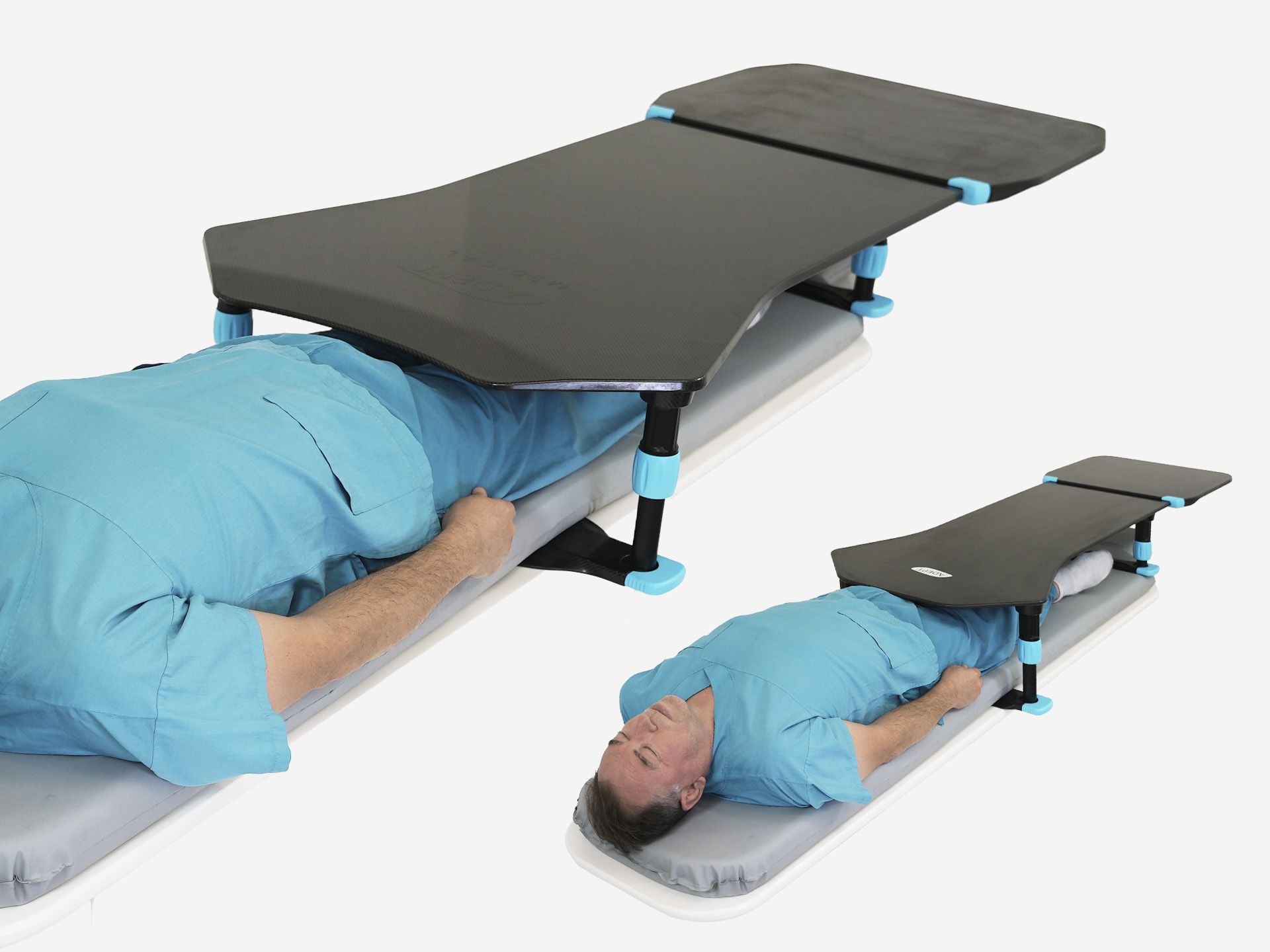
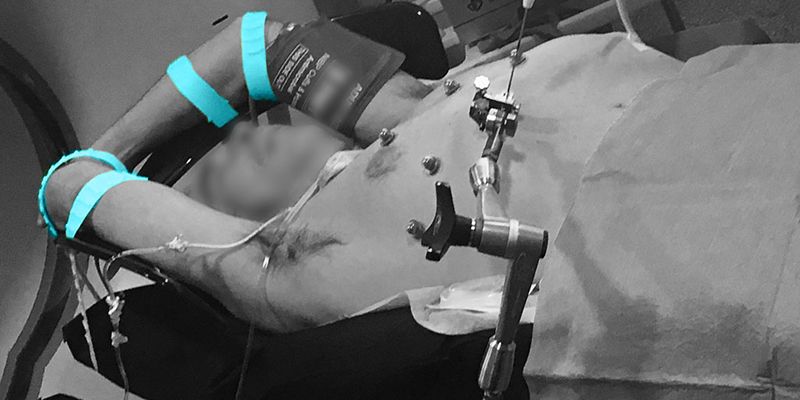
The OHAS allows a patient’s arms to rest comfortably above the head in an abducted, supported position, avoiding extreme shoulder flexion. Its design accommodates a variety of clinical requirements:
- Supports one or both arms in the supine position
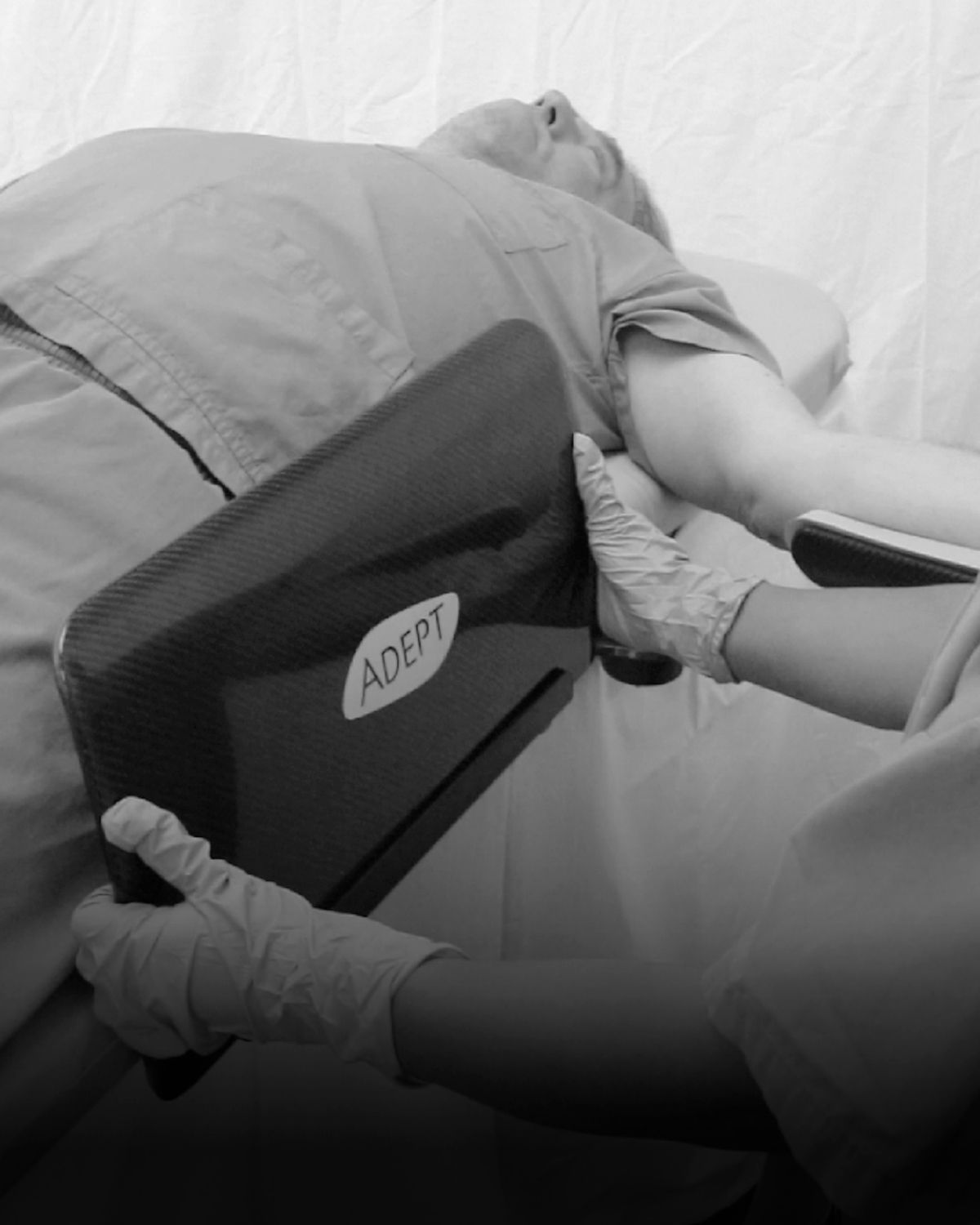
- Can support a single arm in posterior or oblique positions
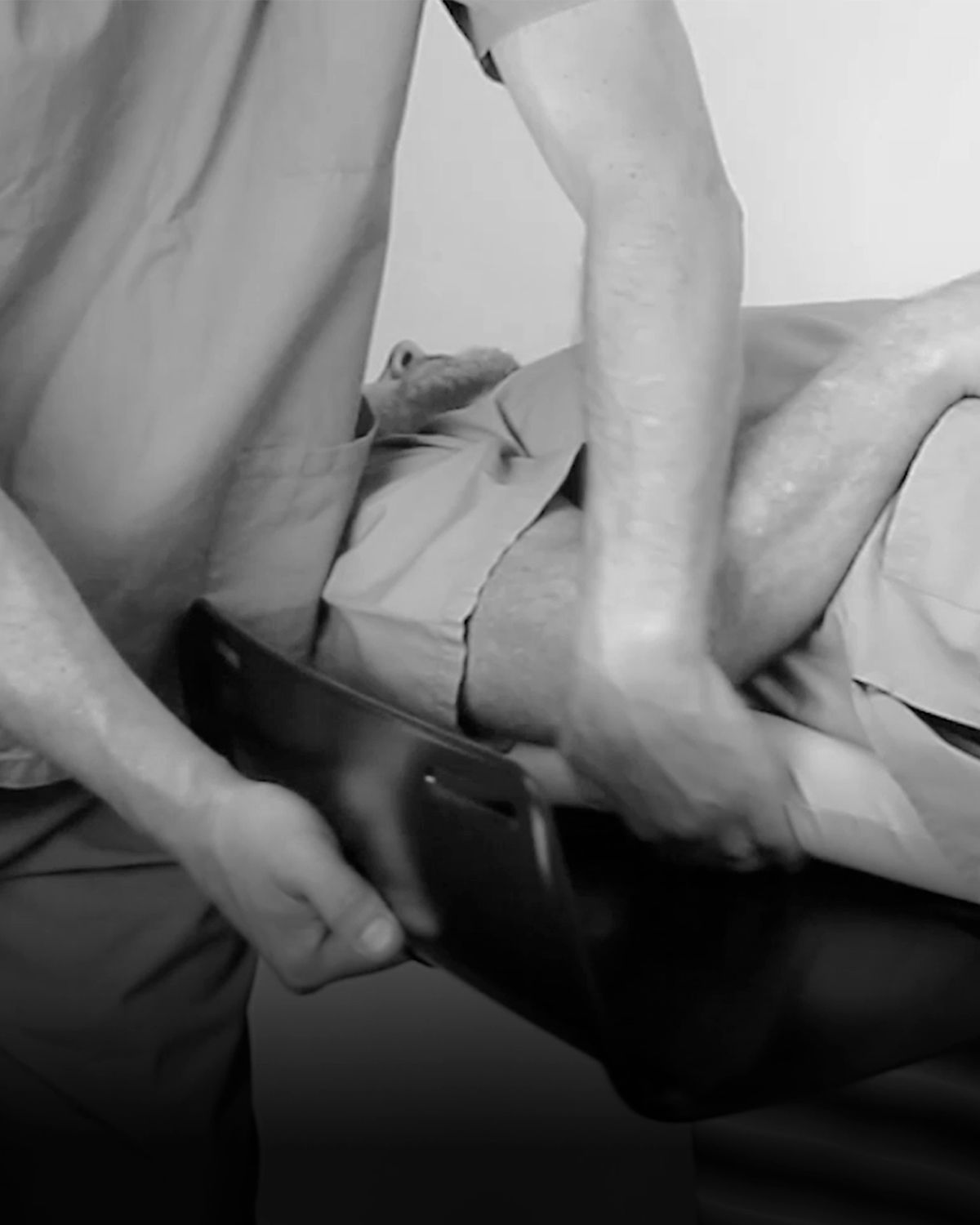
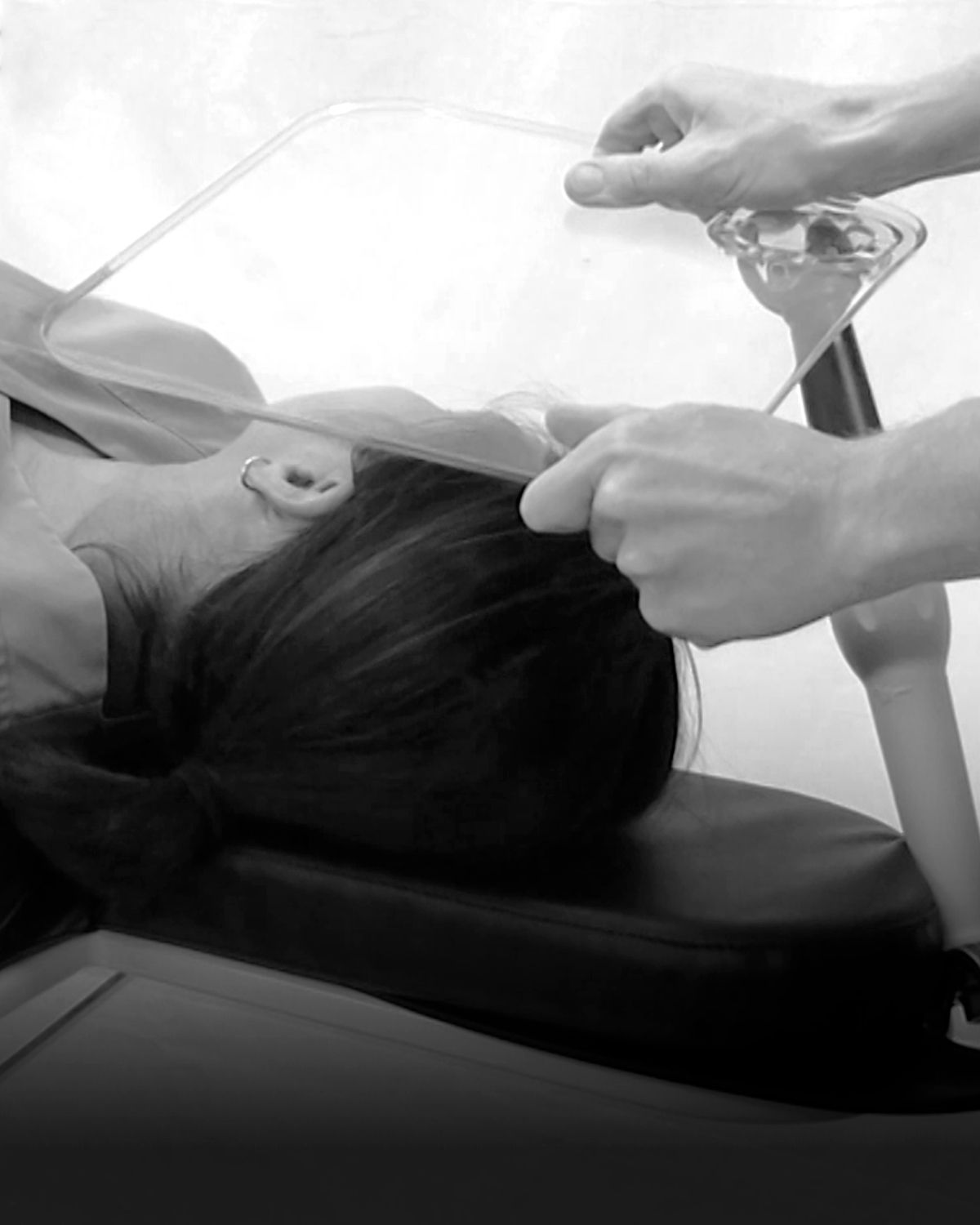
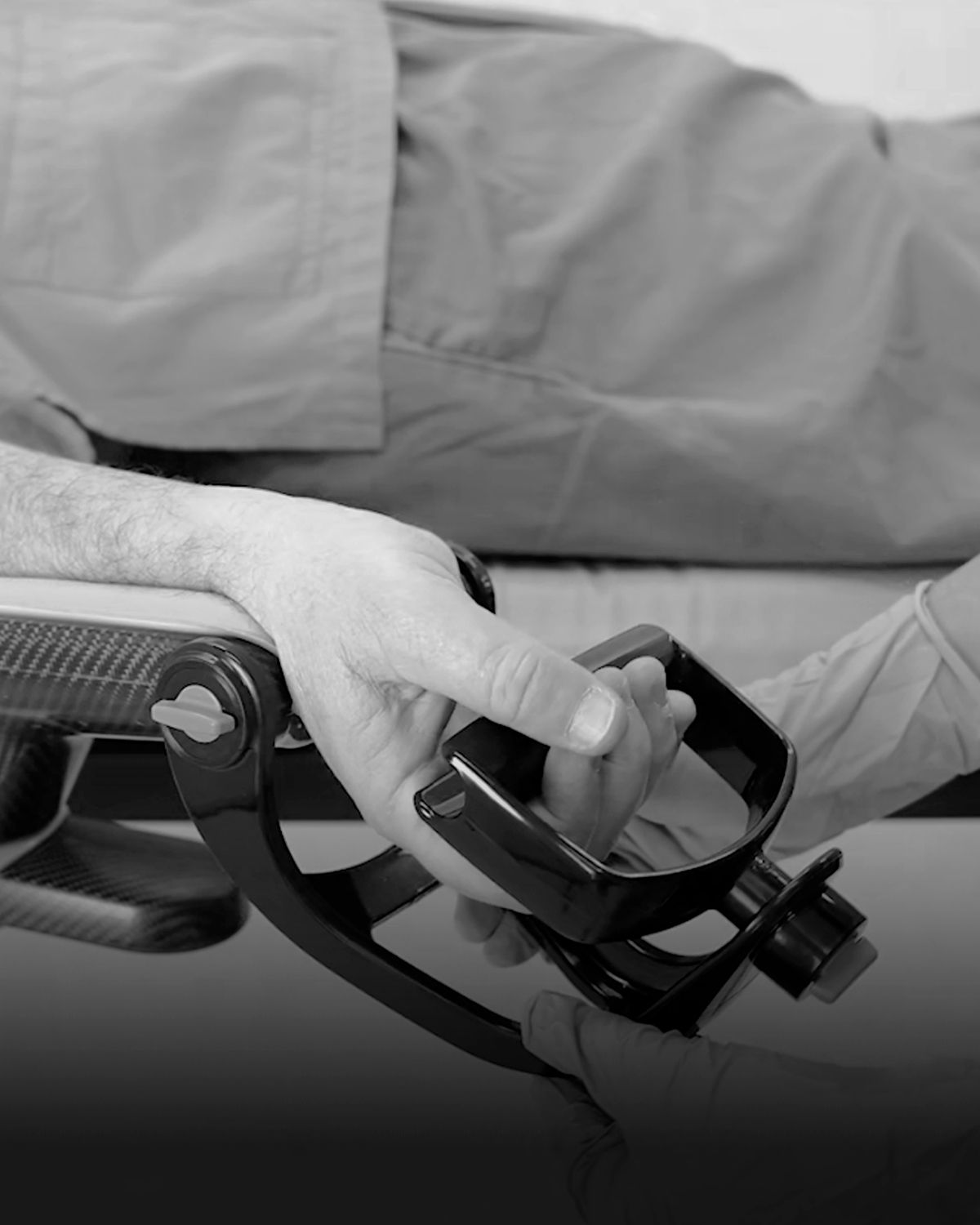
- Suitable for awake or anaesthetised patients, using comfortable wrist straps for secure positioning
The baseboard can be placed above or below the mattress and is stabilised by the patient’s body weight. With height adjustability, clinicians can tailor positioning to individual patient’s anatomical needs, with adjustments easily locked into place for secure positioning.
The Value to You
The Overhead Arm Support MR Safe improves imaging and reduces radiation exposure. Positioning the arms overhead removes dense tissue from the imaging field, resulting in clearer visualisation of the abdominal and thoracic anatomy. A study conducted by Pujari et.al., (2023) has shown that arm elevation away from the torso significantly reduces radiation exposure during imaging and fluoroscopic procedures.
According to Marcondes et.al., (2021), when a patient’s arms are positioned laterally alongside the torso, higher radiation doses are required to penetrate the additional tissue, which can decrease the quality of the image outcome. Furthermore, research conducted by Buchhave et.al, (2024) on below-shoulder arm positioning during CT-TAP procedures explains that attempts to reduce radiation degrade image quality, while enhancing image quality requires an increase in radiation dose. This trade-off highlights the limitation of below-shoulder positioning approaches and underscores the value of alternative positioning strategies that address both challenges simultaneously.
Comparatively, overhead arm positioning has been shown to reduce radiation exposure by up to 30%, without introducing additional complications (Pujari et al., 2023). This benefits both patients and clinicians by lowering the cumulative radiation dose while improving diagnostic clarity (Pujari et al., 2023).
The Overhead Arm Support MR Safe also provides a beneficial alternative to traditional overhead arm arrangements. The current methods for overhead arm positioning during these procedures involve pillows, towels, or cloth straps, which lack consistency and proper support, often requiring adjustments. These makeshift approaches can place patients at risk of brachial plexus injury due to excessive and sustained shoulder flexion and can create unnecessary work for the clinicians.
By supporting the arms in an abducted, elevated position, the Overhead Arm Support MR Safe allows clinicians to:
- Position patients with reduced shoulder strain in mind
- Assist patients with limited shoulder mobility
- Maintain patient comfort during longer procedures
- Replace improvised supports with a more consistent, efficient setup
A Practical Solution
This consistent and ergonomic overhead arm positioning is designed to support patient safety without compromising procedural efficiency.
Scientific evidence supports overhead arm positioning as a suitable solution for supporting image quality and reducing radiation exposure during interventional procedures. The OHAS applies this evidence in a reliable, consistent, and easy-to-use clinical tool, one that supports patient positioning, assists clinicians and aligns with procedural workflow.
References
Buchhave, E.Ø. et al. (2024) ‘Effect of arm position on image quality and radiation dose during thorax and abdomen computed tomography scans’, Radiography, 30(4), pp. 1035–1040. doi:10.1016/j.radi.2024.04.015.
Marcondes, G.B. et al. (2021) ‘Evaluation of safety of overhead upper extremity positioning during fenestrated–branched endovascular repair of thoracoabdominal aortic aneurysms’, CardioVascular and Interventional Radiology, 44(12), pp. 1895–1902. doi:10.1007/s00270-021-02992-1.
Pujari, A. et al. (2023) ‘Overhead arm support reduces radiation exposure during complex endovascular aortic repair’, Journal of Vascular Surgery, 77(4), pp. 991–996. doi:10.1016/j.jvs.2022.12.021.