How Overhead Arm Positioning Can Benefit More Patients (Part 1)
[June 4, 2026]
Anna Sladkey, Doctor of Physical Therapy at MemorialCare Miller Children’s & Women’s Hospital Long Beach (Long Beach, USA) and board-certified paediatric clinical specialist, shares her experience with overhead arm positioning in paediatric and small adult patients.

Read on for in-depth insights from Dr Anna Sladkey, or view the links below for the published editorial:
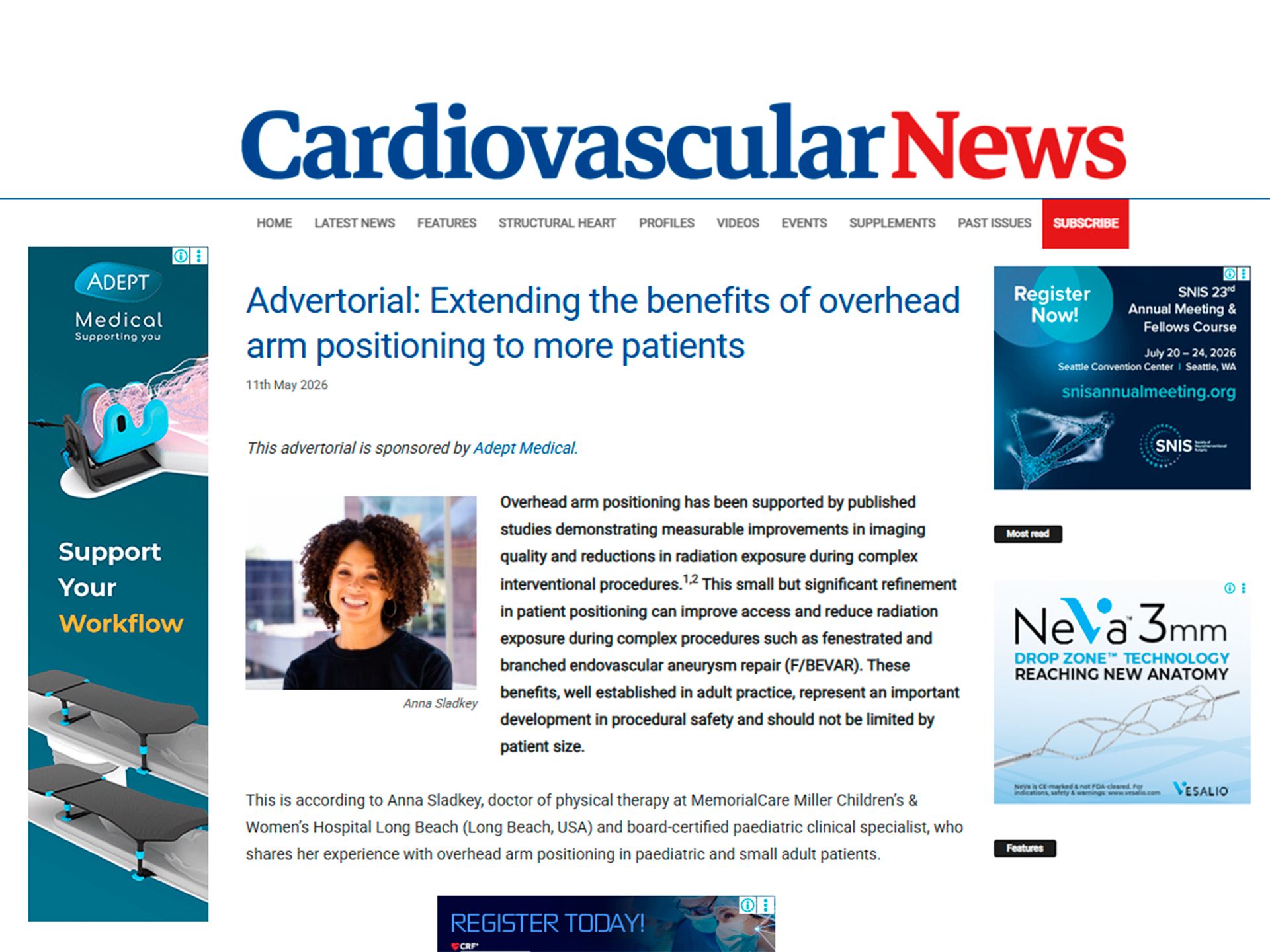
Interventional News: https://interventionalnews.com/extending-the-benefits-of-overhead-arm-positioning-to-more-patients/
Cardiovascular News: https://cardiovascularnews.com/extending-the-benefits-of-overhead-arm-positioning-to-more-patients
- - -
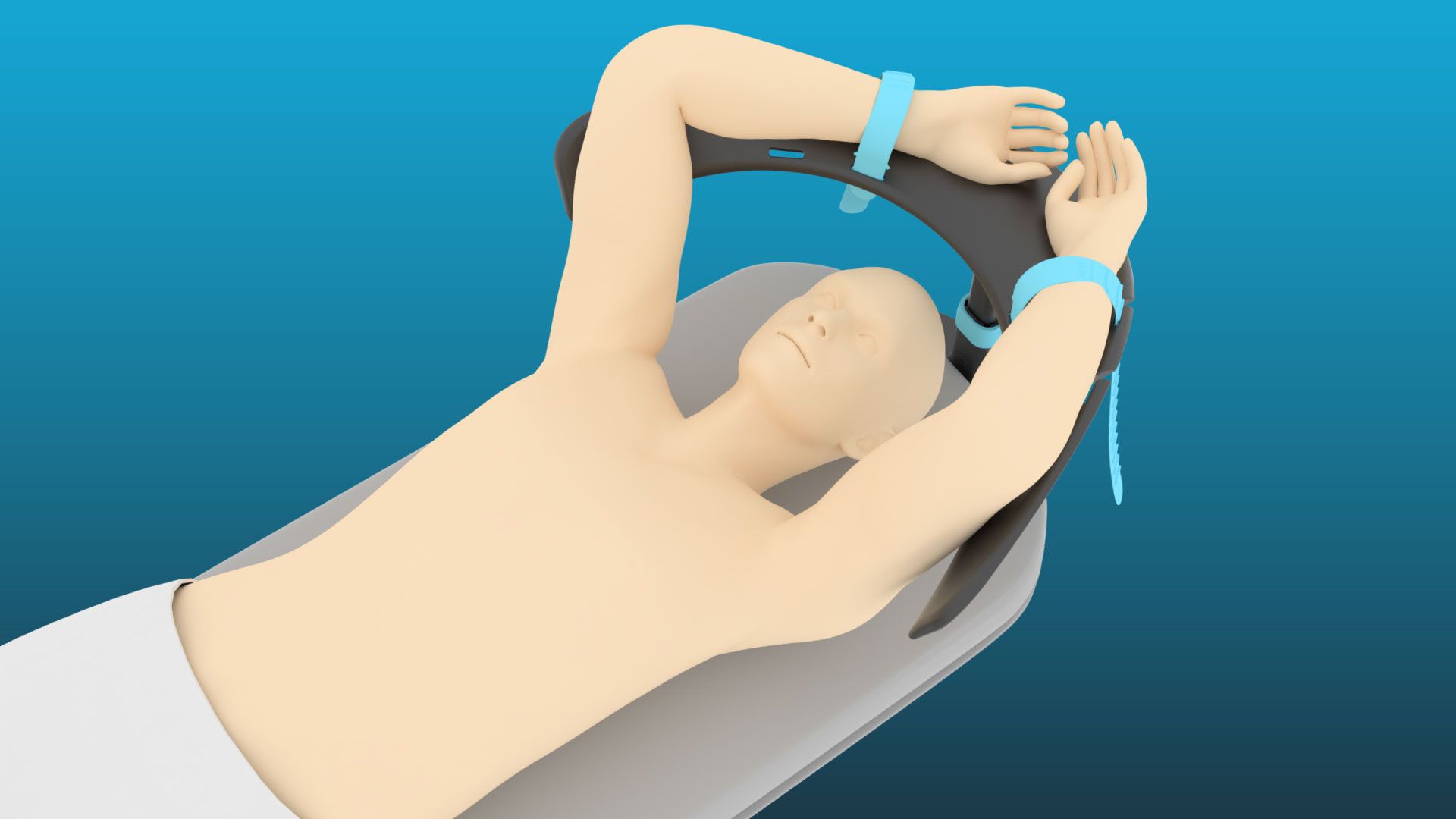
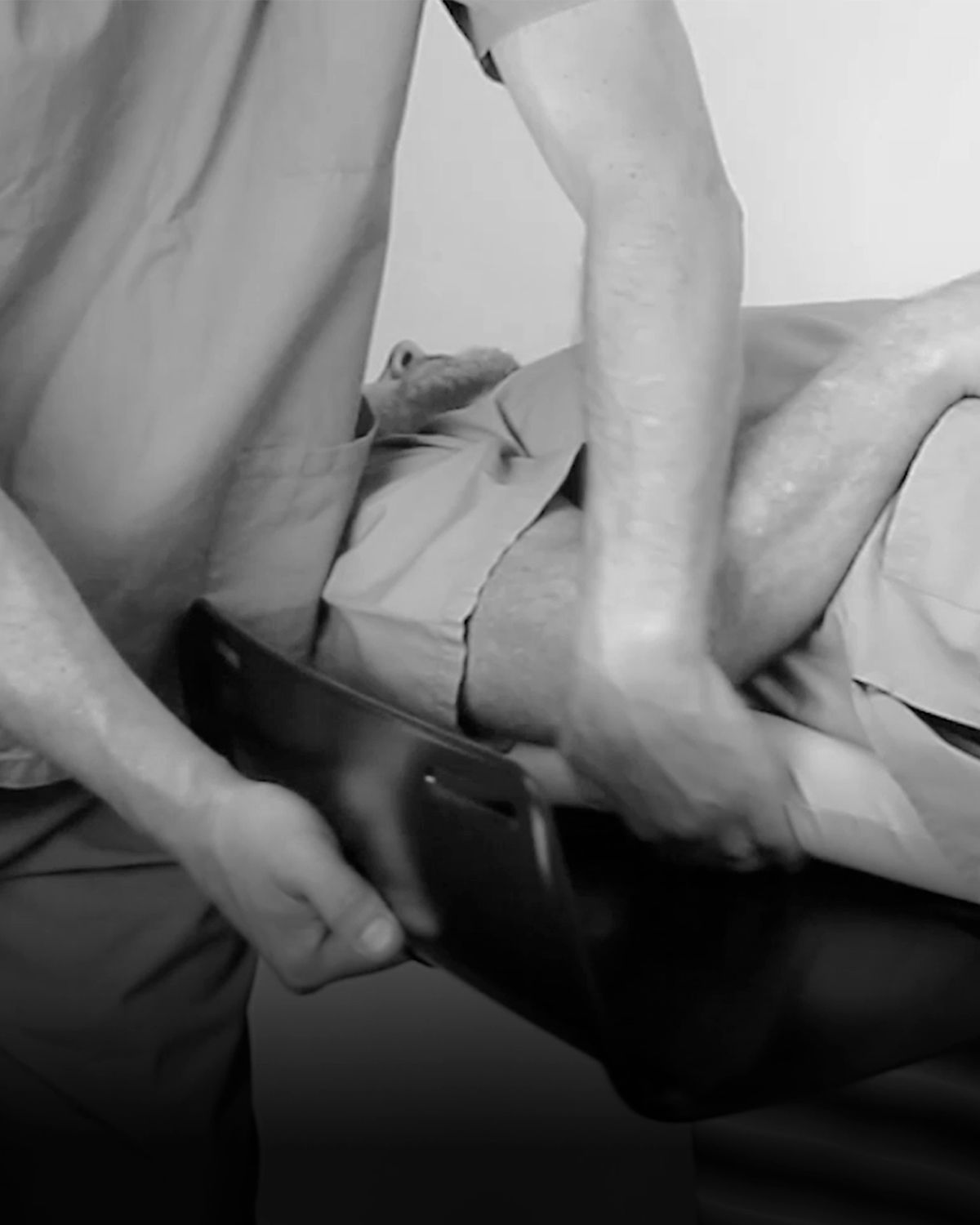
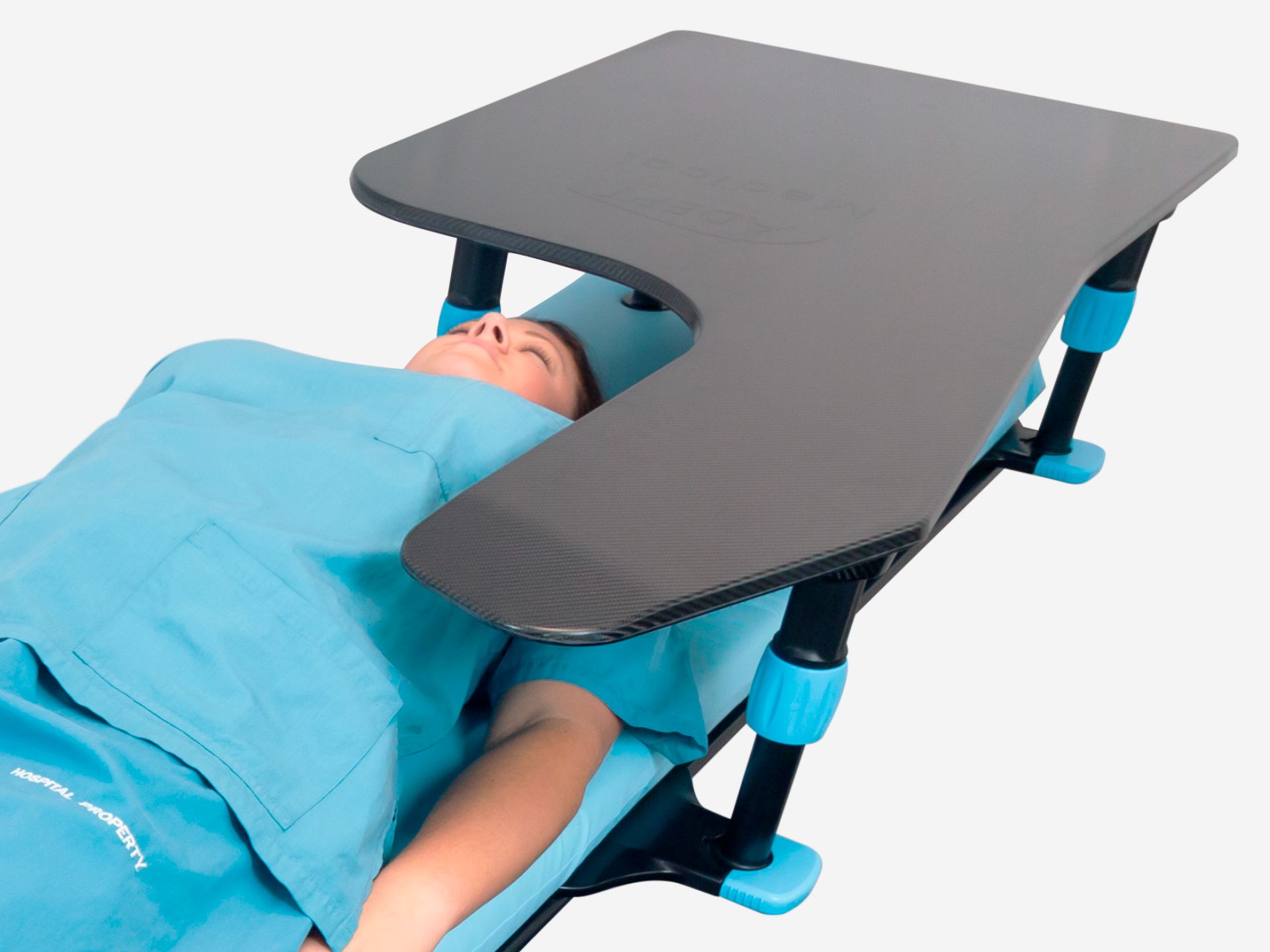
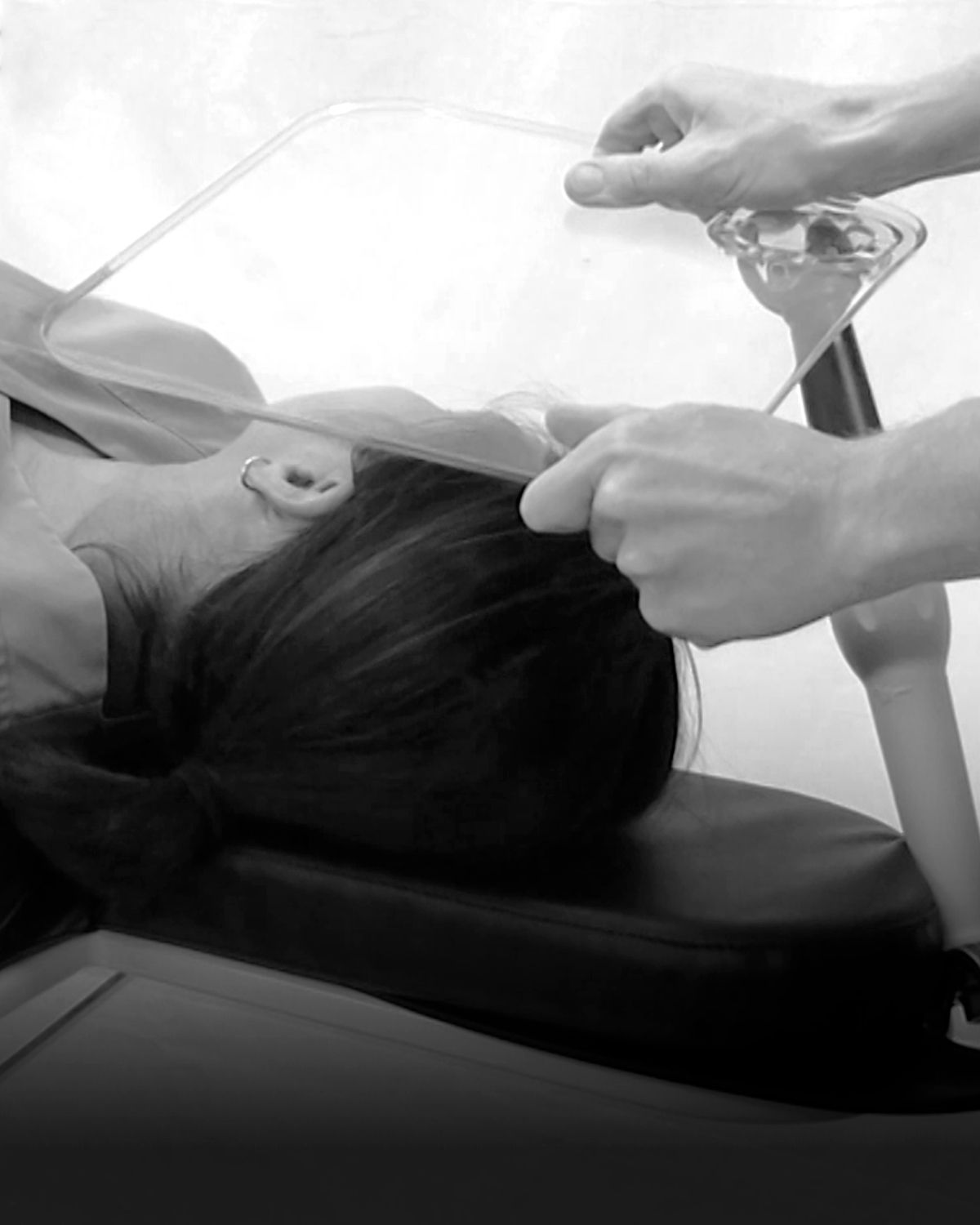
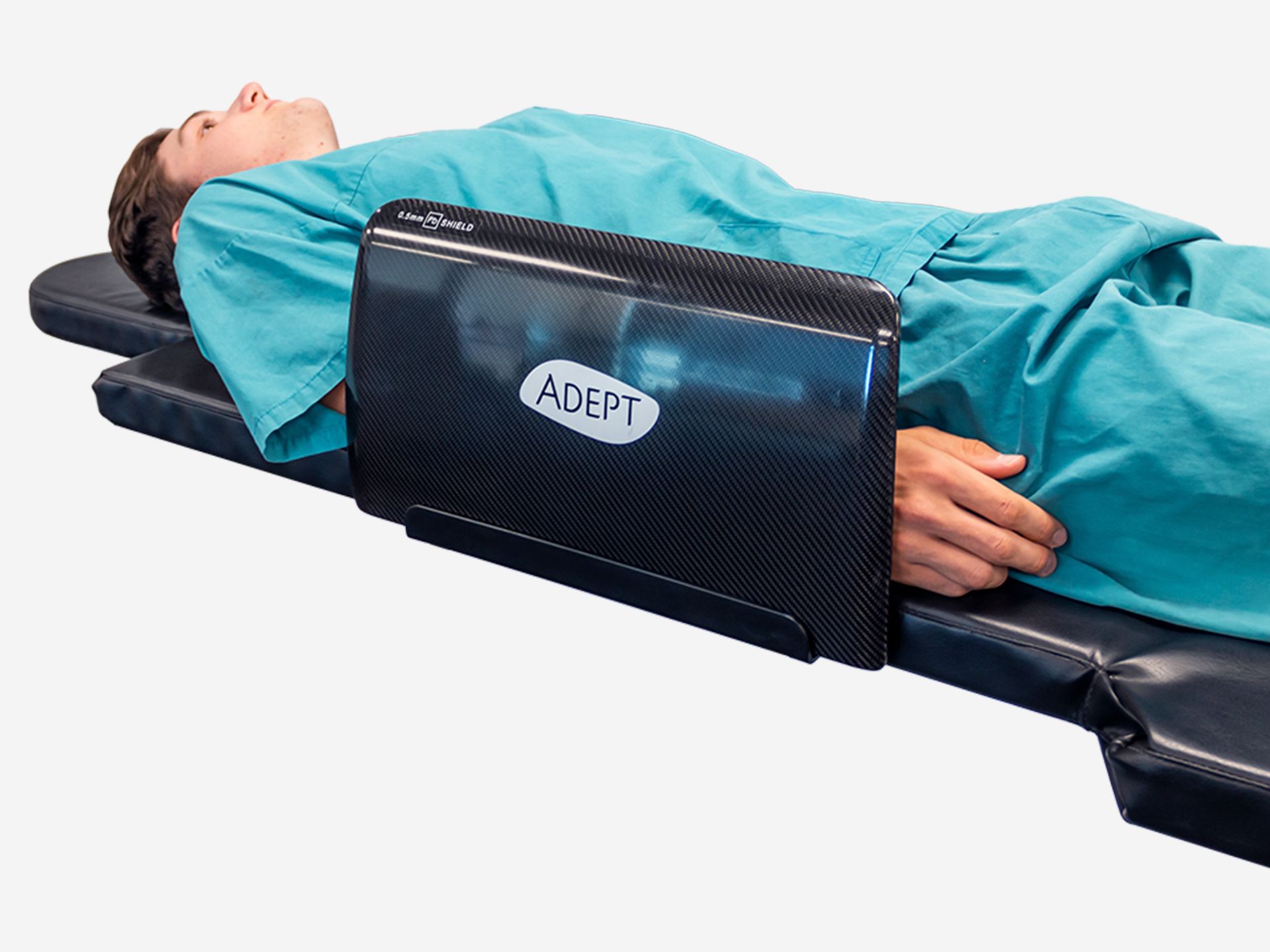
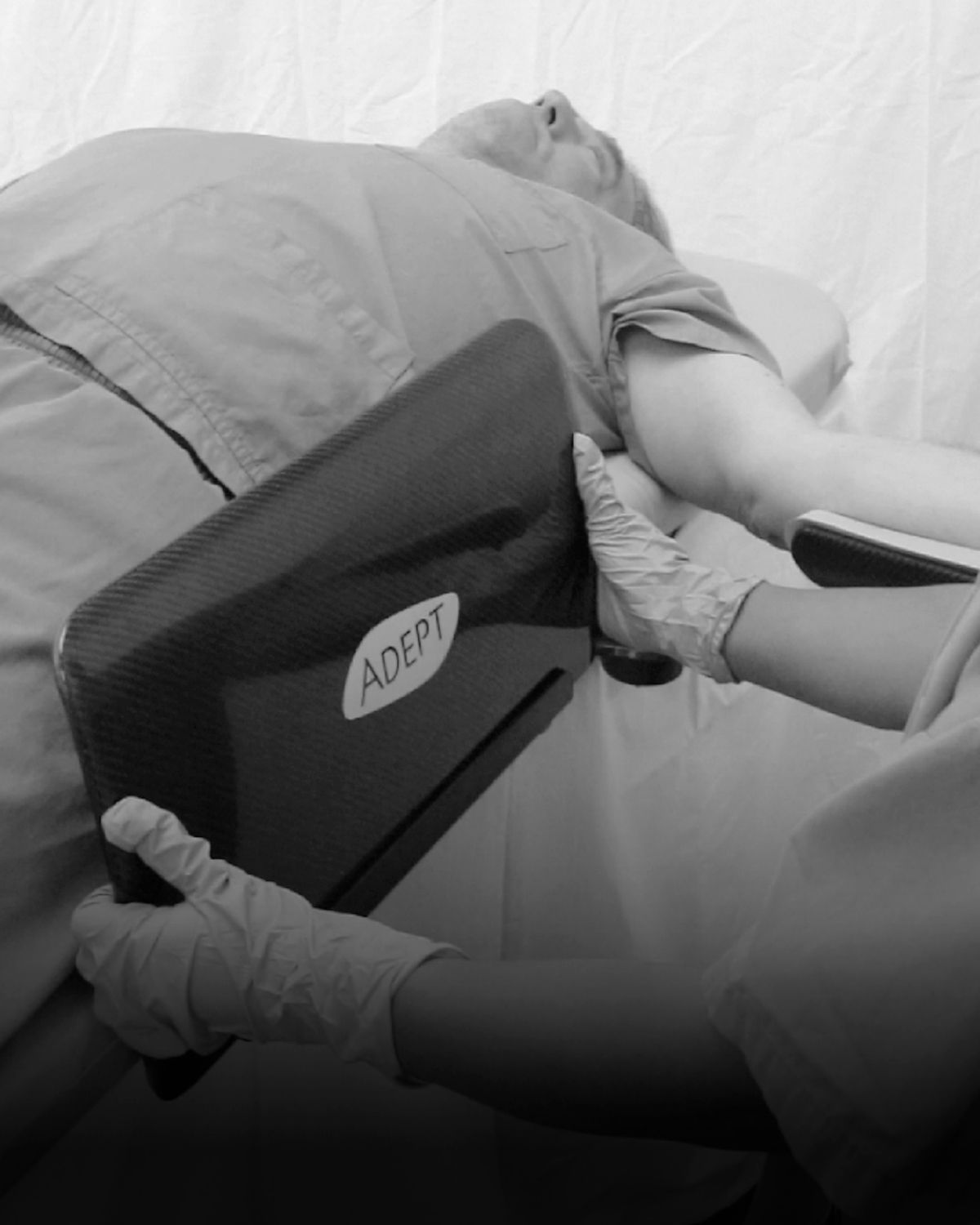
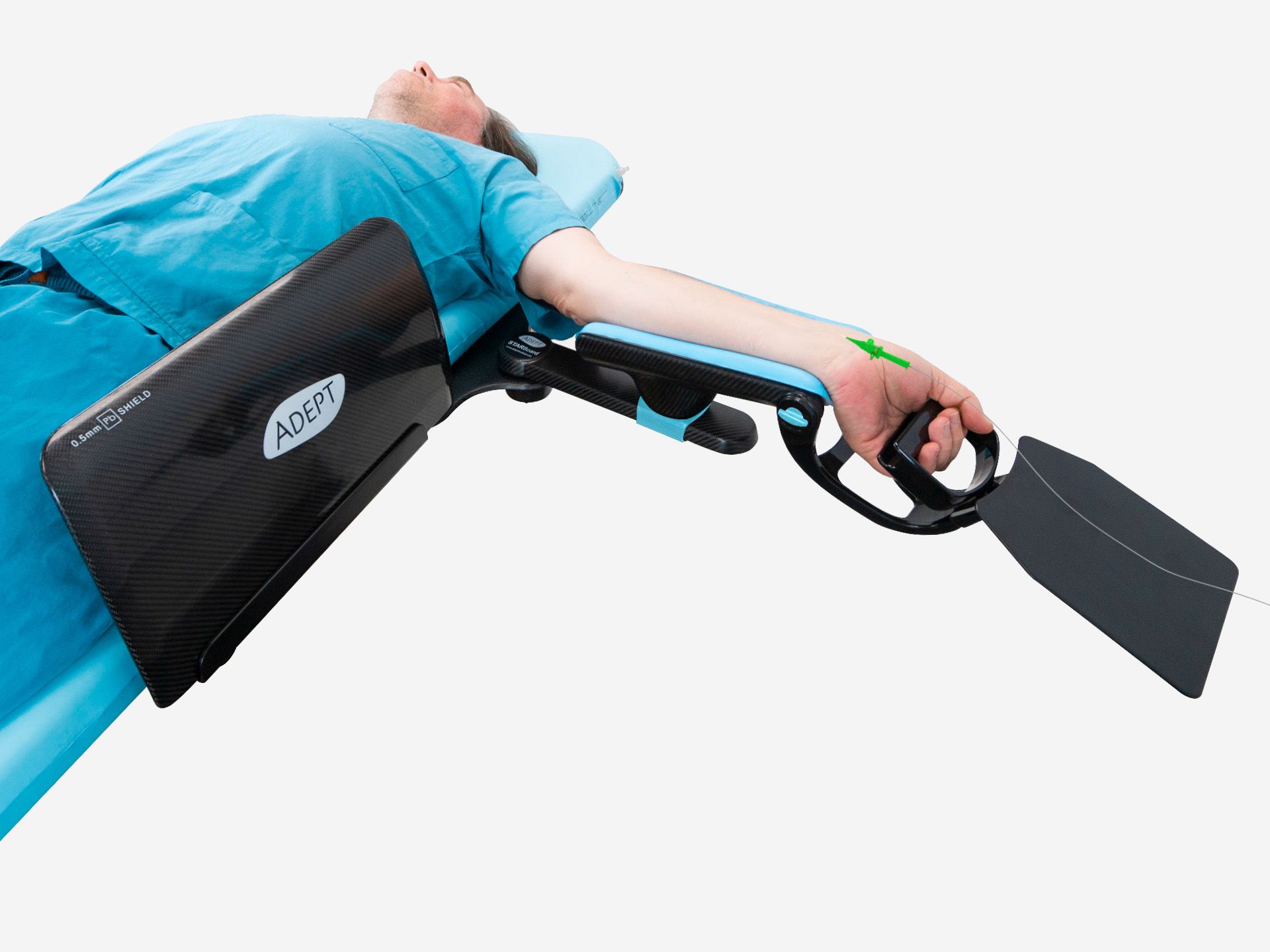
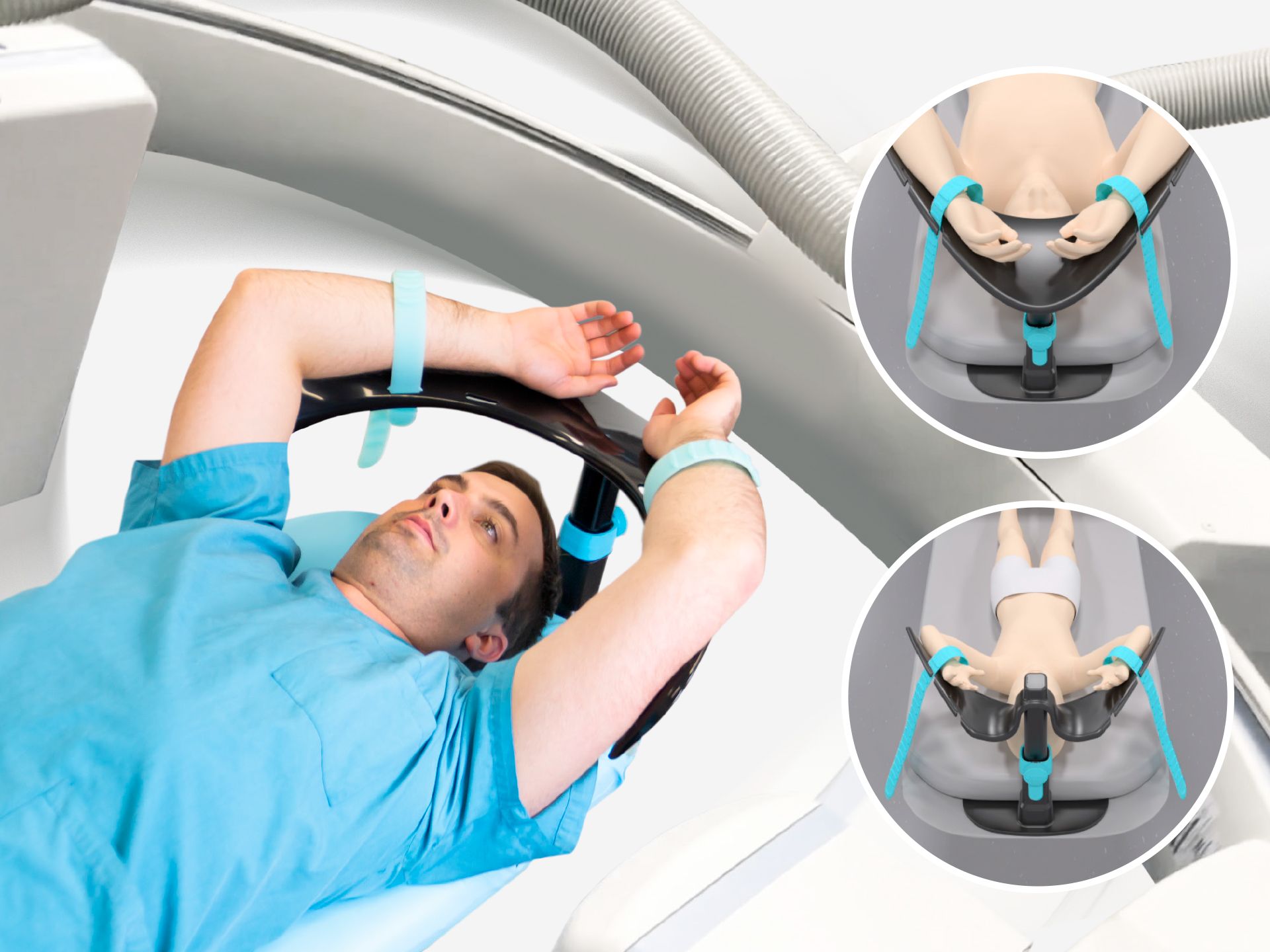
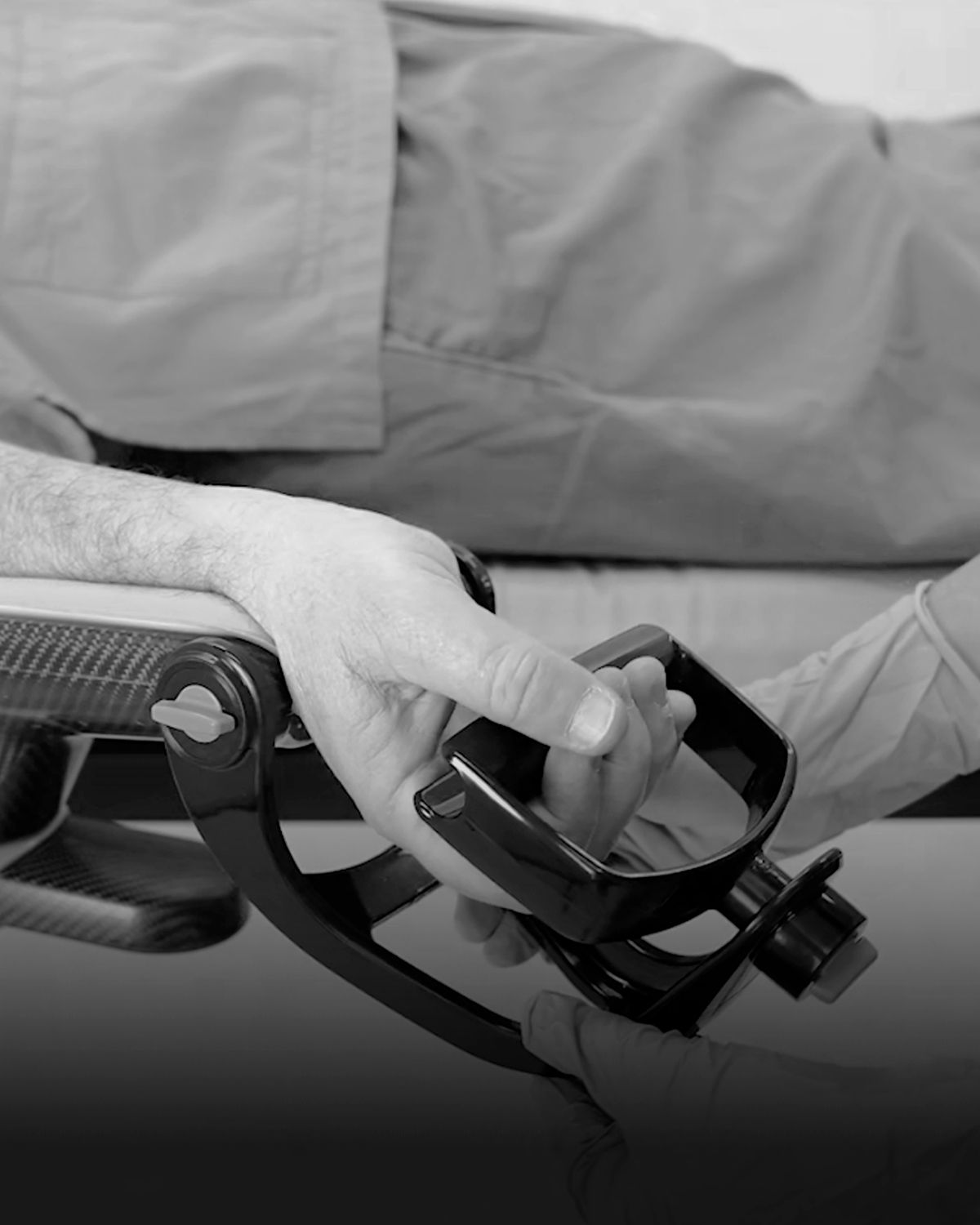
Overhead arm positioning has become a clinically supported approach, delivering measurable benefits in the evolving field of interventional radiology and cardiology. This small but significant refinement in patient positioning can improve imaging access and reduce radiation exposure during complex procedures such as fenestrated and branched endovascular aneurysm repair (F/BEVAR). When combined with the Adept Medical Overhead Arm Support, this approach offers repeatability, stability, and consistency, helping clinical teams work more efficiently while protecting both patients and staff.
These benefits, well established in adult practice, represent an important development in procedural safety and workflow. Yet their value should not be limited by patient size.
Dr. Anna Sladkey, Doctor of Physical Therapy and a Board-Certified Pediatric Clinical Specialist explains,
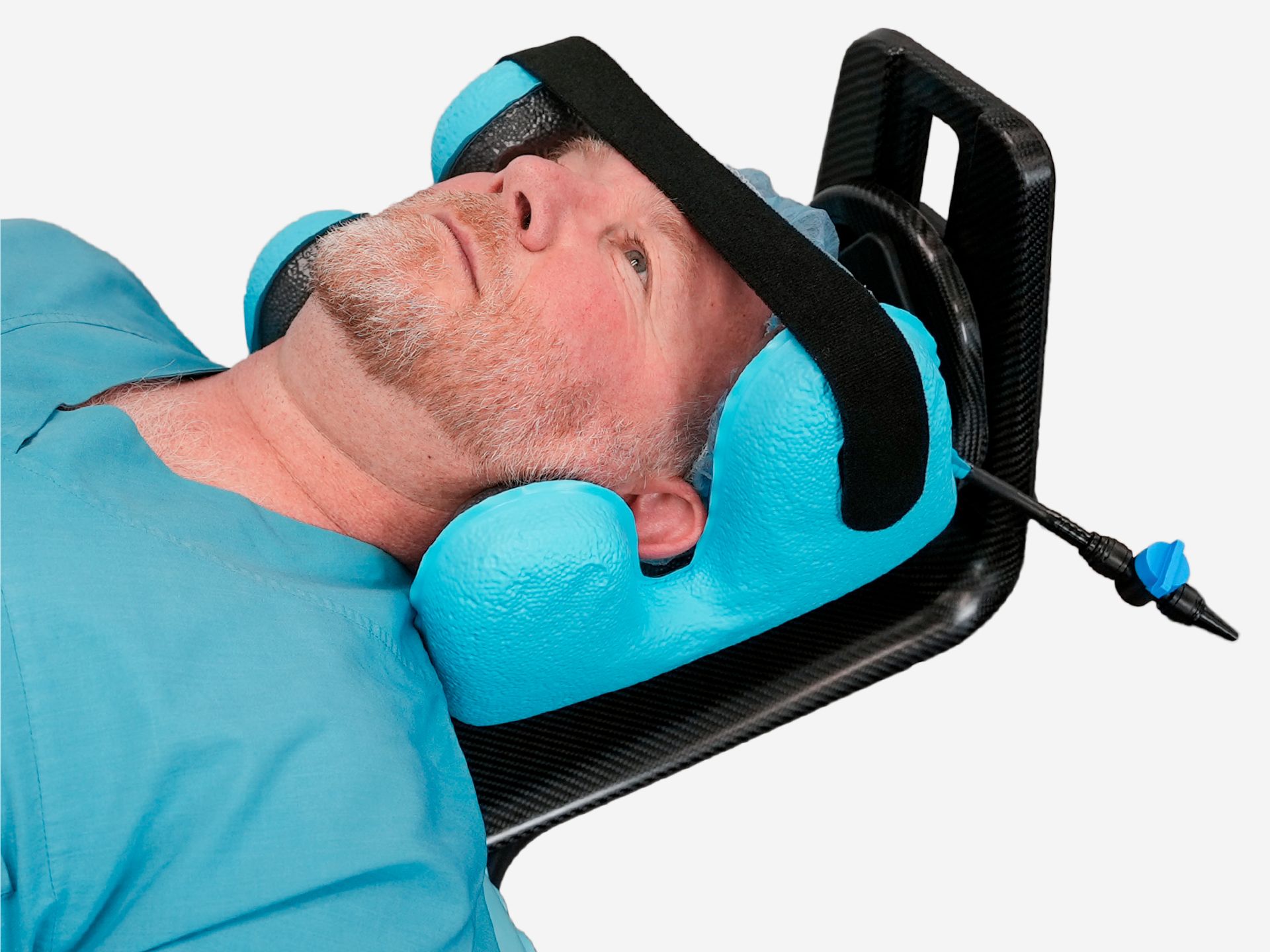
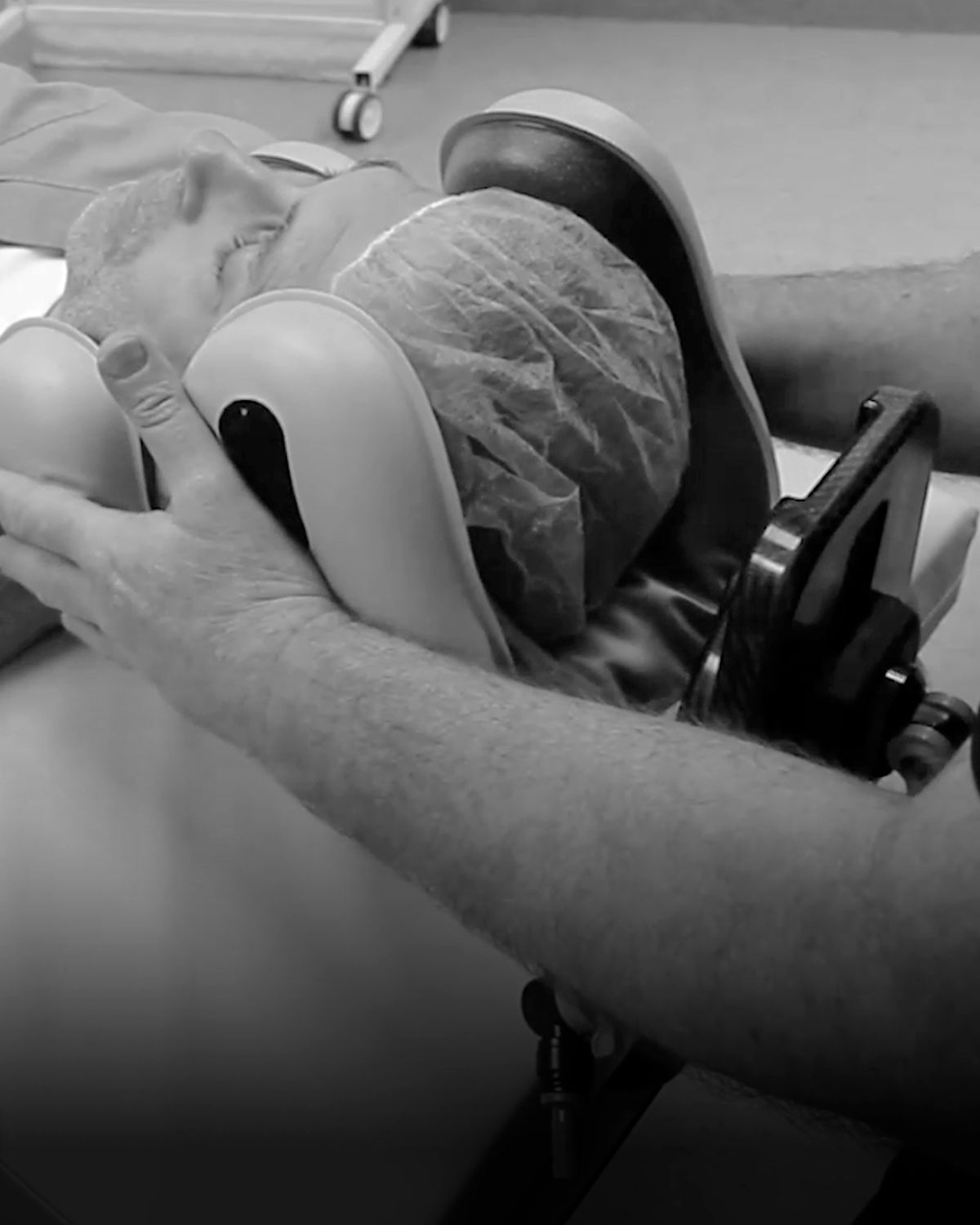
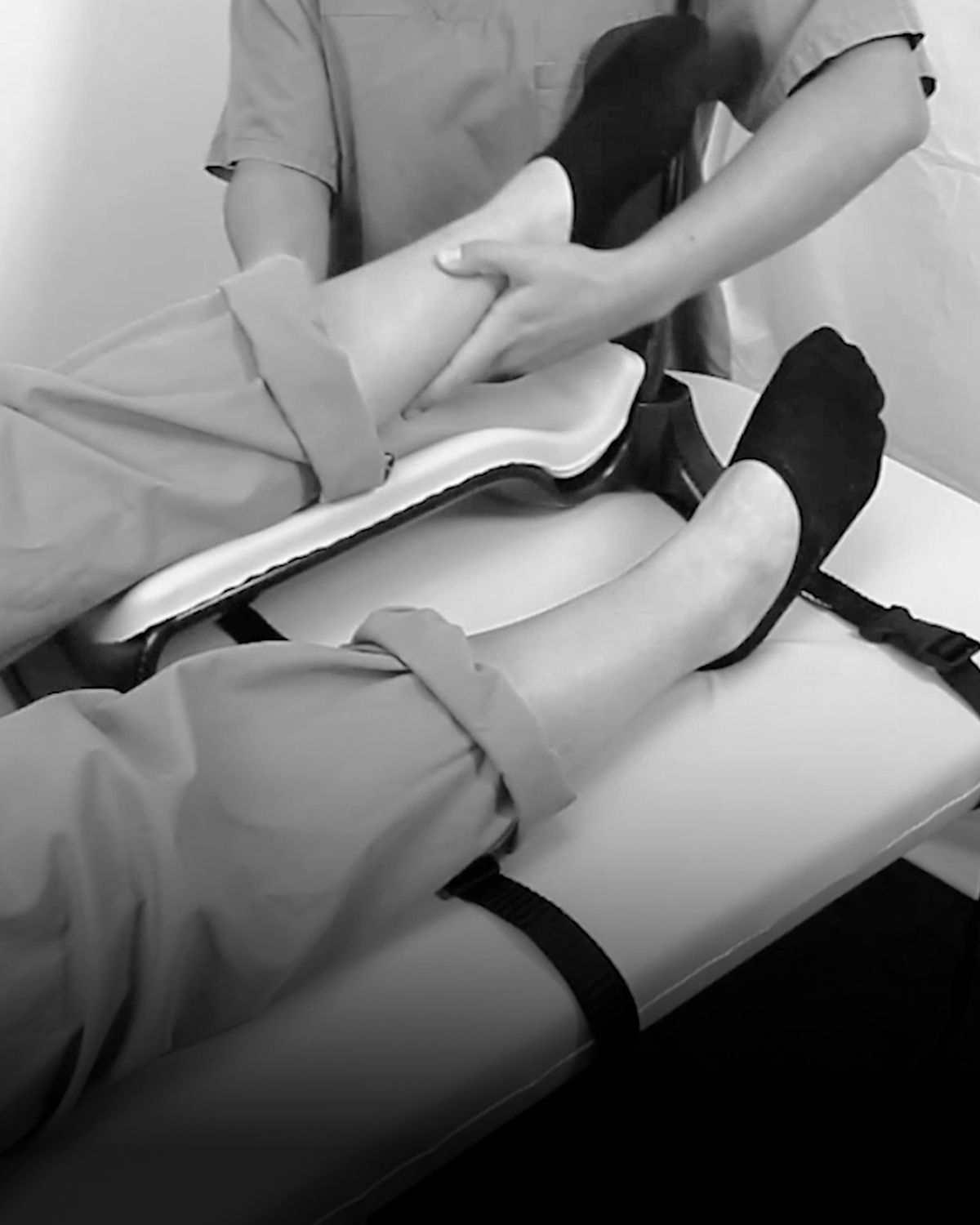
“In paediatric patients, consistent and stable positioning is foundational to both procedural safety and long-term development. Thoughtful positioning protects joint integrity while children’s bodies are still growing, reducing the risk of injury that could have lasting consequences. Safe and predictable positioning helps reduce medical trauma - especially for children who will require multiple procedures and interventions throughout their lives.”
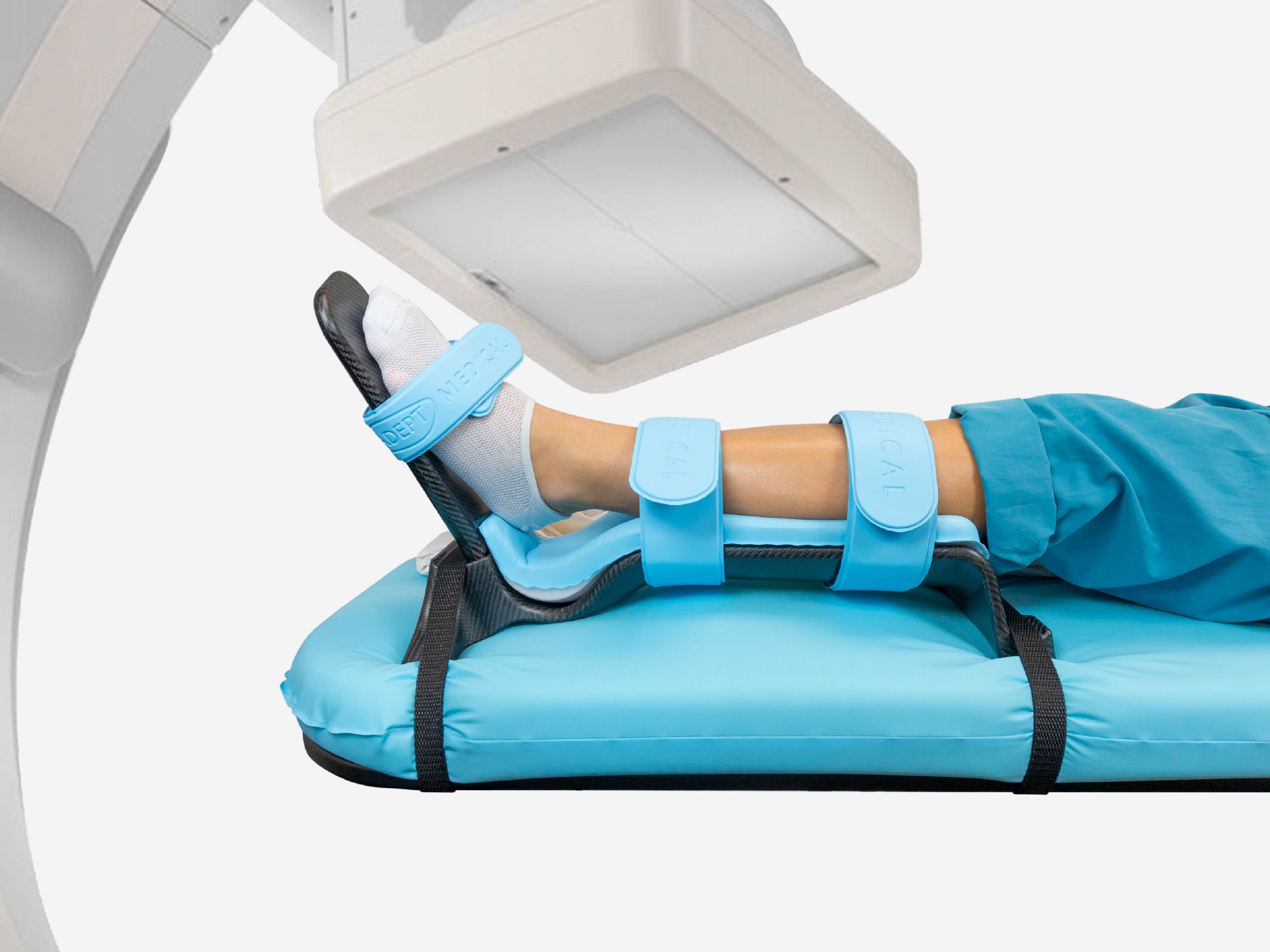
The same consistency and control that support complex interventions in adults are equally important for paediatric and small adult patients. As recent research highlights the absence of dedicated paediatric positioning devices, there is a clear need to extend proven adult techniques into this underserved patient group.
The radiation challenge and overhead arm positioningF/BEVAR procedures require extensive fluoroscopic imaging to visualise the thoracoabdominal aorta and visceral vessels. This prolonged imaging can expose both patients and interventional teams to significant cumulative radiation doses, increasing the risk of skin injury, stochastic effects, and occupational exposure. Reducing radiation without compromising image quality remains a core clinical priority.
Published research demonstrates that arm position can directly influence both exposure and imaging outcomes. Two studies in particular examined overhead upper extremity positioning during complex endovascular repair:
- Marcondes & Tenorio (2021) evaluated the safety of the overhead position, confirming no increase in complication rates and demonstrating improved imaging conditions through reduced anatomical overlap and enhanced visualisation of visceral vessels.
- Pujari et al. (2023) quantified the radiation benefit, reporting a 30 percent reduction in exposure compared with arm-at-side positioning, alongside improved imaging consistency.
Together, these findings support overhead arm positioning as an effective method for improving visualisation and reducing unnecessary radiation exposure in adult F/BEVAR.
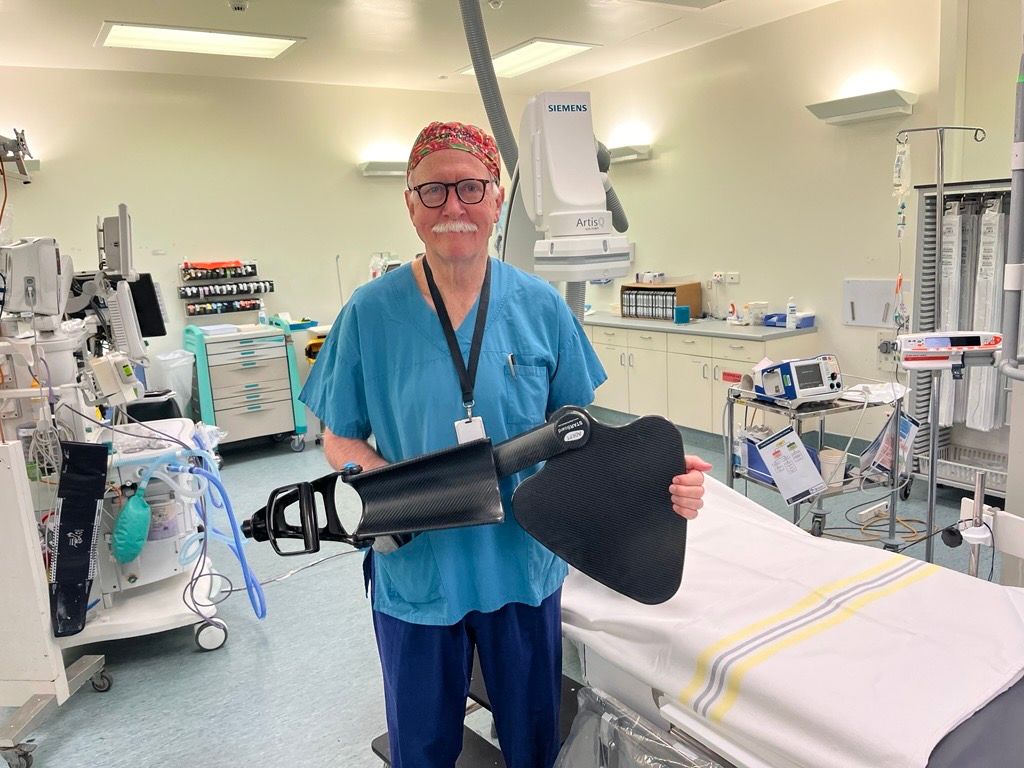
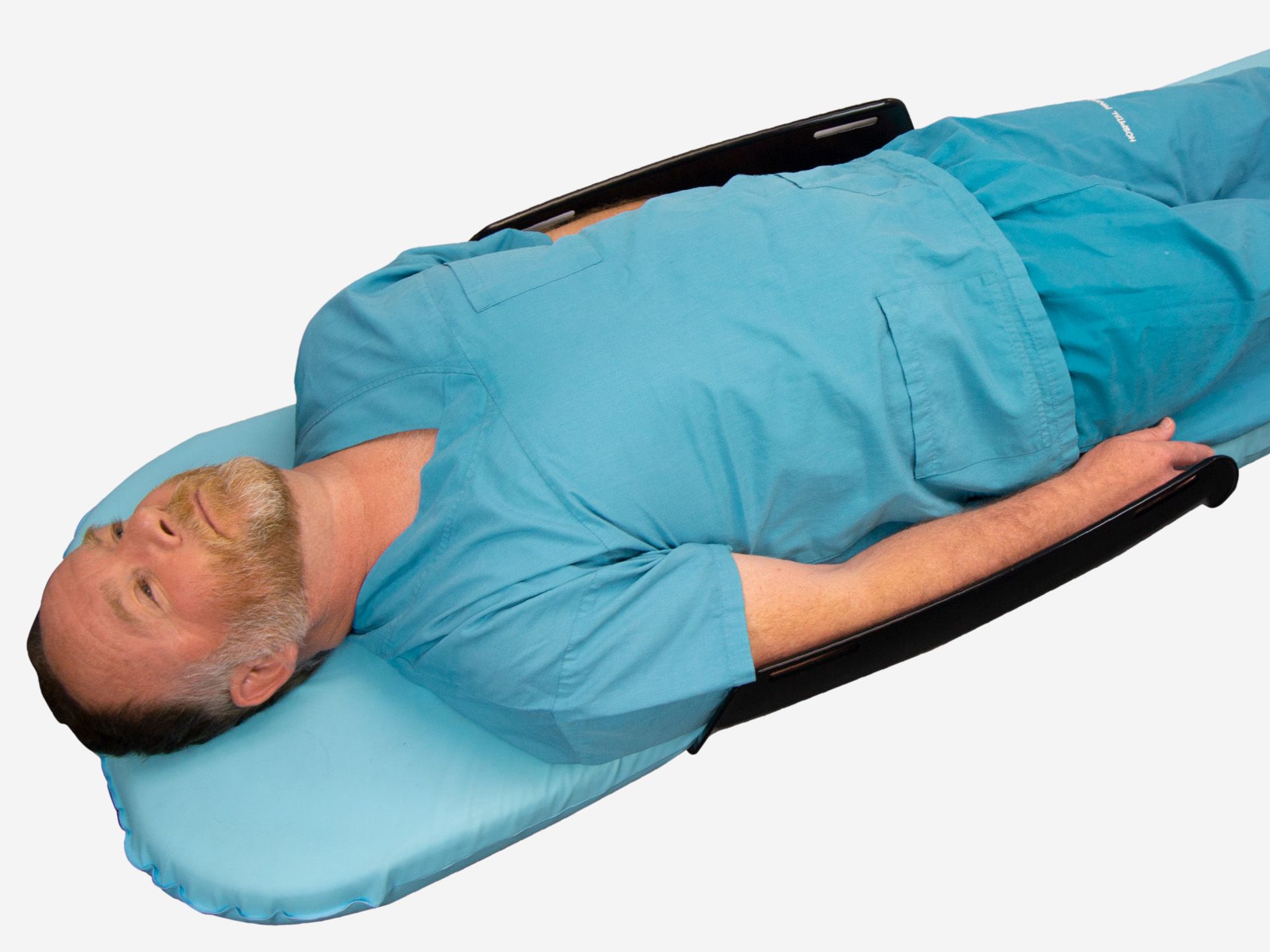
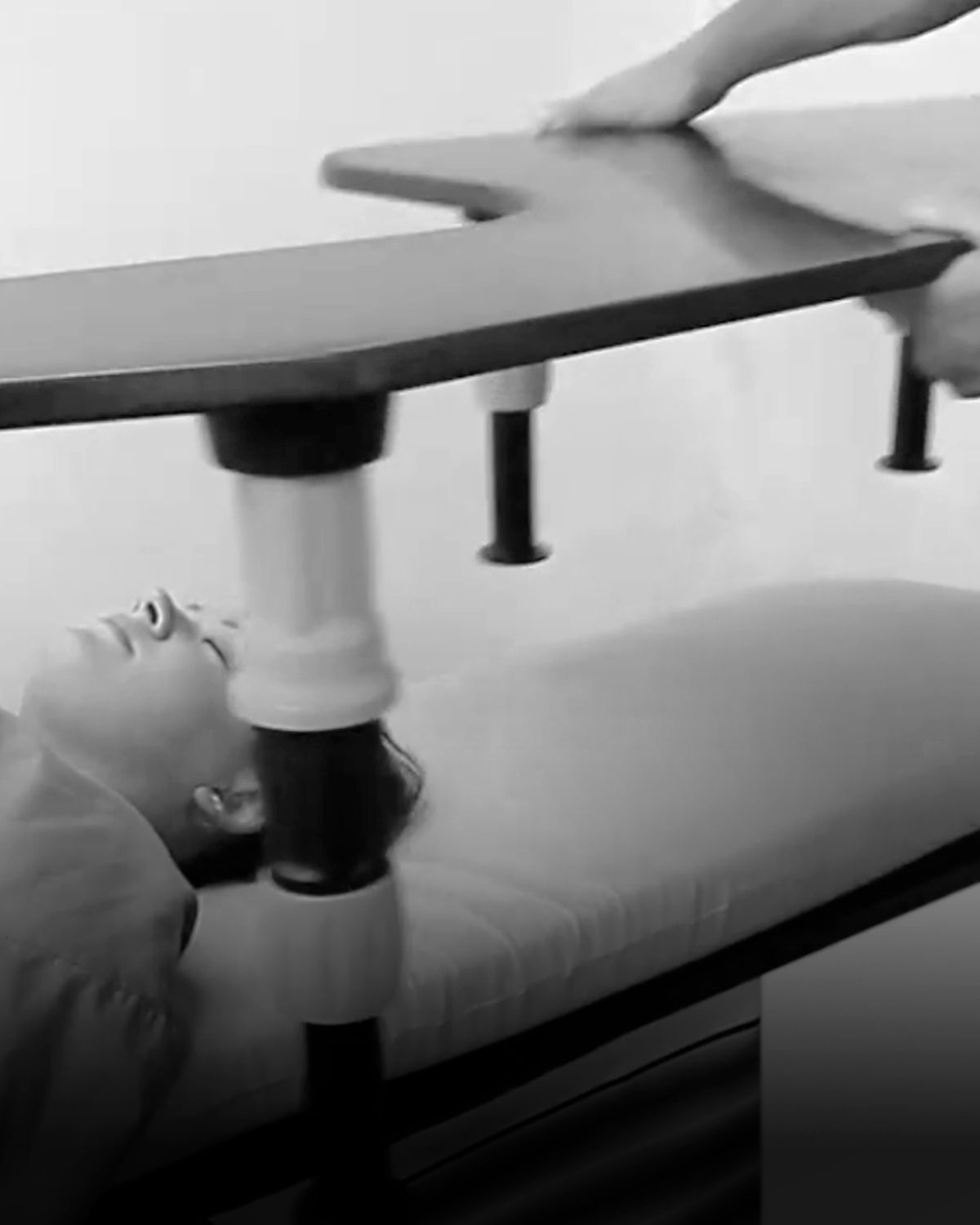
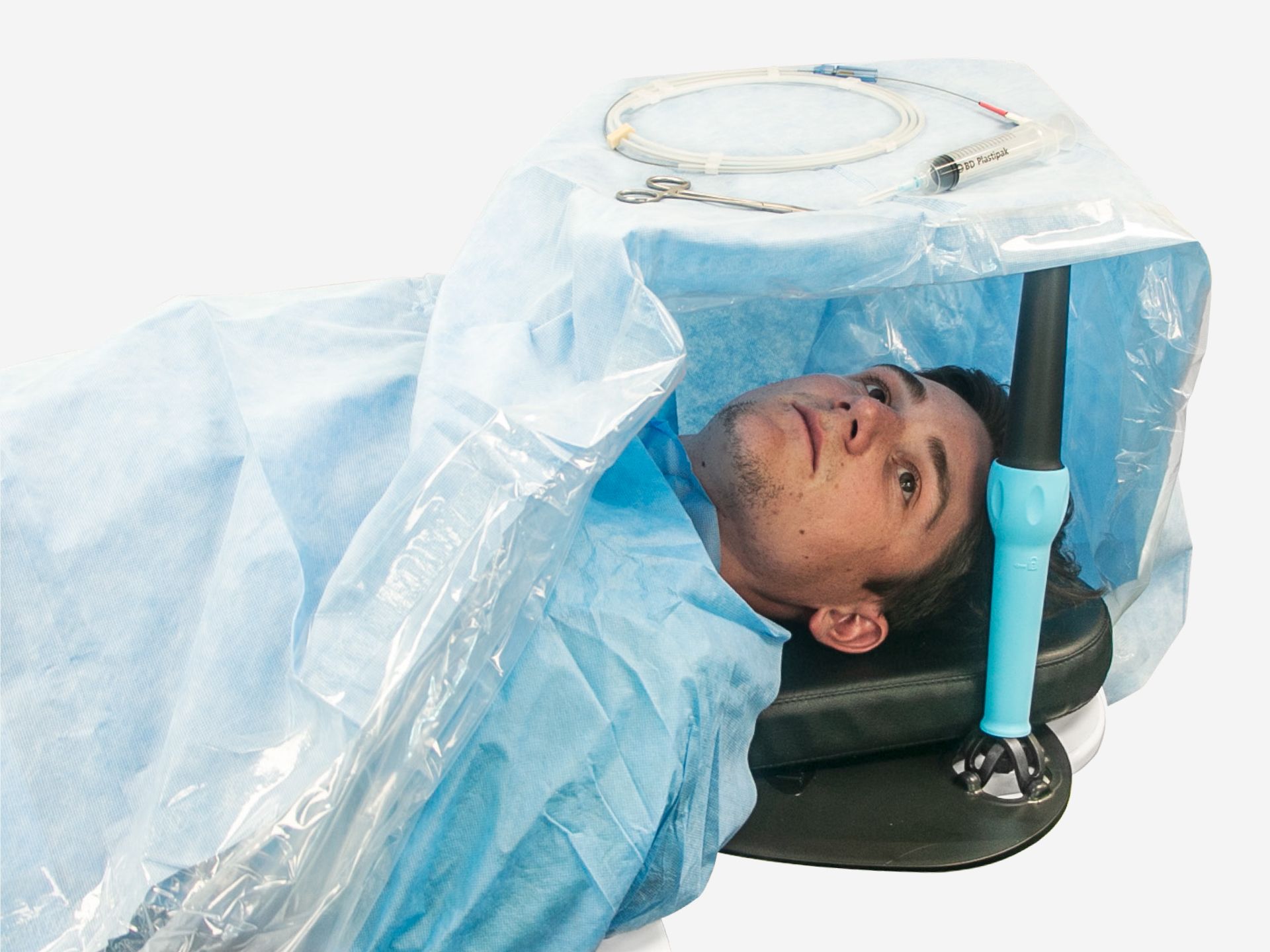
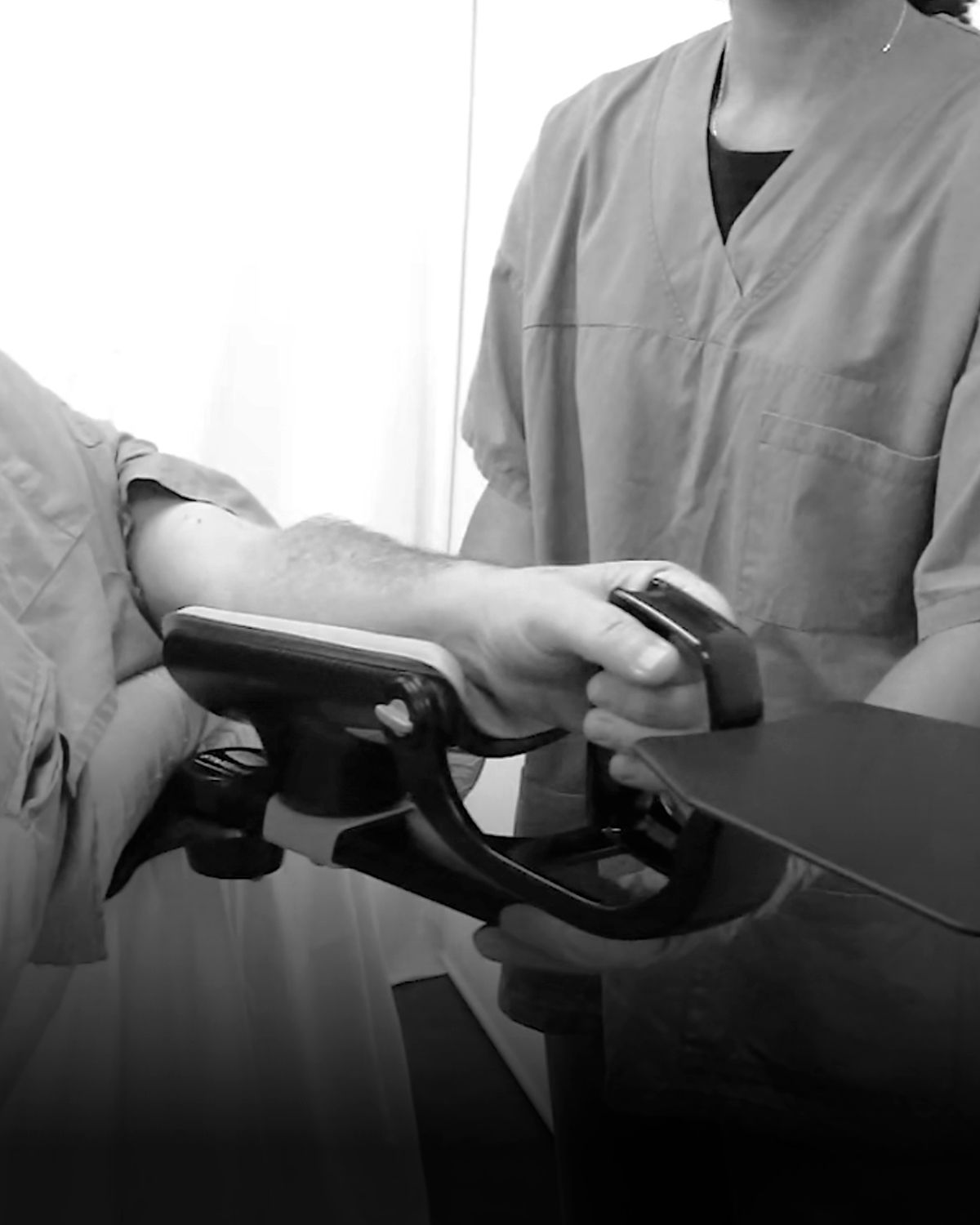
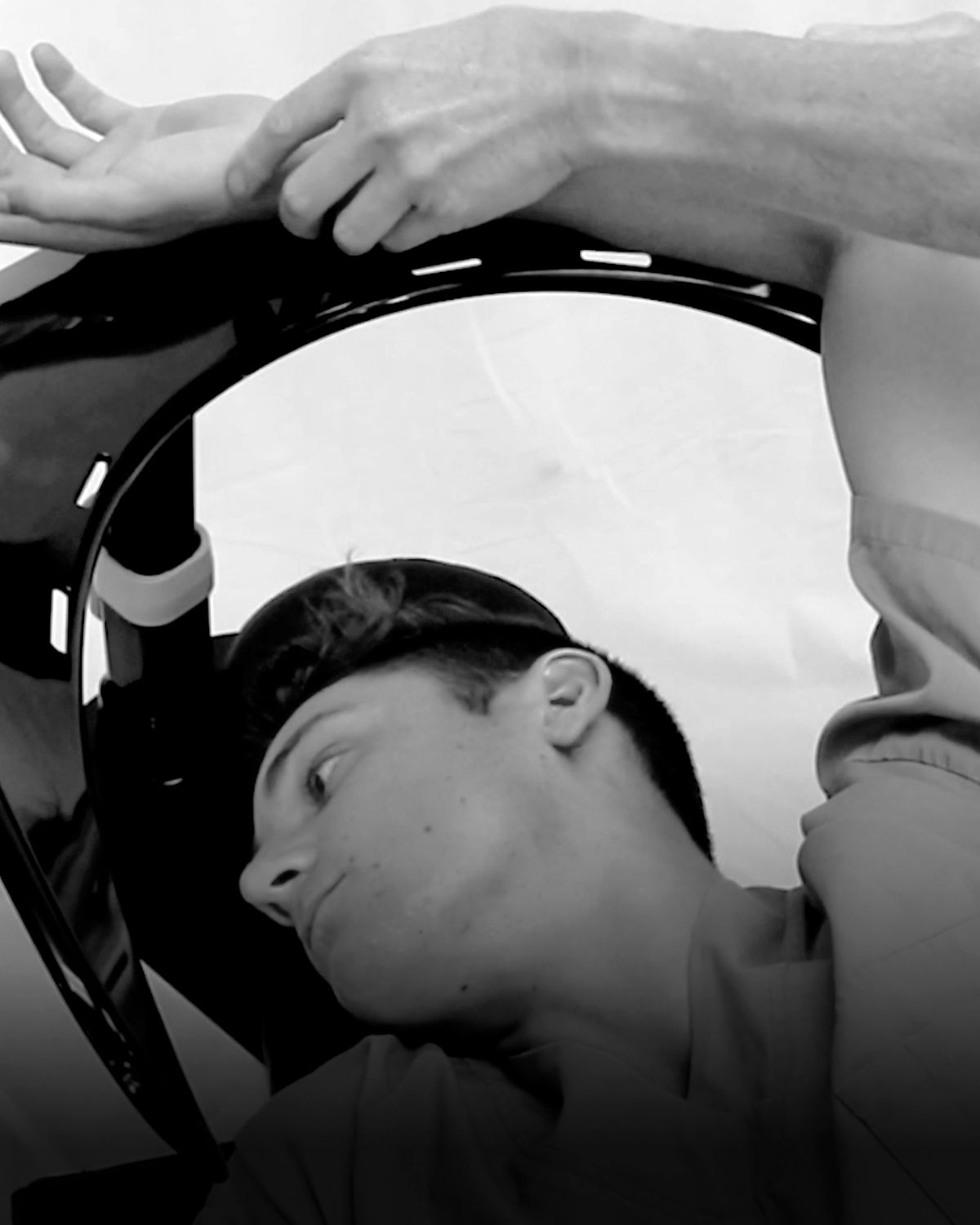
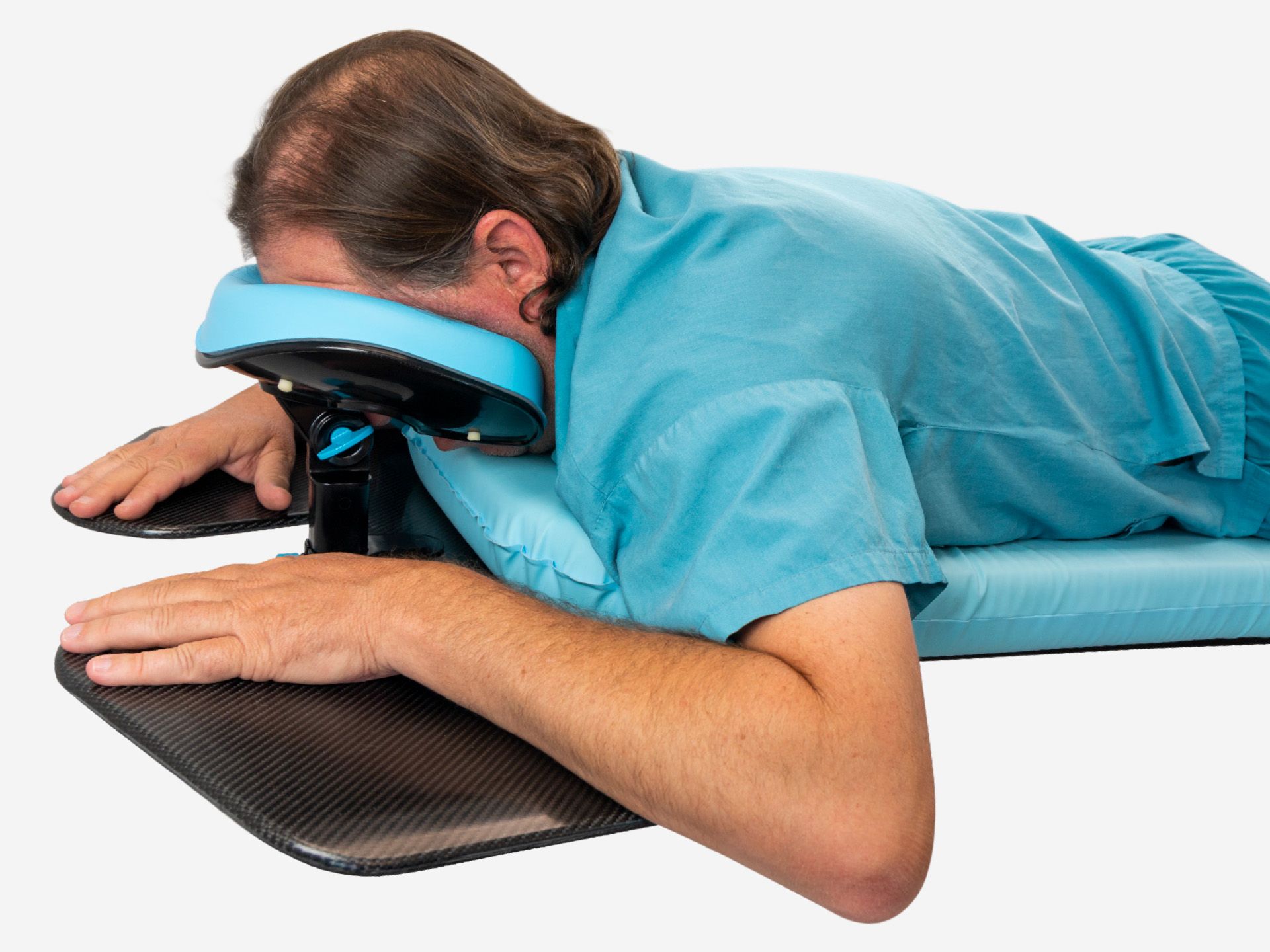
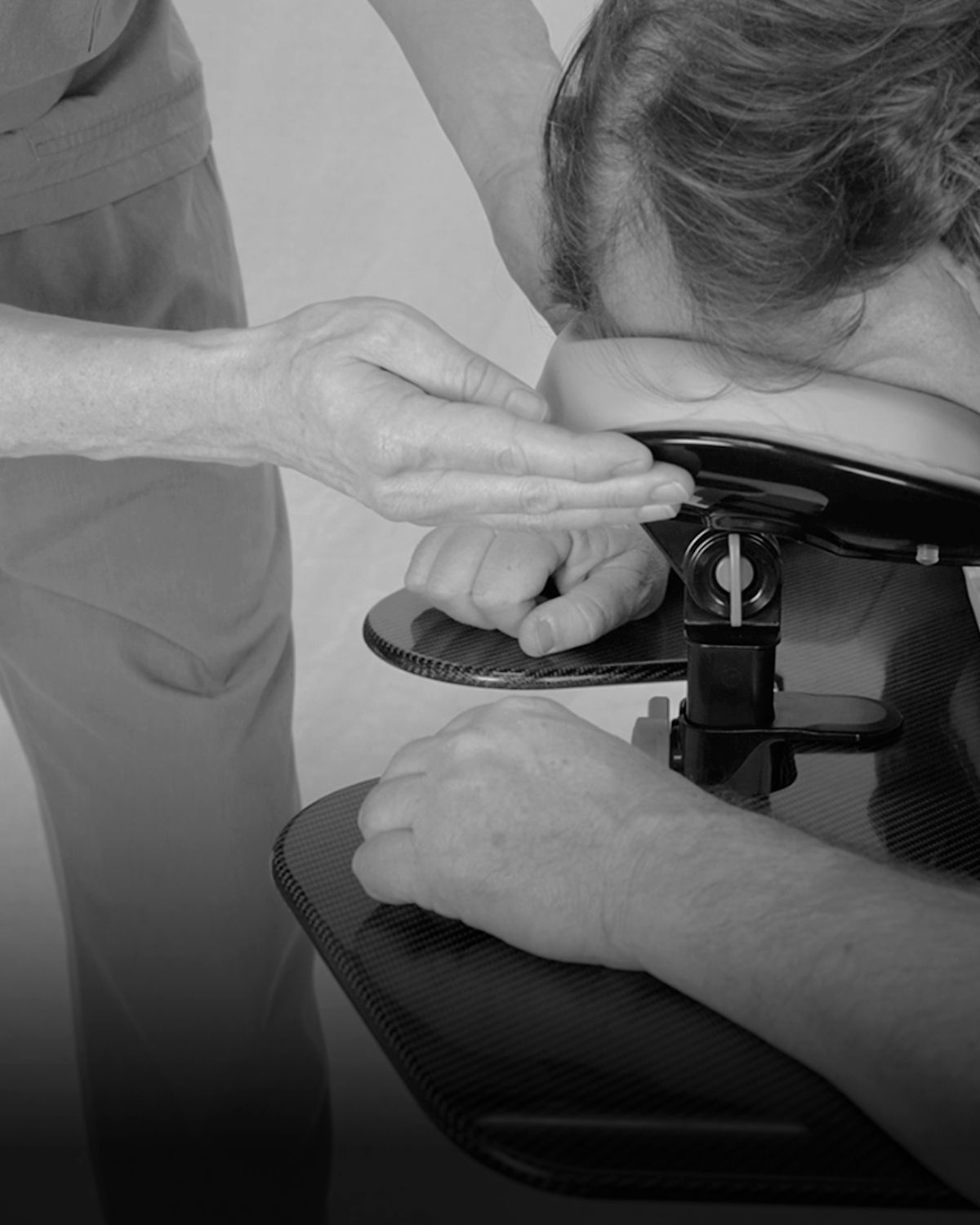
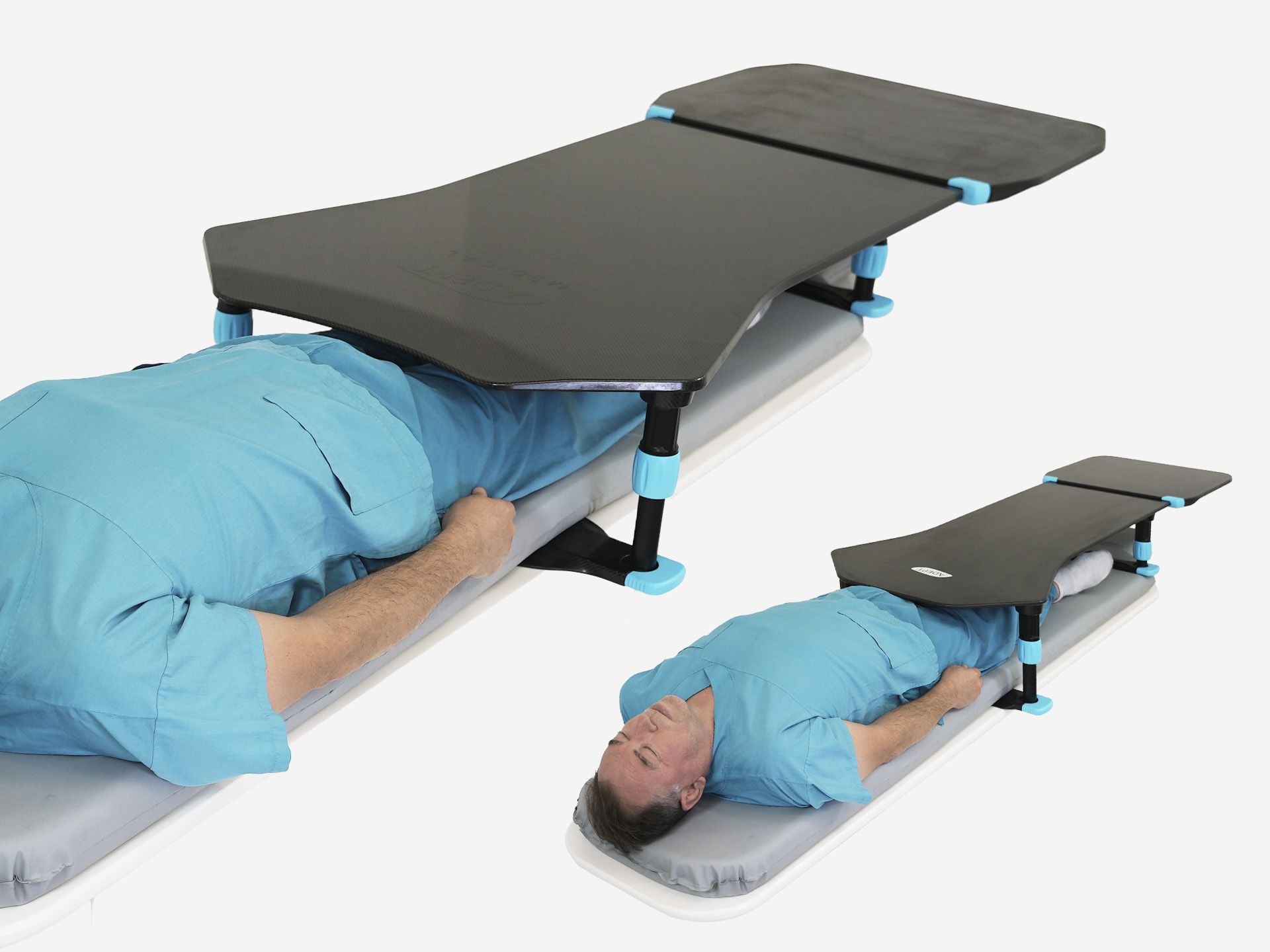
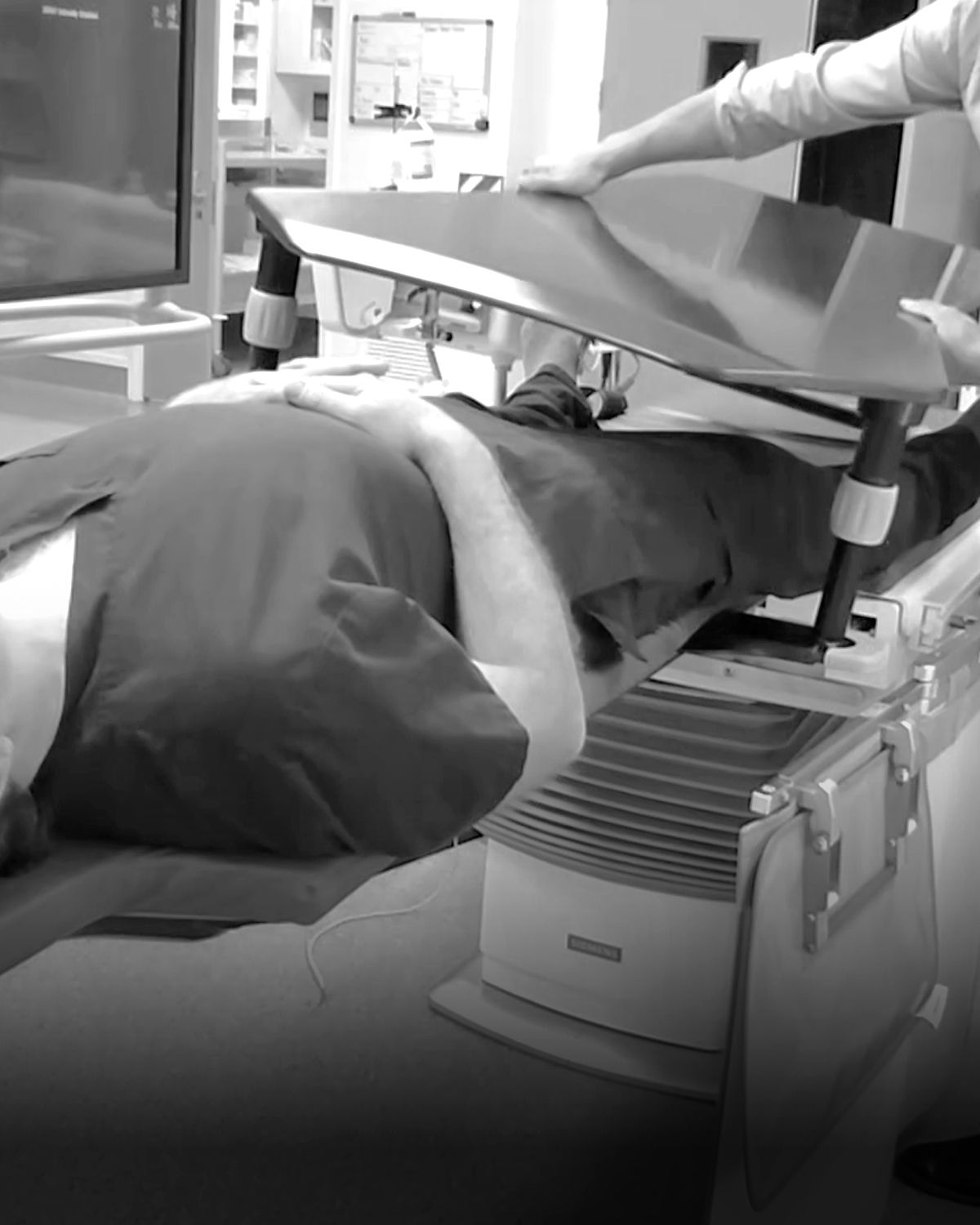
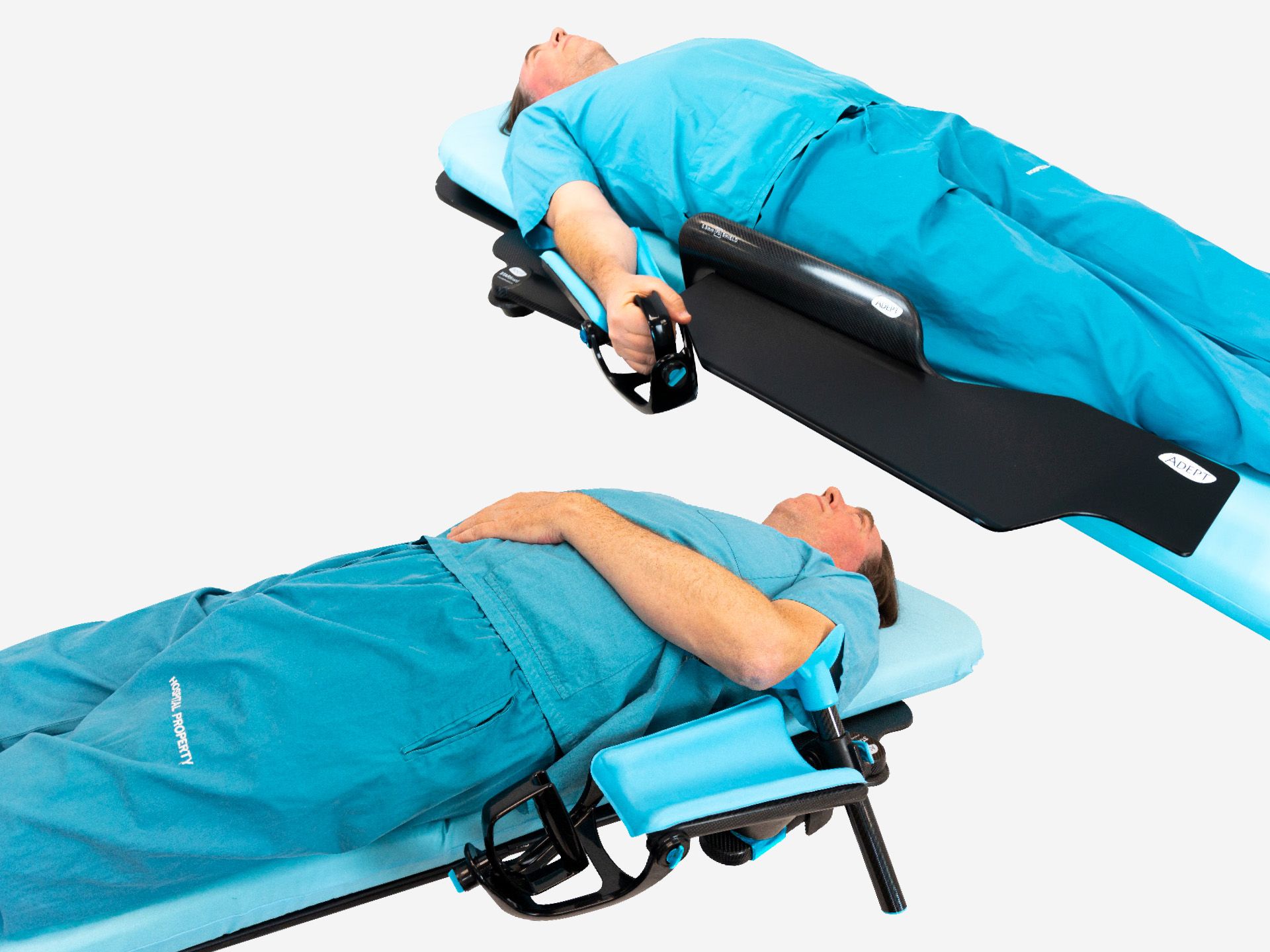
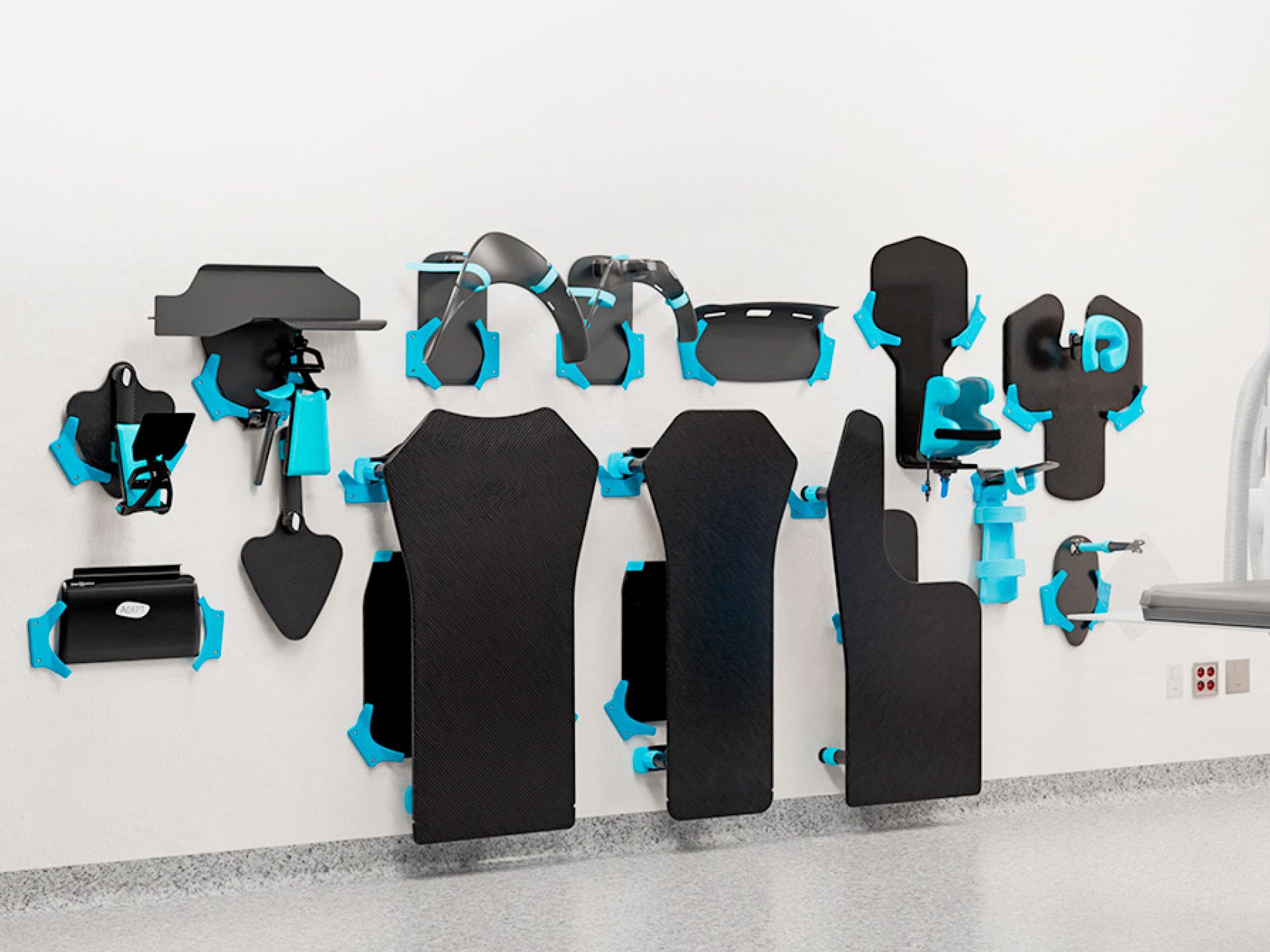
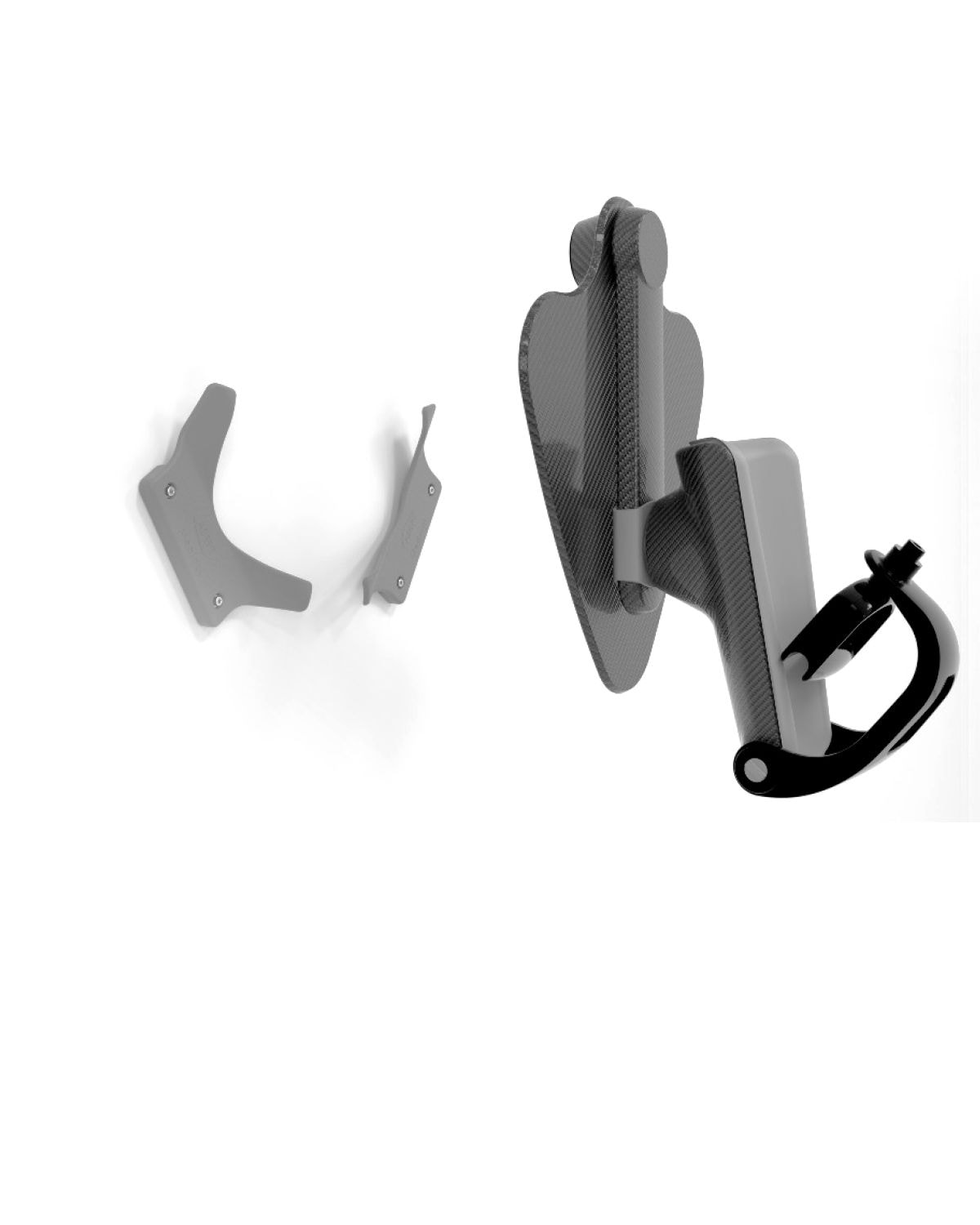
Standardised arm positioning for repeatable image acquisitionThe Adept Medical Overhead Arm Support was designed to facilitate an unobstructed view of the abdominal area during diagnosis or intervention by comfortably supporting both arms in the overhead position. Made from durable engineered plastics, it provides a radiolucent, ergonomic, and easily attachable framework that accommodates patients with limited arm flexibility while keeping clear of the imaging table camera.
By standardising the overhead position, the device improves procedural repeatability and reduces imaging variability between cases. As Marcondes & Tenorio (2021) note, optimised shoulder positioning “reduced anatomical overlap and improved visualisation,” helping streamline workflow. Pujari et al. (2023) further observed that the overhead position “allows for consistent image acquisition with fewer adjustments,” supporting both efficiency and radiation reduction.
Dr. Anna Sladkey, Doctor of Physical Therapy and a Board-Certified Paediatric Clinical Specialist explains,
“Reliable upper-extremity positioning is essential for protecting biomechanics, patient comfort, and long-term function. Proper support and alignment reduce the risk of brachial plexus injuries, which can be detrimental to a child’s fine and gross motor development. Consistent positioning also decreases post-procedural numbness or tingling and allows clinicians to position patients more efficiently with less trial-and-error. From an imaging standpoint, our interventional cardiologist reports that stable upper-extremity positioning keeps the arms safely out of the field, improving lateral projections and overall image quality.”
With growing support for overhead arm positioning across vascular, radiology, and hybrid suites, the ability to achieve stable and repeatable positioning becomes essential.
- - -
To learn more about the Overhead Arm Support range, visit adeptmedical.com.
Disclaimer: Comment/s provided with permission. The clinician received no compensation for this statement.
- - -
References
Marcondes GB, Tenorio ER. Evaluation of safety of overhead upper extremity positioning during fenestrated–branched endovascular repair of thoracoabdominal aortic aneurysms. Cardiovasc Intervent Radiol. 2021;44(12):1895–1902.
Pujari A, Ahmad M, Sweet MP, Zettervall SL. Overhead arm support reduces radiation exposure during complex endovascular aortic repair. J Vasc Surg. 2023;78(2):2261–2270.
Harrison AG, Nicholson AJ, Reilly KS. The development of a paediatric interventional cardiology arm positioning device. Technical report. University of Virginia; 2025.
Reilly KS. Children are not small adults: prioritization of paediatrics in medical device innovation. STS 4500 thesis prospectus. School of Engineering and Applied Science, University of Virginia; 2024.
Hwang TJ, et al. Postmarketing trials and paediatric device approvals. Paediatrics. 2014;133(5).