
How Overhead Arm Positioning Can Benefit More Patients (Part 2)

[June 4, 2026]
Insight continued from part 1…
The challenge of paediatric positioning
In the thesis prospectus “Children Are Not Small Adults: Prioritization of Paediatrics in Medical Device Innovation”, Reilly (University of Virginia) explored the systemic challenges that contribute to the paediatric device gap, including limited market size and financial incentives, clinical and technical hurdles, regulatory barriers, and ethical considerations. As a result, “paediatric device development lags up to 10 years behind adult devices” (Hwang et al., 2015).
Reilly also highlighted that the only commercially available overhead arm support at the time was designed for adults and did not accommodate paediatric anatomy. As noted in the thesis, “If the device does not properly fit the length and width of the patient’s arms, it can cause a brachial plexus injury.”
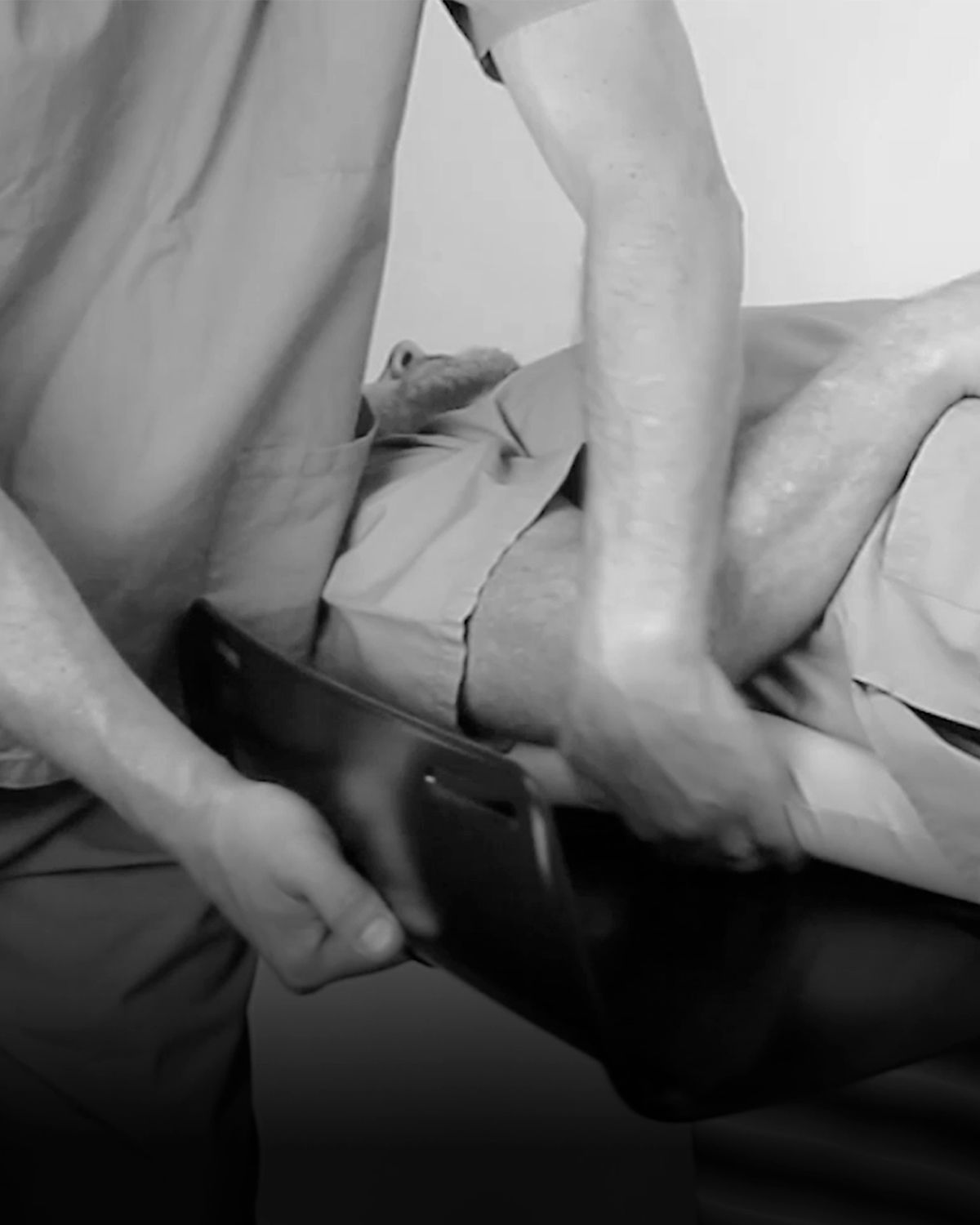
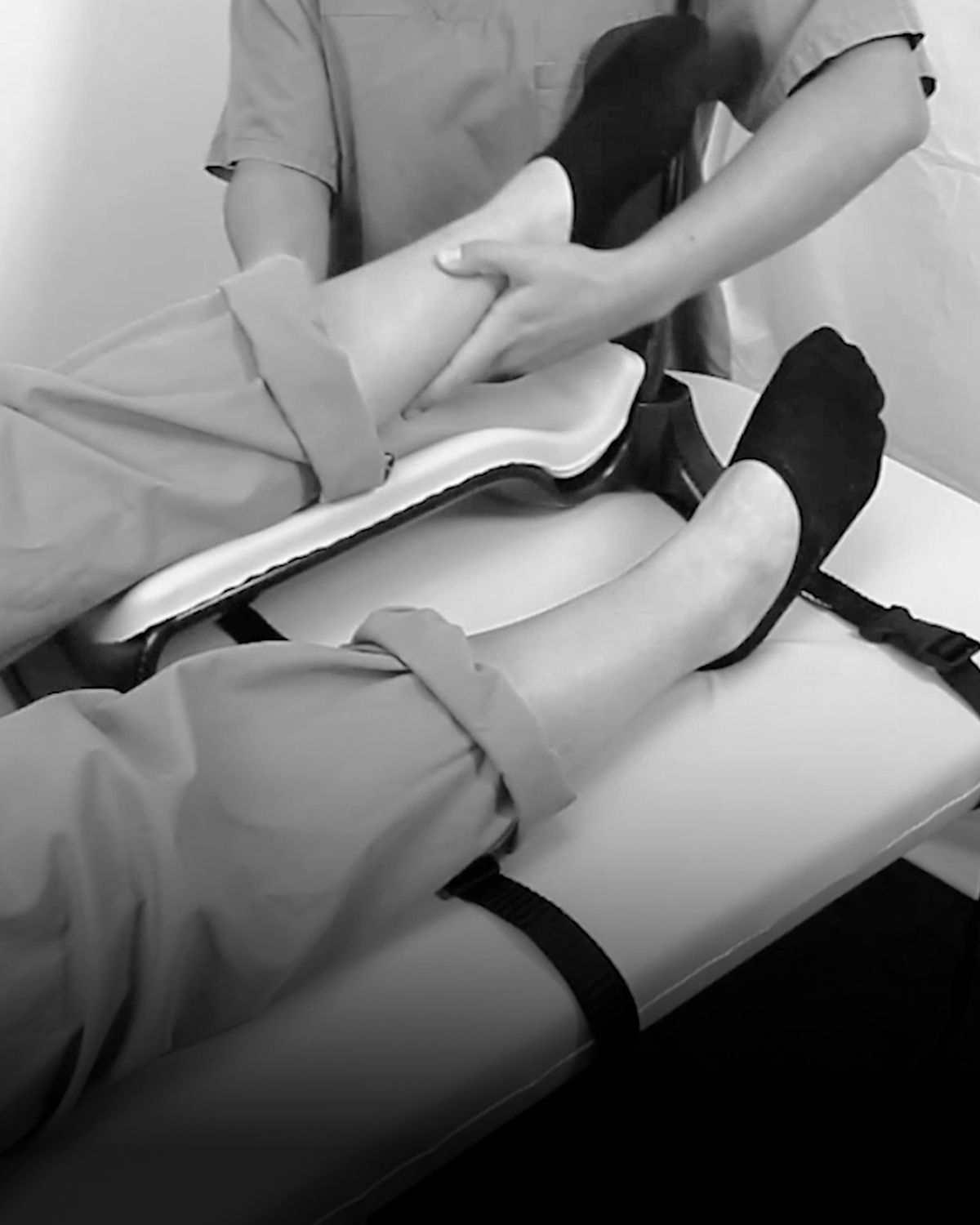
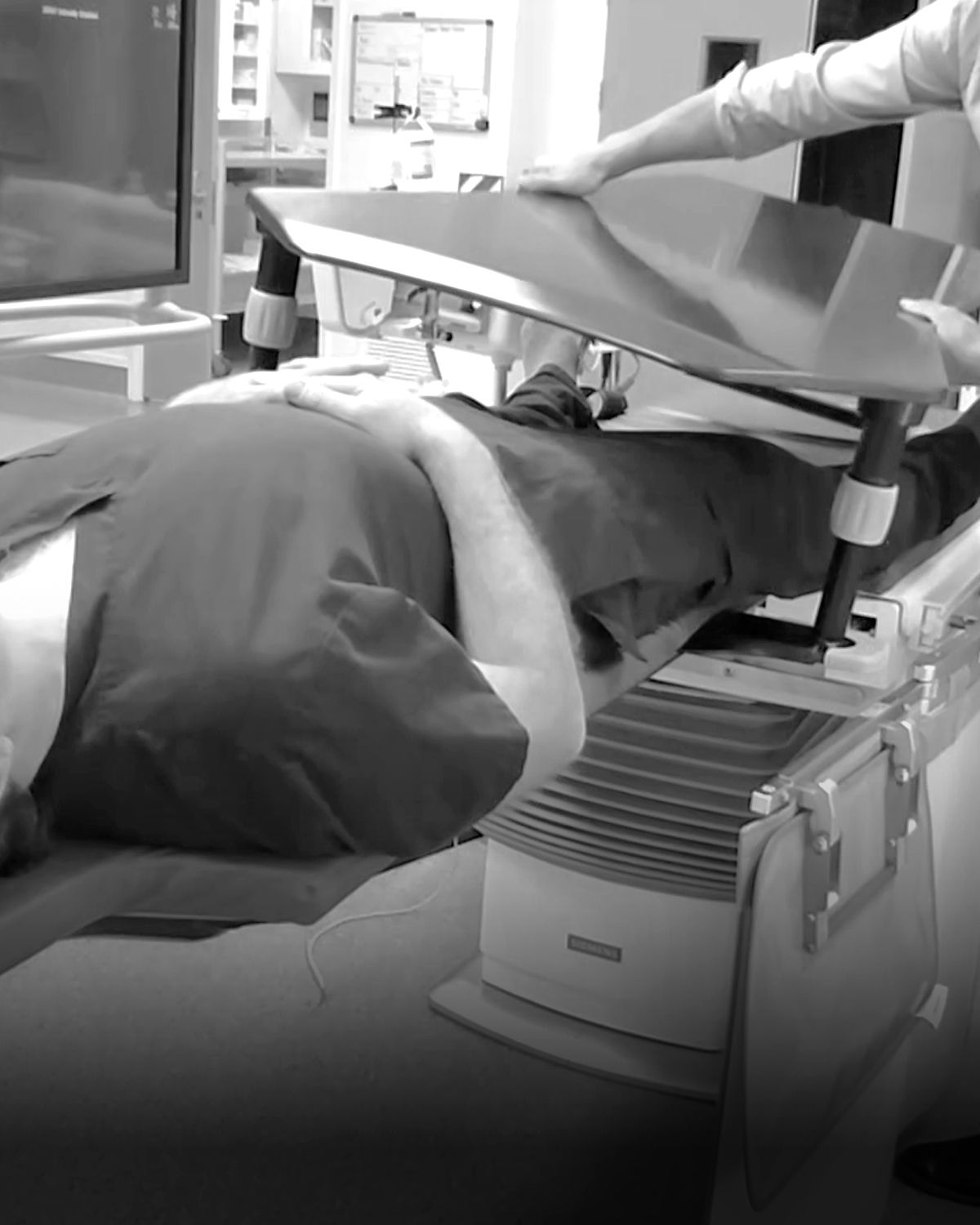
This reinforces a broader issue. Although overhead positioning is clinically advantageous, most commercial equipment has been built around adult anatomy. In paediatric cardiac catheterisation, clinicians often rely on towels, straps, or foam blocks to hold a child’s arms overhead during lateral X-rays, methods that may compromise stability, require repeated adjustment, and increase the risk of nerve strain.
As Dr. Anna Sladkey, Doctor of Physical Therapy and a Board-Certified Paediatric Clinical Specialist explains,
“A purpose-built pediatric overhead arm support addresses a real clinical gap that improvised positioning methods simply can’t fill. Towels, foam blocks, and straps are inherently inconsistent and often require repeated adjustments, which affects both positioning quality and workflow efficiency. A dedicated device provides more stable, reproducible positioning and makes repositioning faster and more reliable—so it actually happens when it’s needed. This reflects the clinical reality beyond research, where time constraints, variability, and safety risks are part of everyday pediatric care. From an interdisciplinary standpoint, this consistency matters. Our interventional cardiologist is reassured knowing the child’s risk of injury is reduced, particularly to vulnerable structures like the brachial plexus. Purpose-built, pediatric-specific design—including appropriate sizing—supports safer procedures, smoother workflows, and better alignment with how pediatric care is truly delivered.”
Dr. Sladkey’s perspective alongside these findings emphasise that dedicated paediatric positioning solutions are necessary to safely extend proven overhead arm positioning techniques to smaller patients.
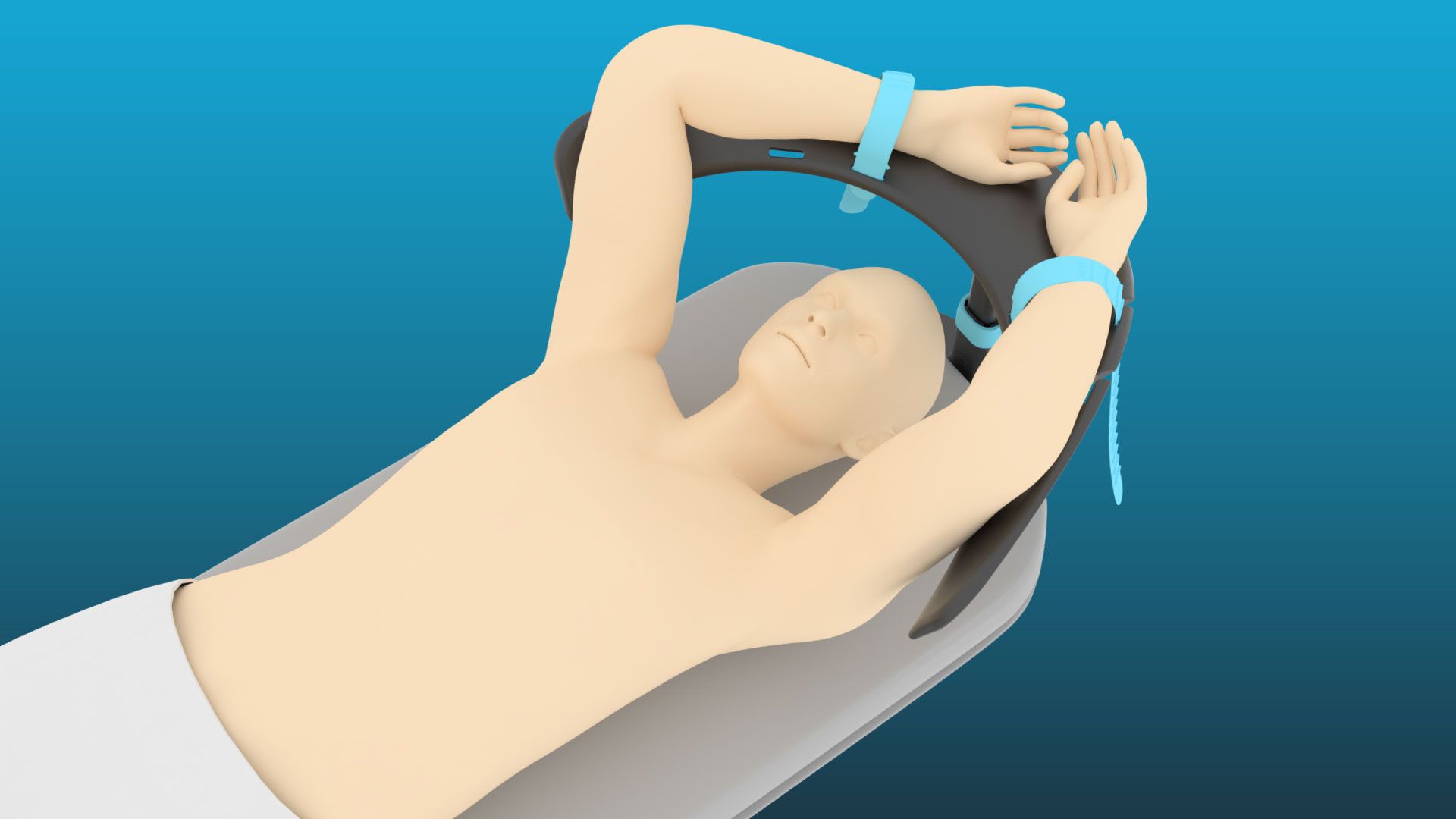
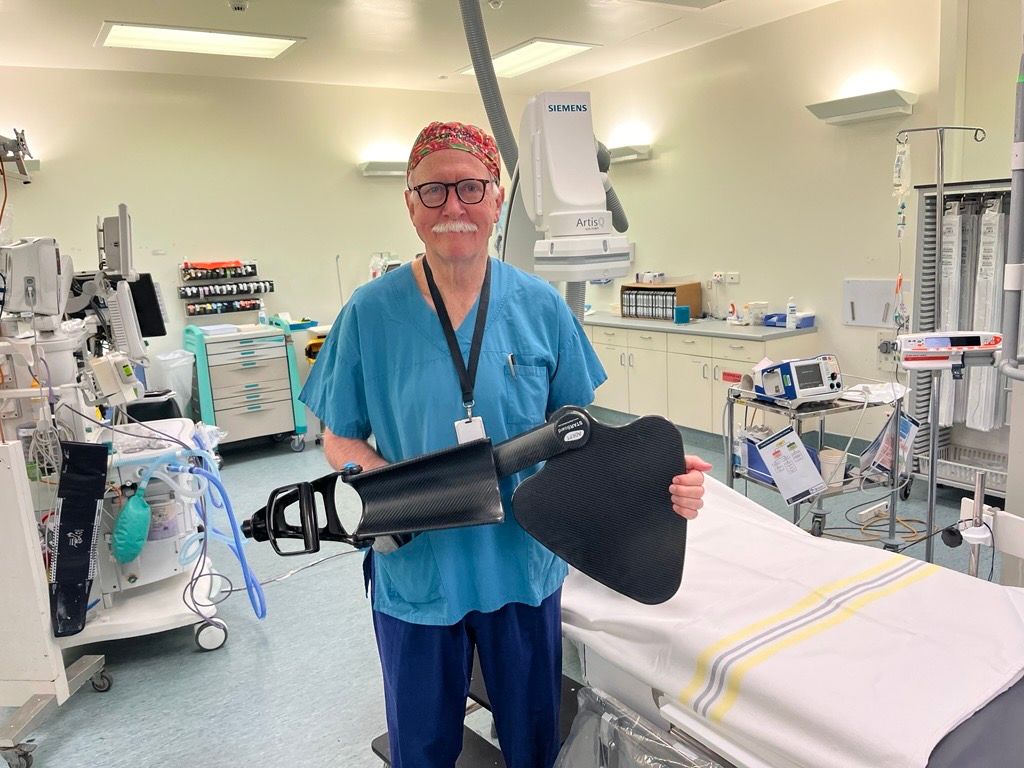
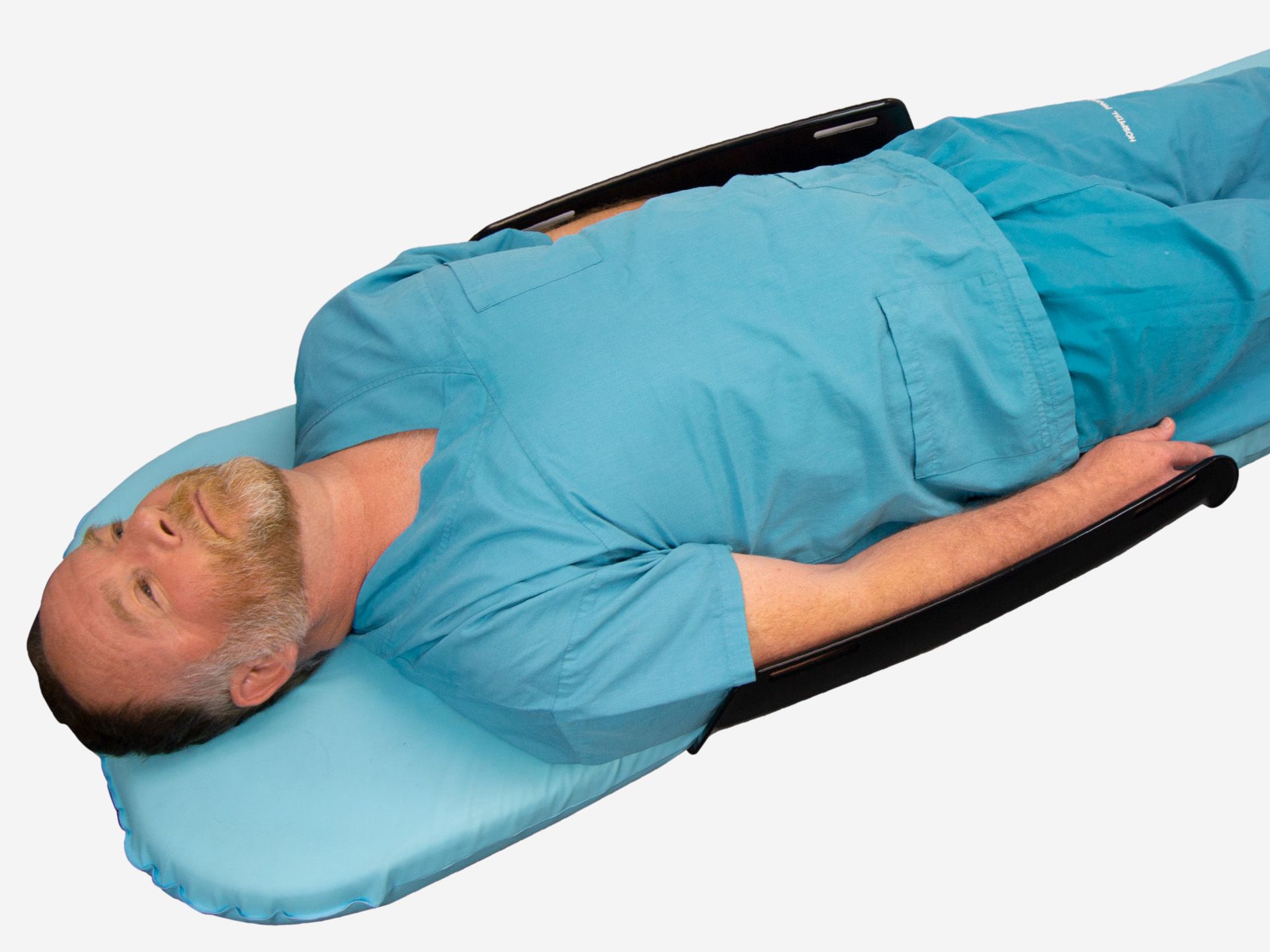
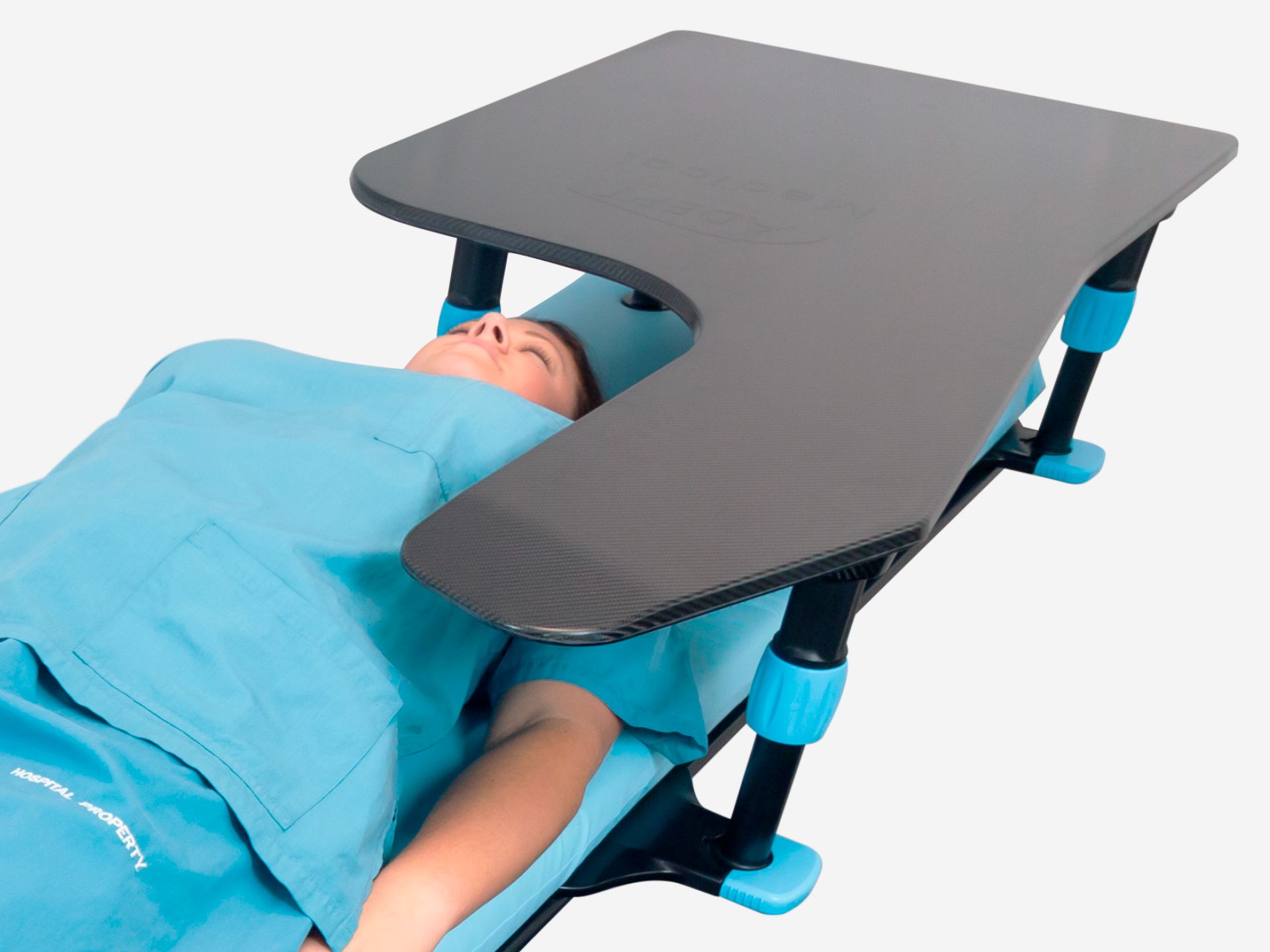
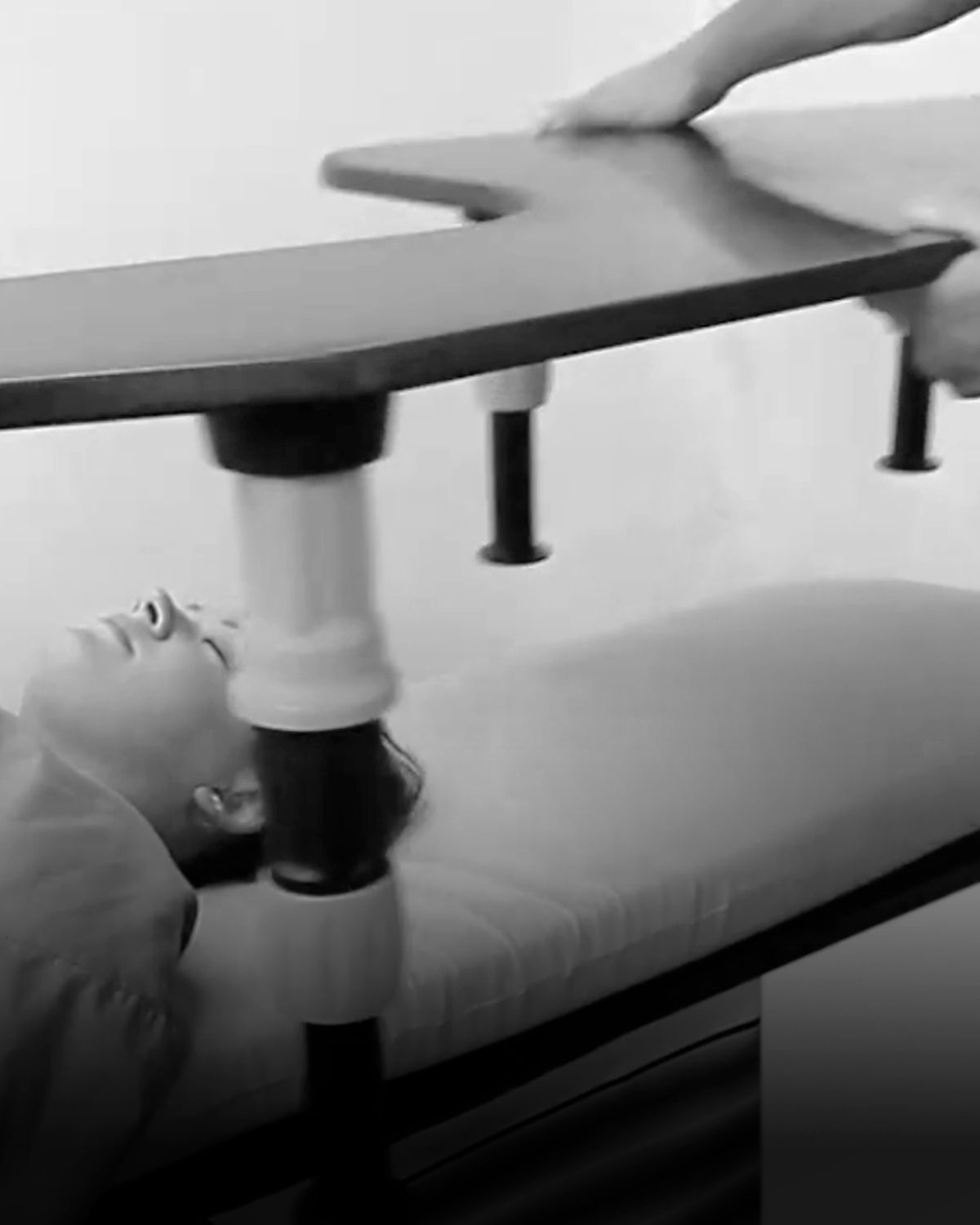
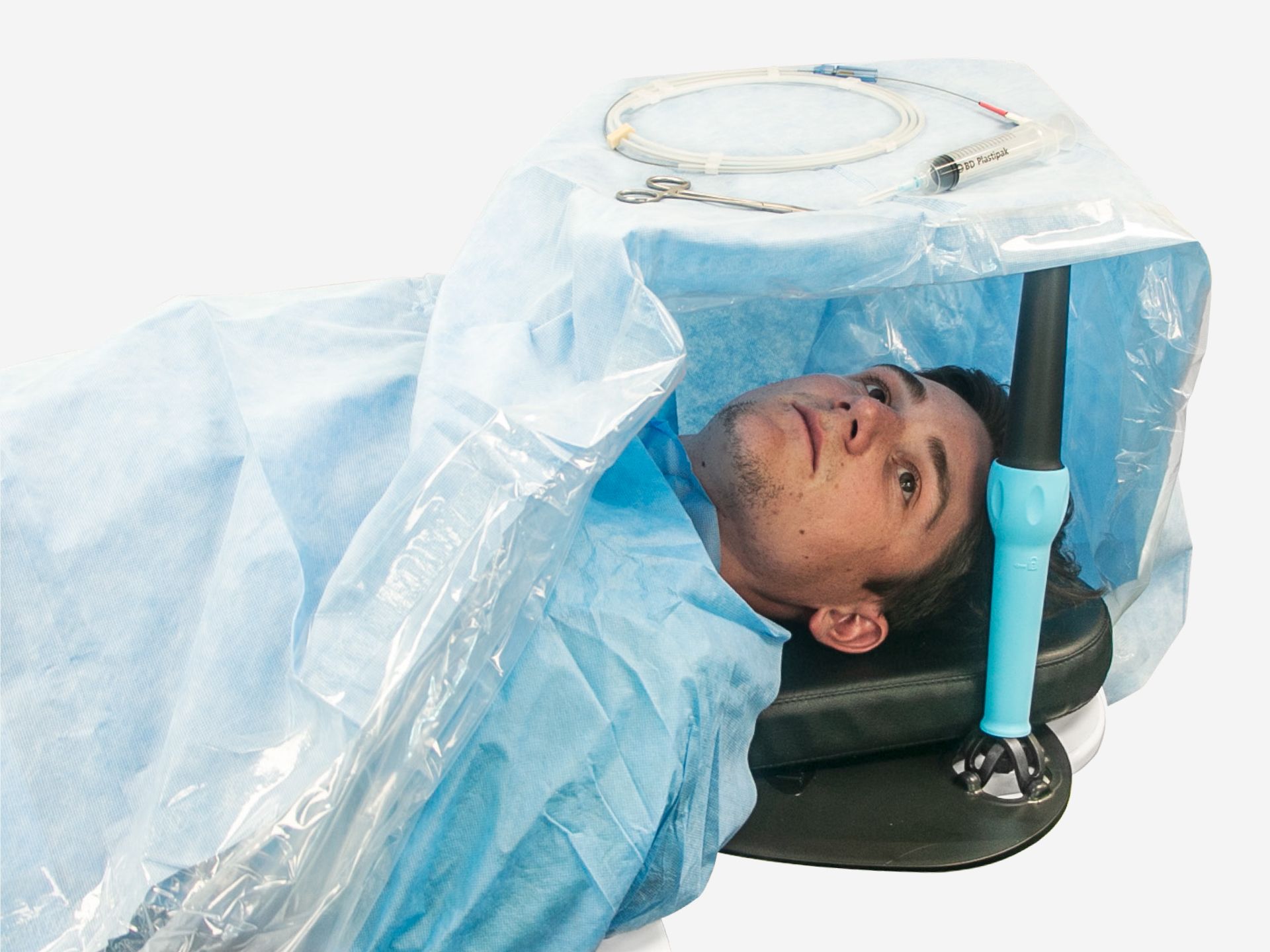
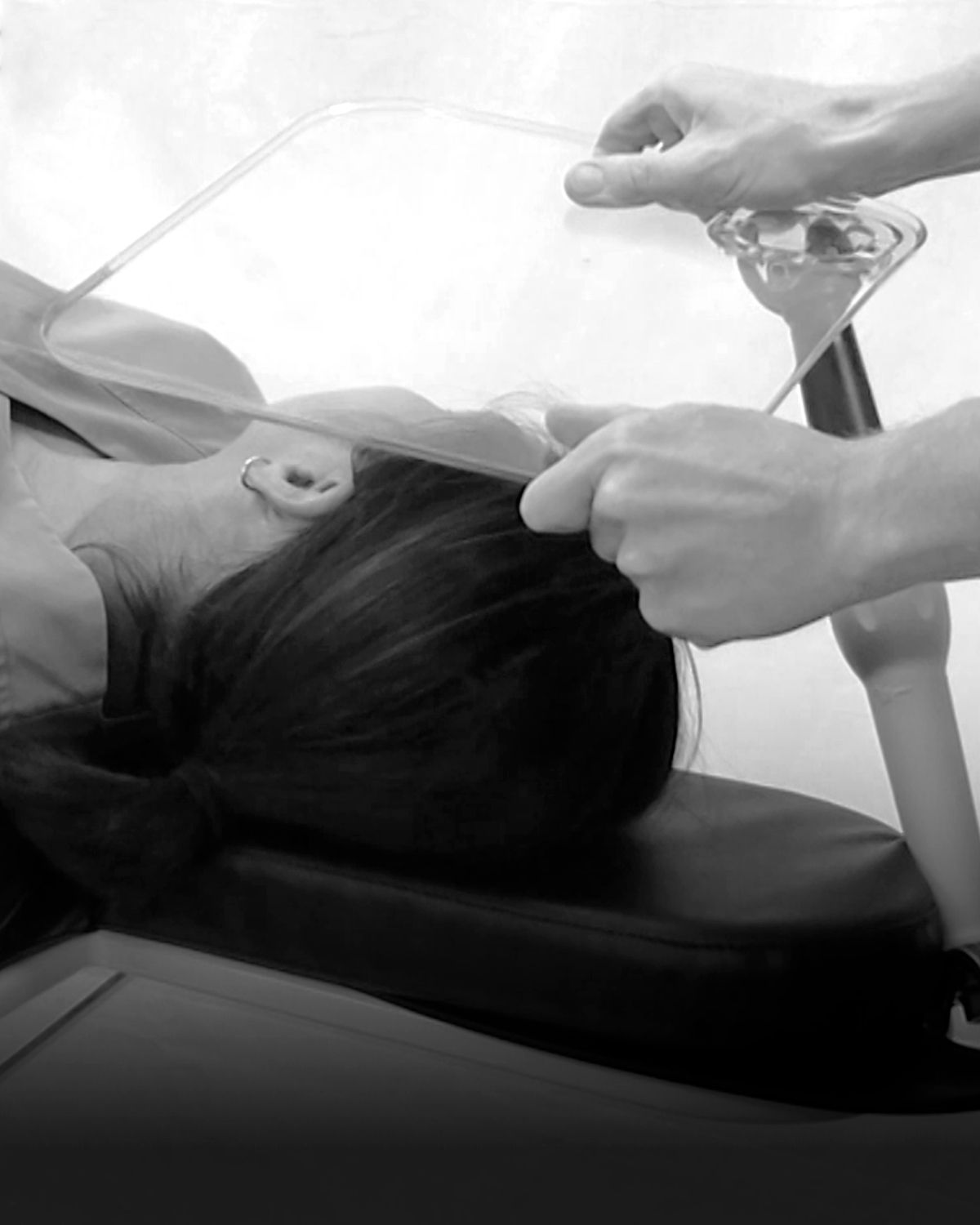
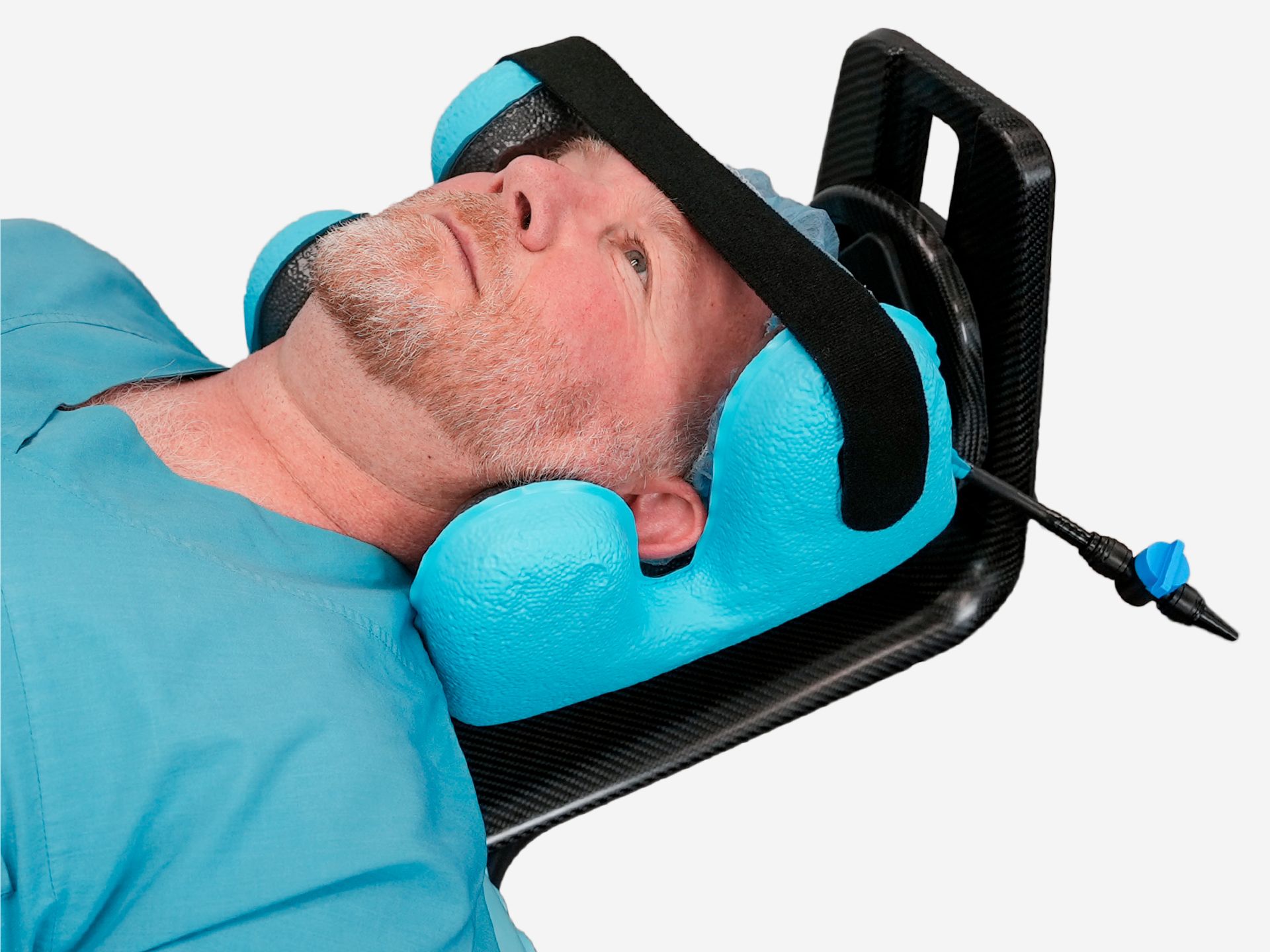
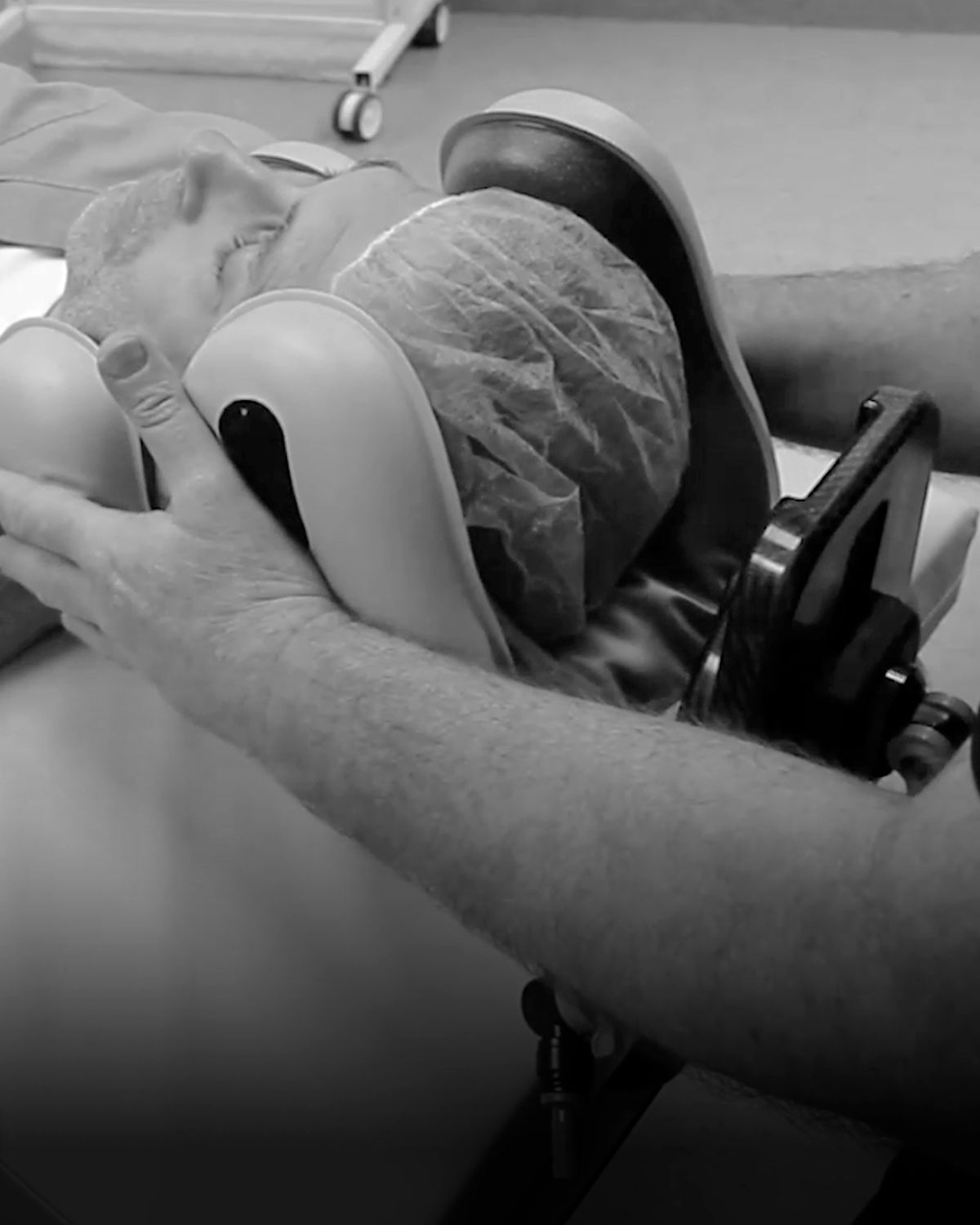
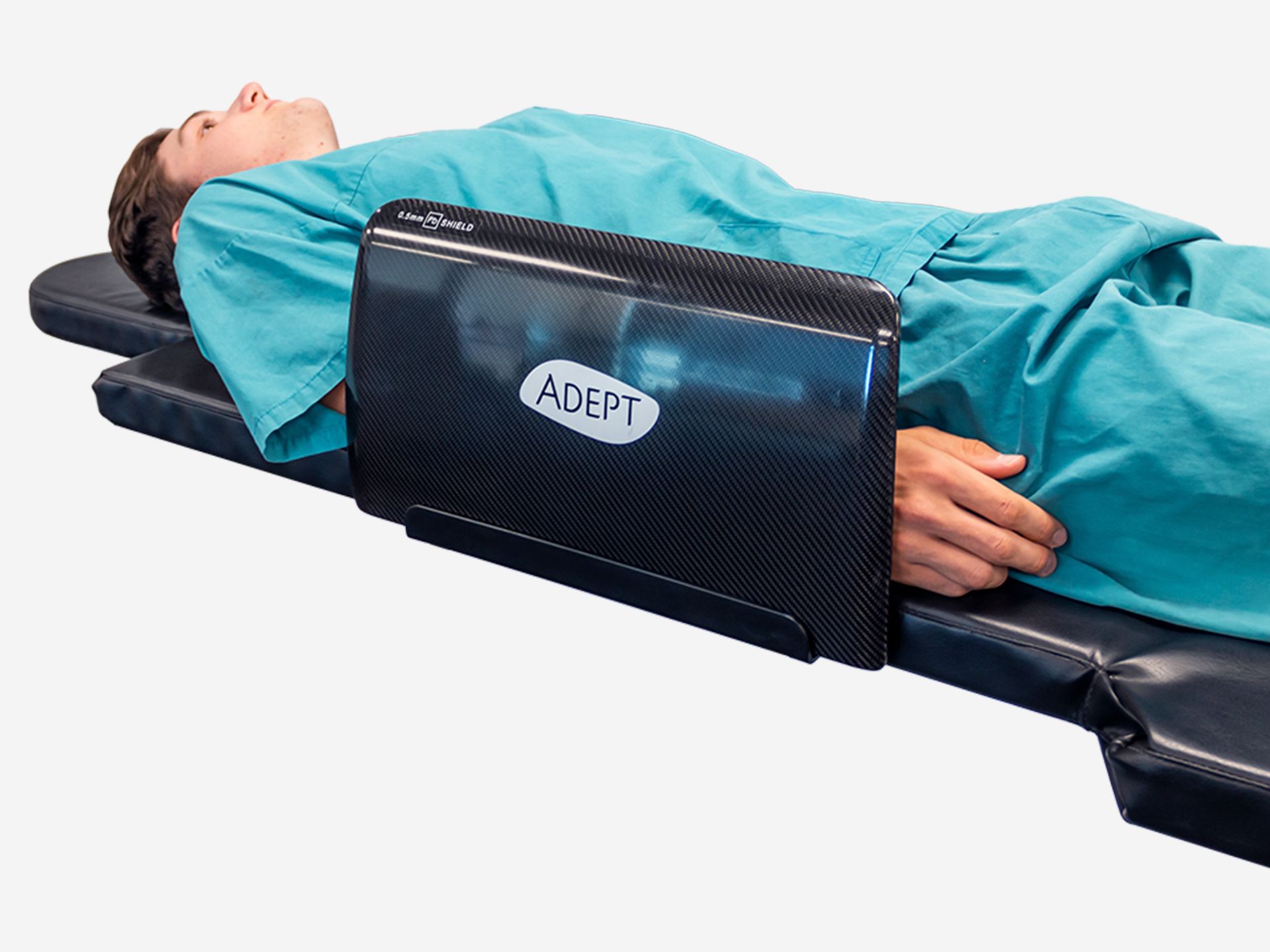
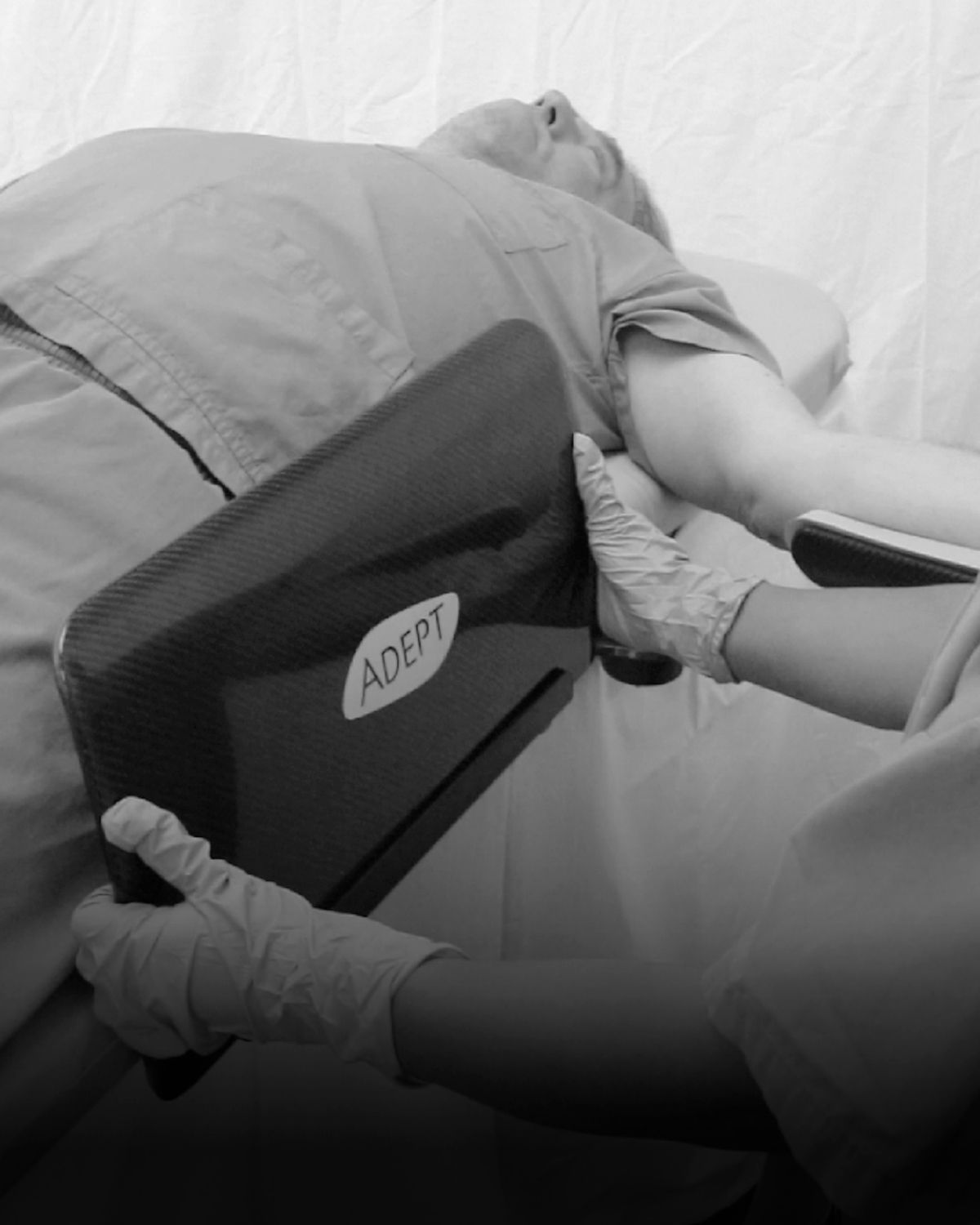
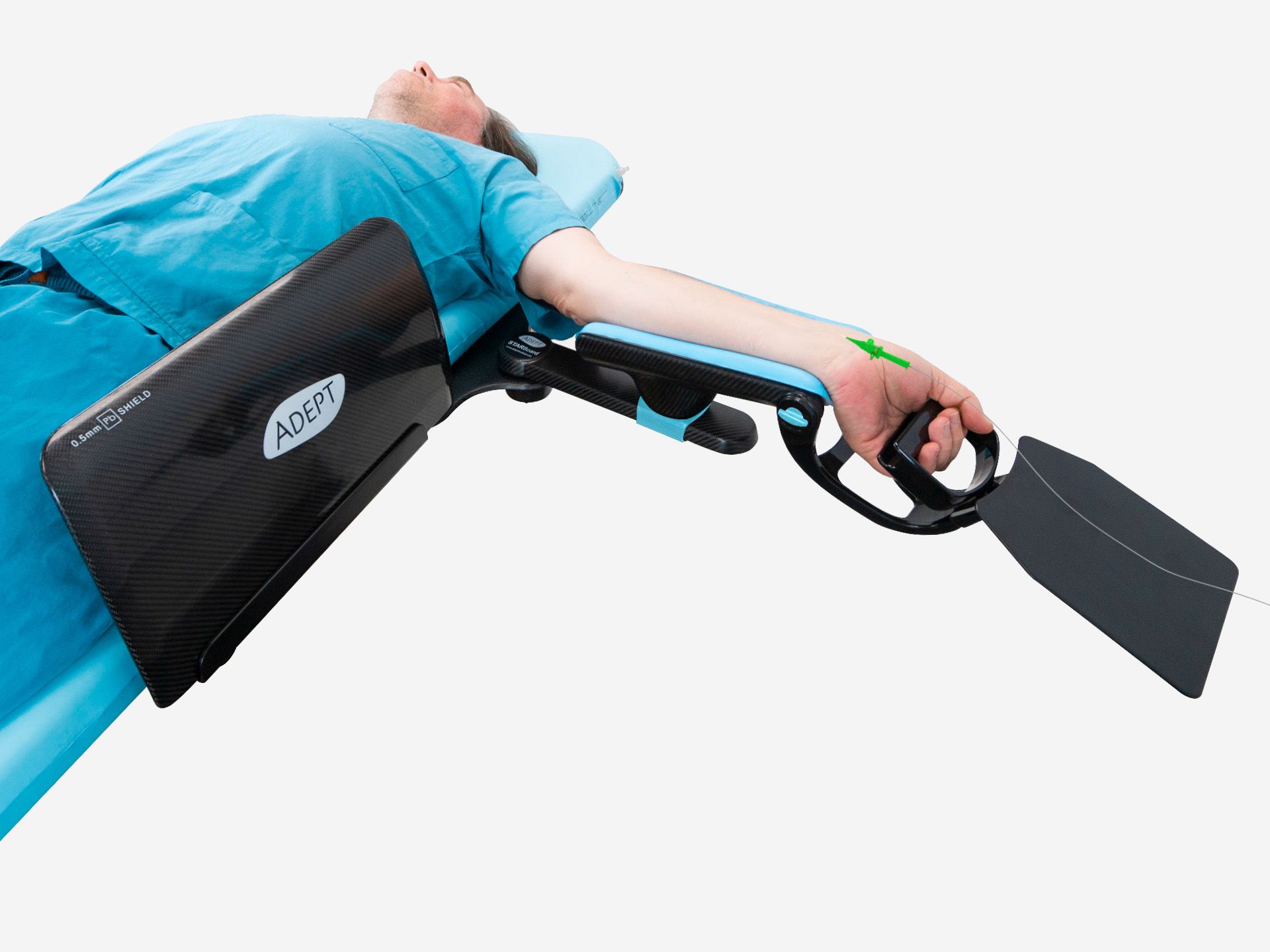
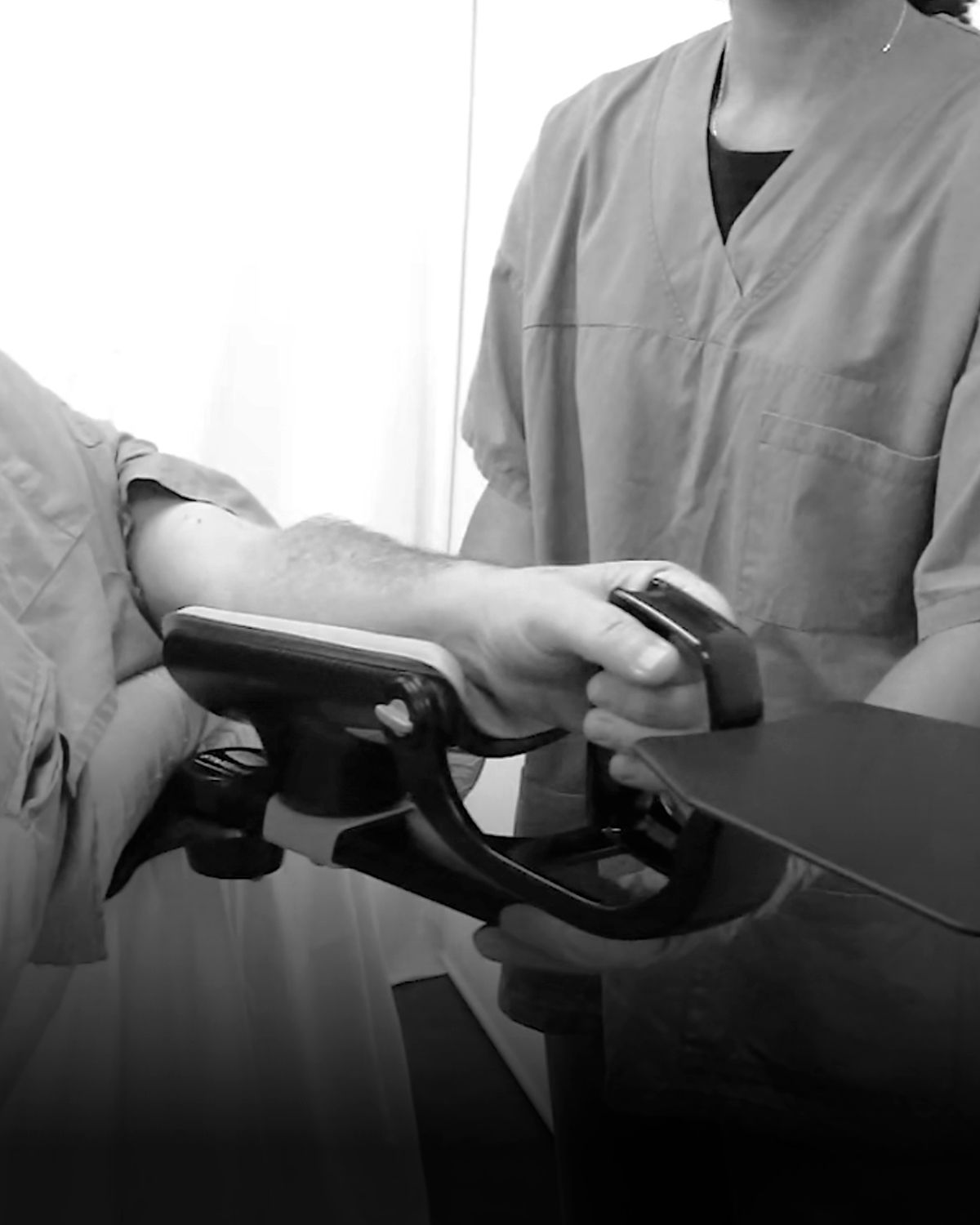
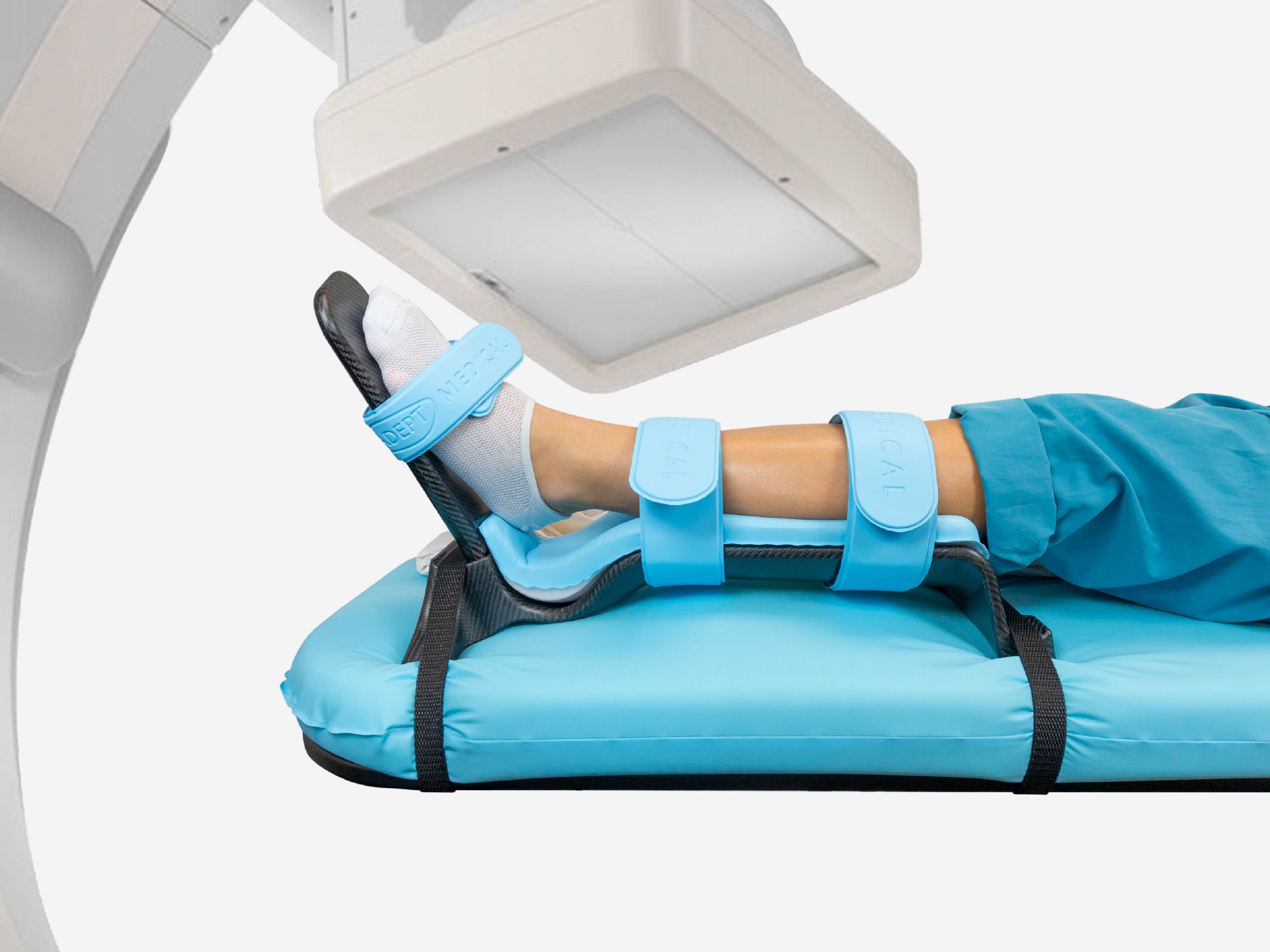
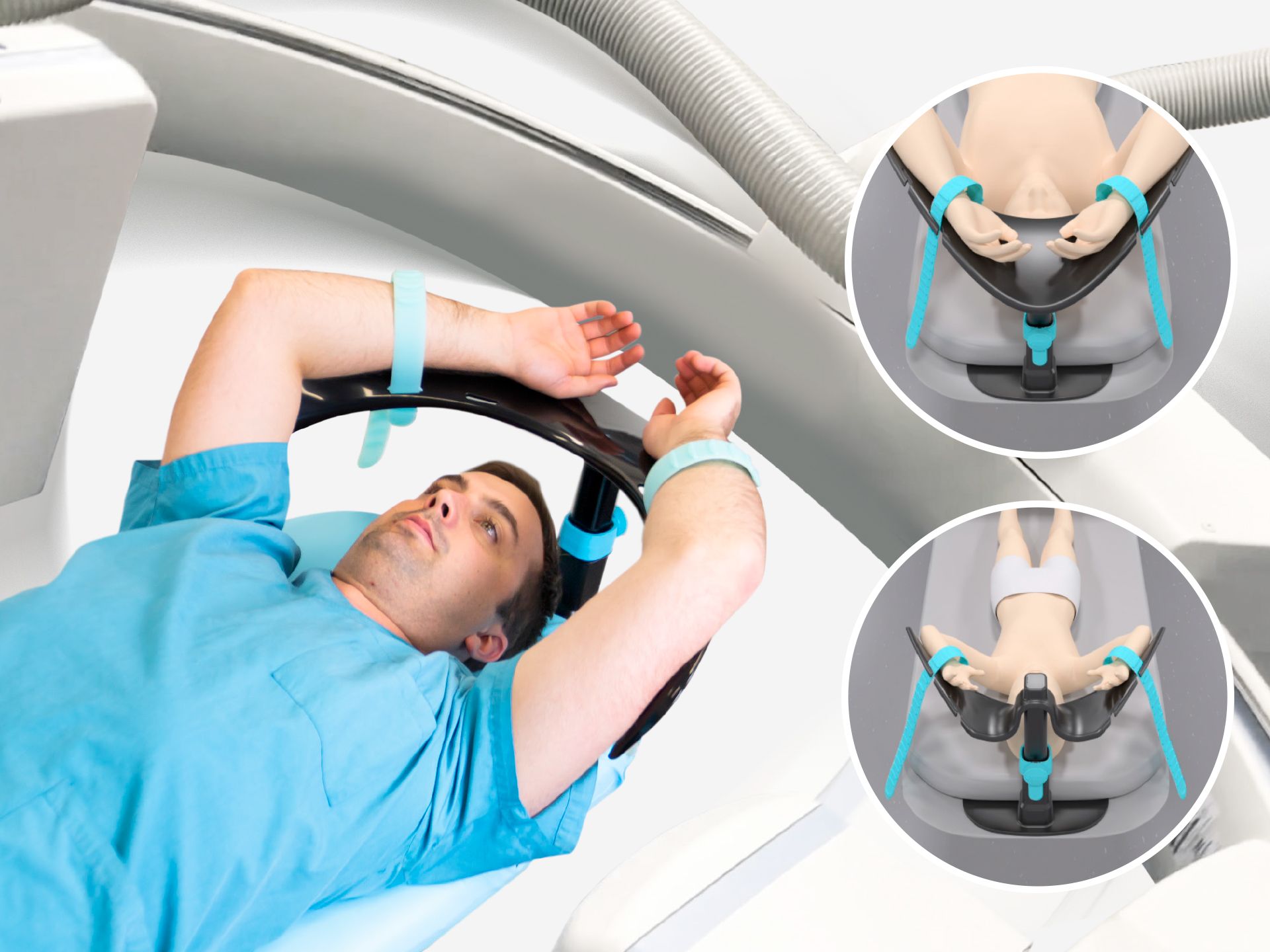
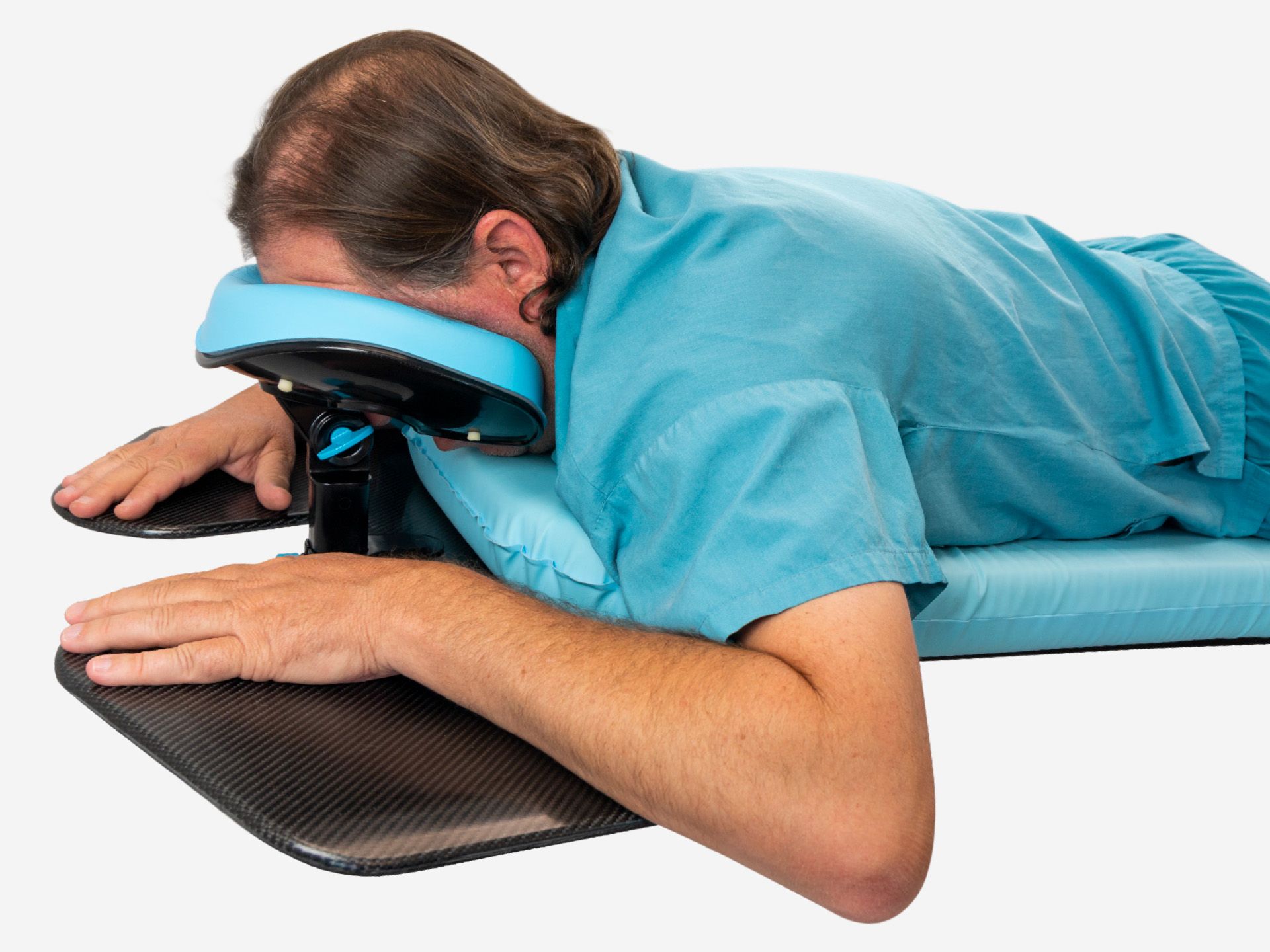
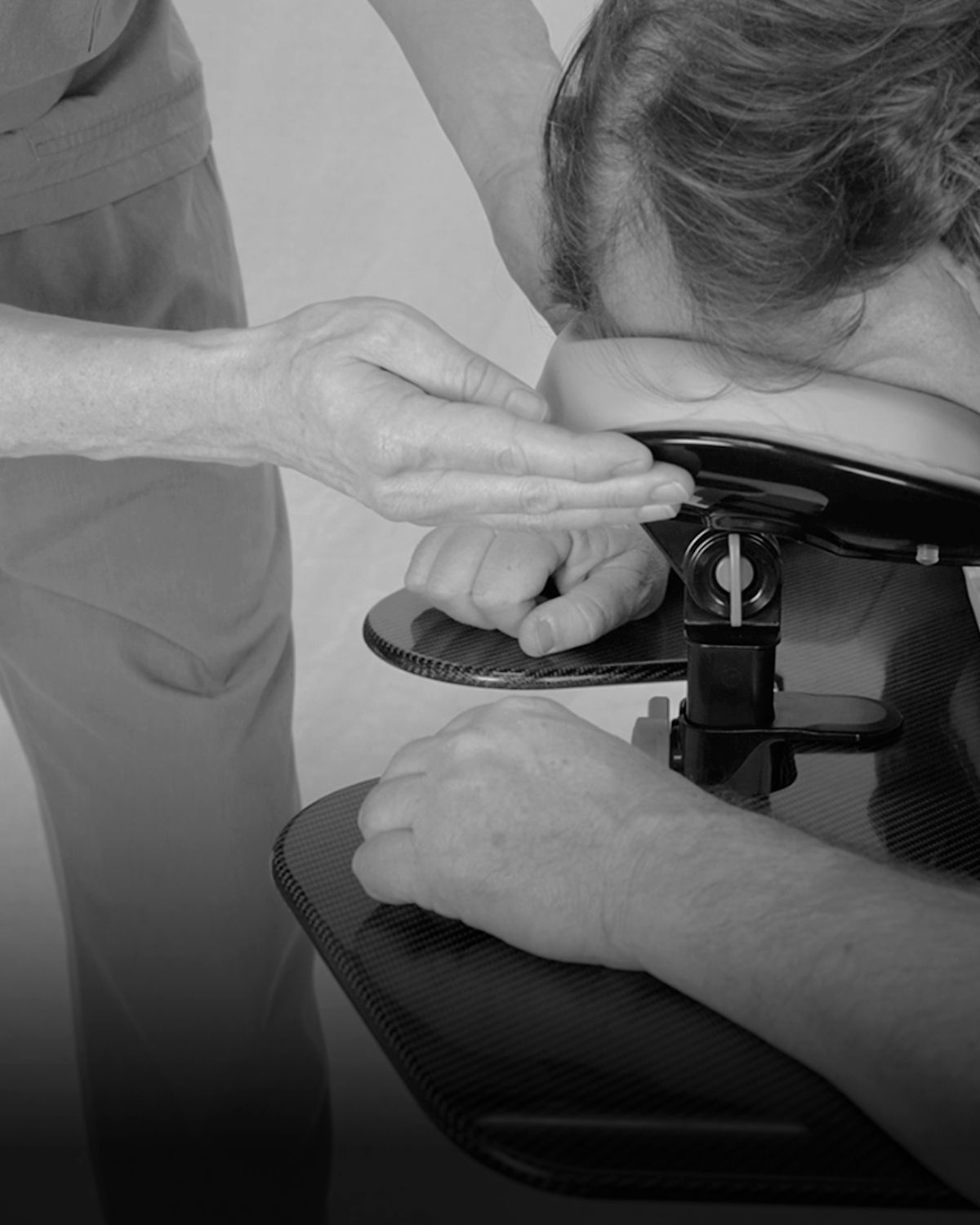
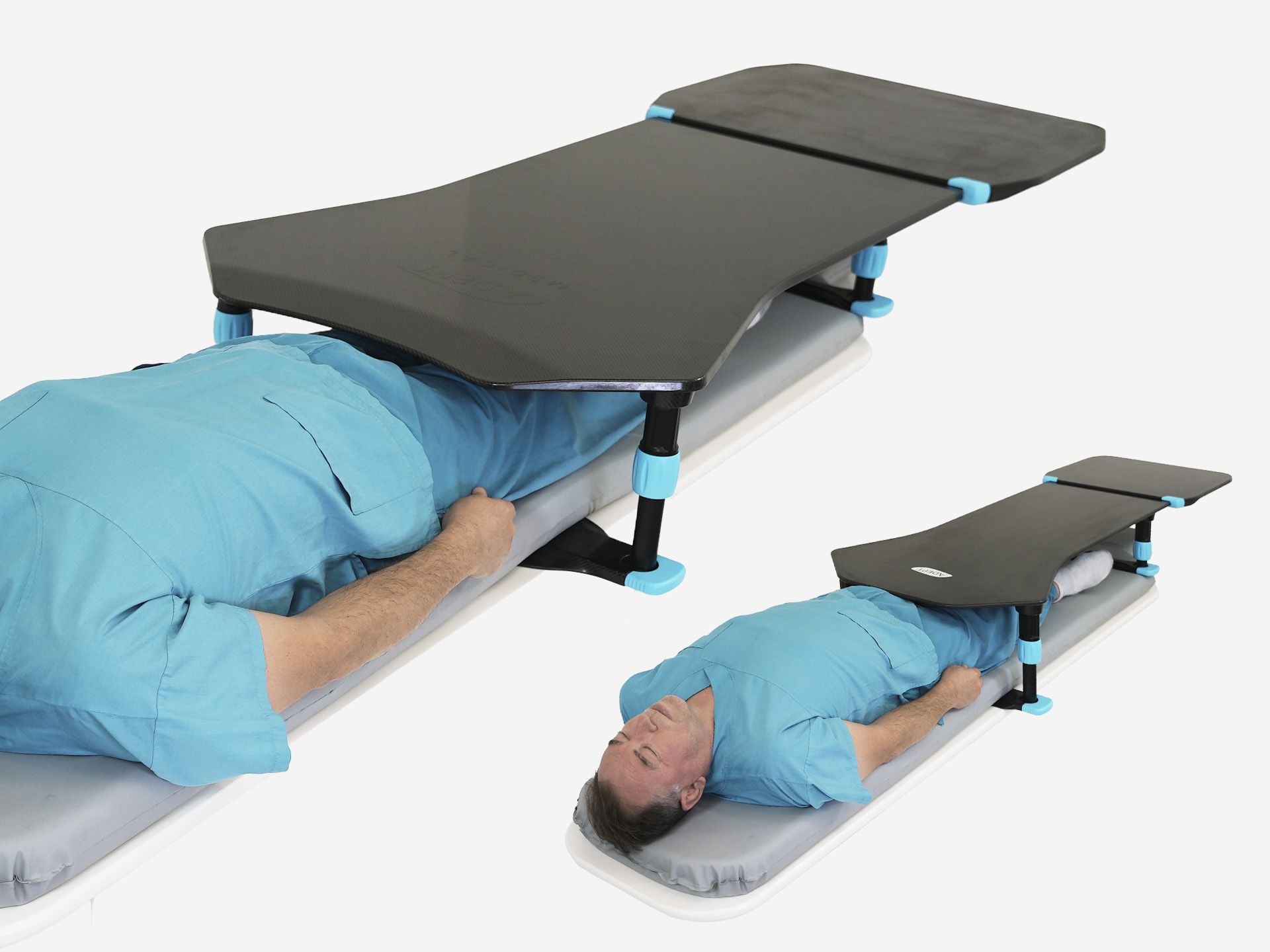
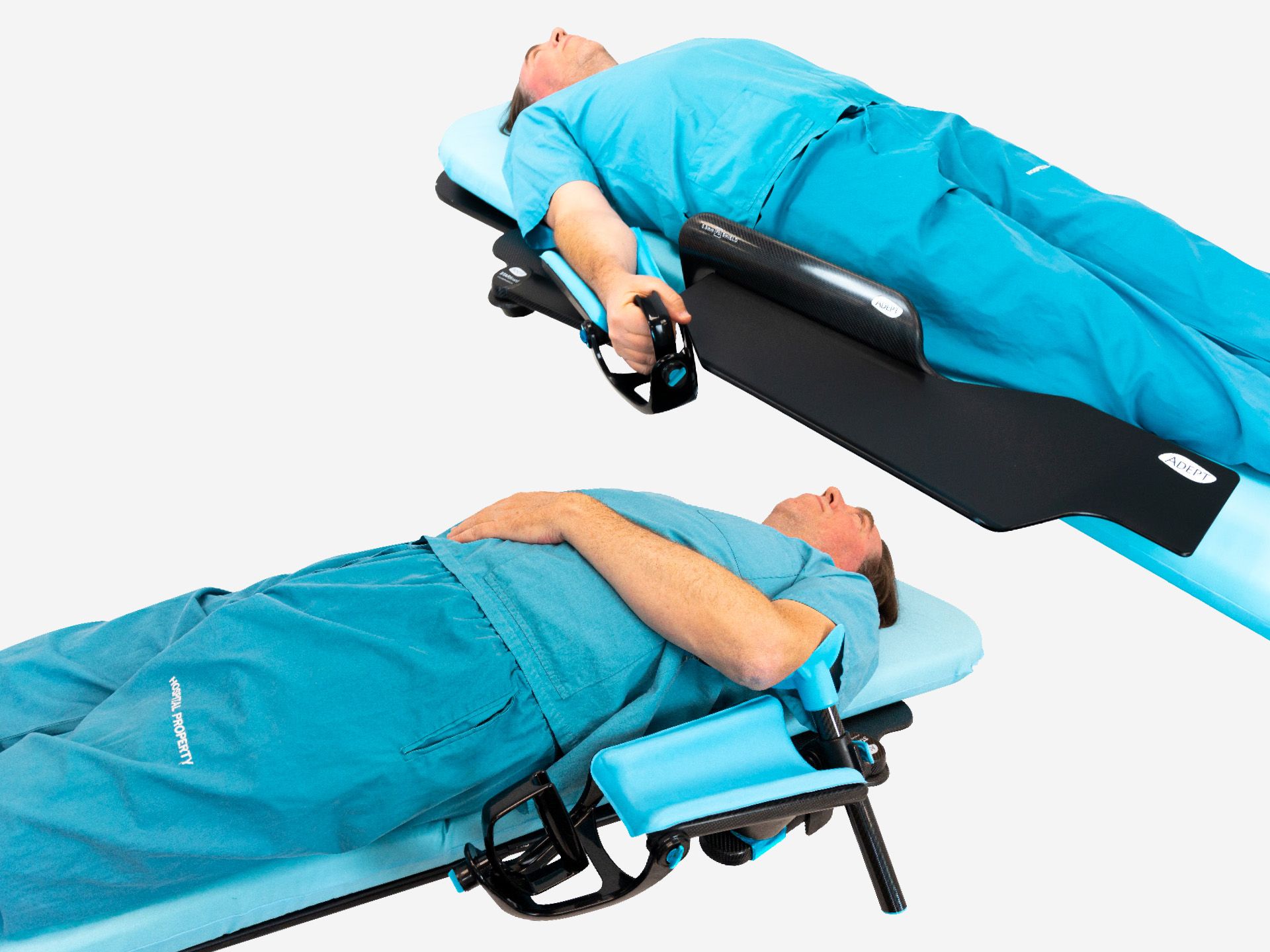
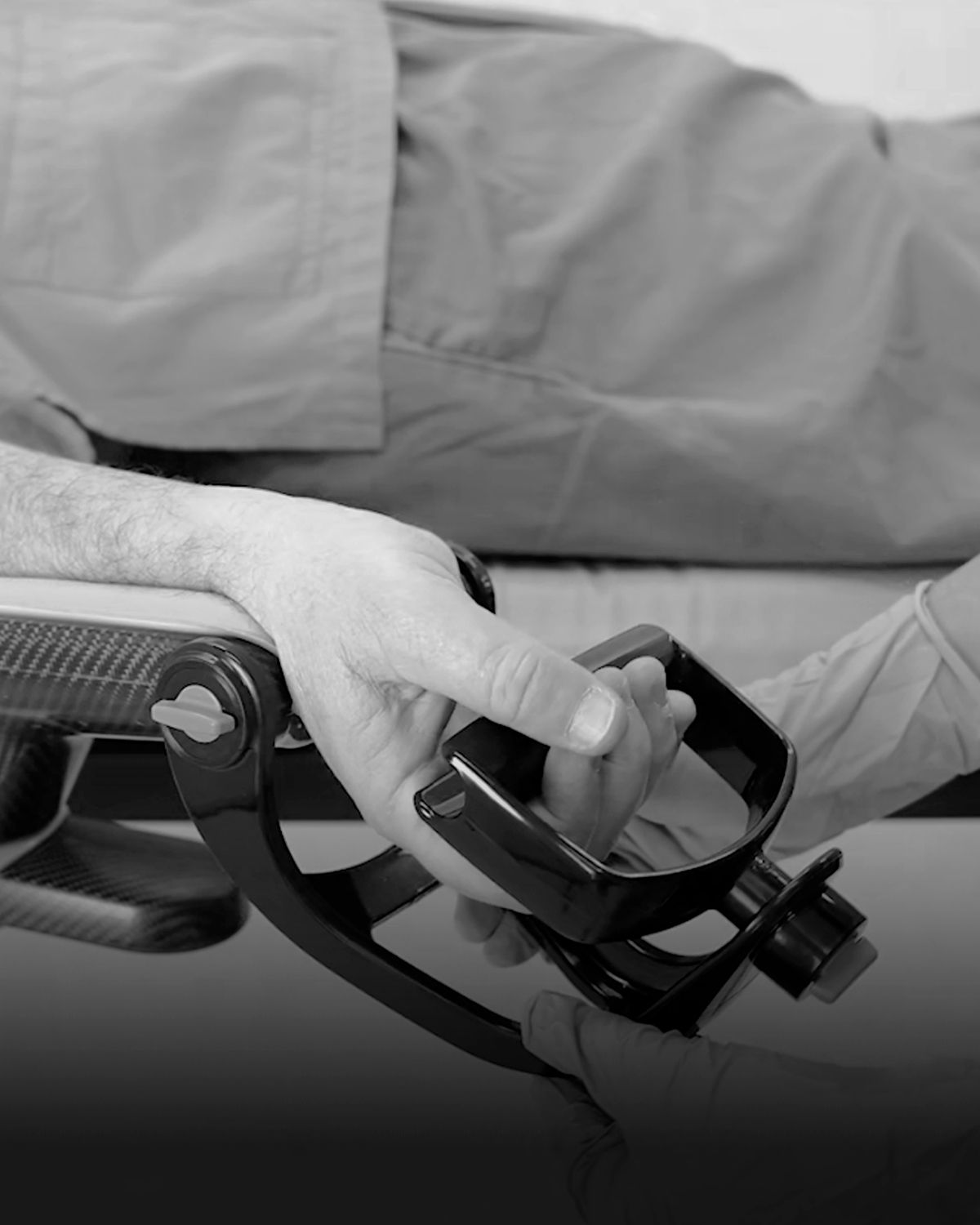
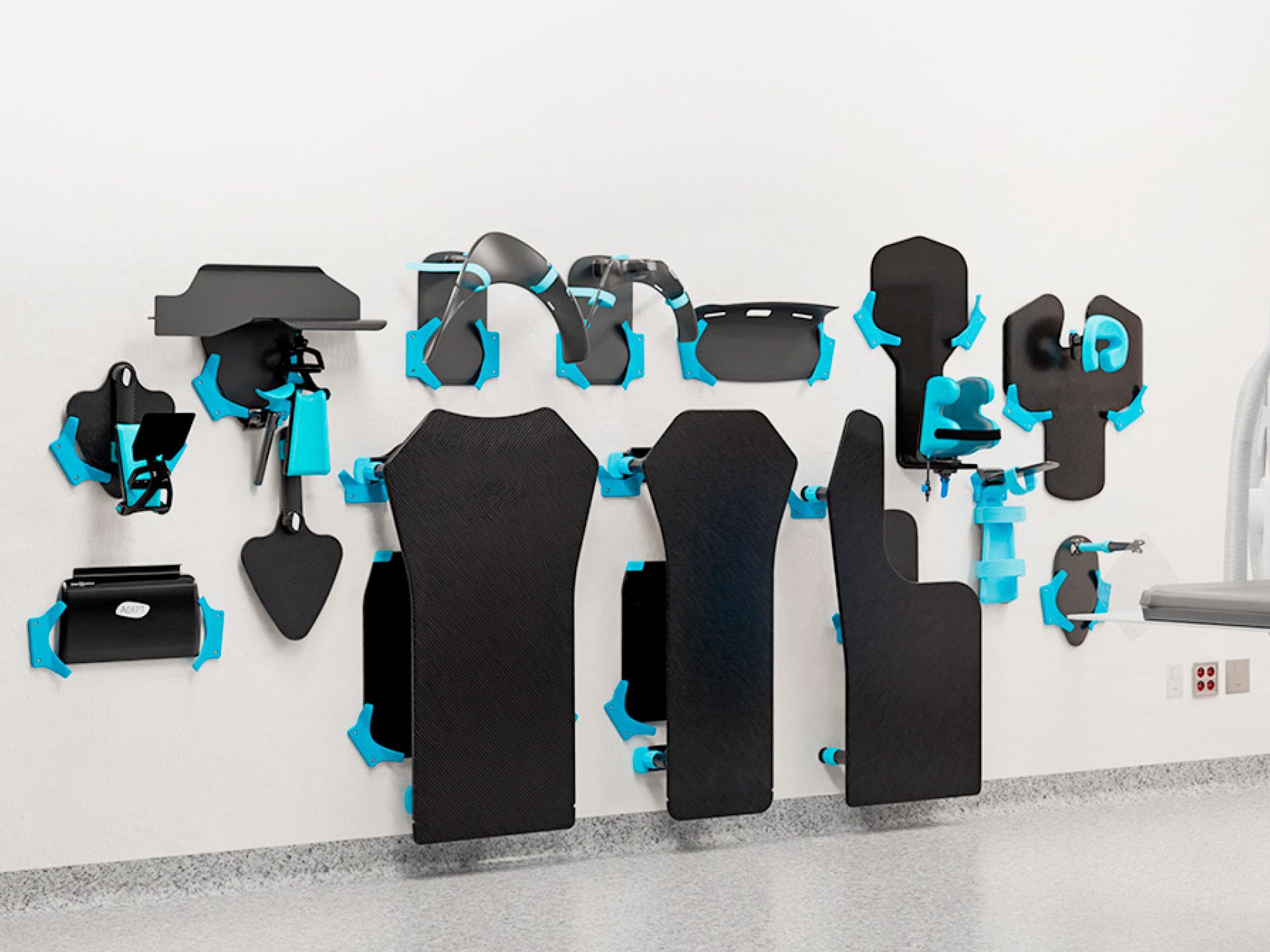
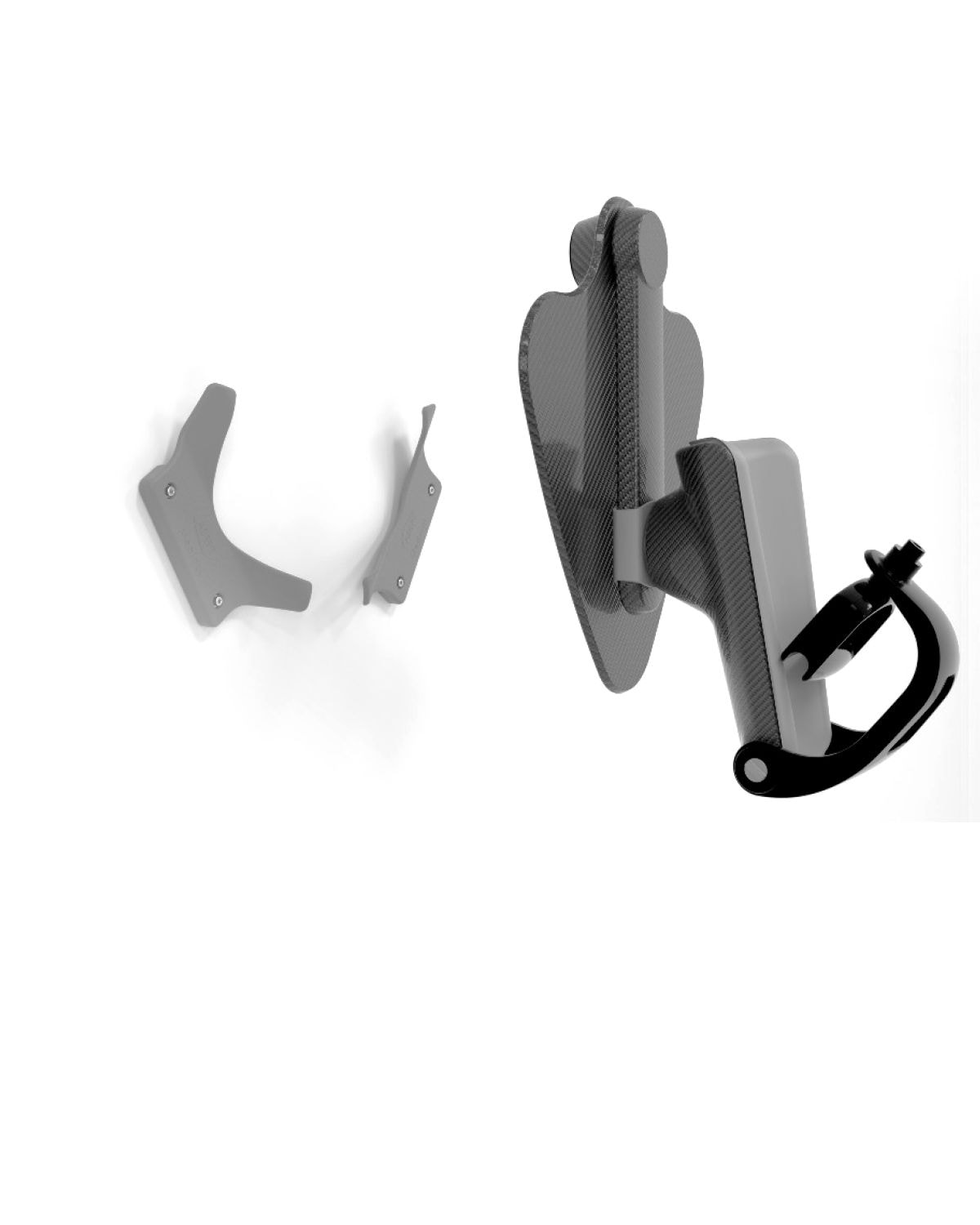
Extending the benefits to smaller patientsBuilding on clinical evidence and insights from practice, Adept Medical developed the Overhead Arm Support – Small, designed specifically for paediatric and small adult patients. The device retains the radiolucent materials, ergonomic design, and secure overhead positioning of the adult model, but in a configuration tailored for smaller anatomy. It is suitable for patients weighing between 13 kg and 47 kg and addresses the practical engineering and anatomical challenges associated with positioning smaller patients. This represents an important step forward in supporting paediatric interventional care, allowing evidence-based positioning to be consistently applied across a wider range of patient sizes.
Consistency across all patient sizesClinical evidence shows that overhead arm positioning can reduce radiation exposure by around 30 percent and improve visualisation during F/BEVAR procedures, as seen in Pujari et al. (2023). This research underscores the value of overhead positioning in improving imaging access while minimising unnecessary exposure during complex interventions.
Standardising this position provides additional benefits such as greater procedural control, reduced repositioning, and more consistent imaging across long cases. Marcondes & Tenorio (2021) demonstrated that optimised shoulder positioning “reduced anatomical overlap,” contributing to smoother workflow.
Yet paediatric and small adult patients have historically lacked access to purpose-built positioning equipment. The Overhead Arm Support range helps close this gap by extending controlled, repeatable overhead positioning to the patients who need it most.
Conclusion“Children are not simply small adults - their bodies are growing, adapting, and developing over time. As medical advances allow more children with chronic conditions to live longer, we have a responsibility to design pediatric-specific equipment that considers not just today’s procedure, but lifelong function and well-being. When devices are built for pediatric needs, they support safer care, more sustainable workflows for clinicians, and better outcomes for the children we serve - now and into the future,” Dr. Sladkey
Grounded in our understanding of clinical needs and a commitment to solving real procedural challenges, the Overhead Arm Support – Small helps bridge the gap in paediatric device design, promoting stable, reproducible positioning that supports efficient and effective workflows. This reflects Adept Medical’s broader role as an evidence-led engineering company dedicated to developing meaningful devices that support both patients and clinicians.
- - -
To learn more about the Overhead Arm Support range, visit adeptmedical.com.
Disclaimer: Comment/s provided with permission. The clinician received no compensation for this statement.
- - -
References
Marcondes GB, Tenorio ER. Evaluation of safety of overhead upper extremity positioning during fenestrated–branched endovascular repair of thoracoabdominal aortic aneurysms. Cardiovasc Intervent Radiol. 2021;44(12):1895–1902.
Pujari A, Ahmad M, Sweet MP, Zettervall SL. Overhead arm support reduces radiation exposure during complex endovascular aortic repair. J Vasc Surg. 2023;78(2):2261–2270.
Harrison AG, Nicholson AJ, Reilly KS. The development of a paediatric interventional cardiology arm positioning device. Technical report. University of Virginia; 2025.
Reilly KS. Children are not small adults: prioritization of paediatrics in medical device innovation. STS 4500 thesis prospectus. School of Engineering and Applied Science, University of Virginia; 2024.
Hwang TJ, et al. Postmarketing trials and paediatric device approvals. Paediatrics. 2014;133(5).